Sleep & Circadian Health Biomarkers
Sleep biomarkers assess sleep duration, sleep stages, restlessness, and nighttime physiological recovery recorded by health wearables. Measuring REM sleep, deep sleep, and nighttime resting heart rate dips provides actionable feedback on how well your nervous system recharges overnight. Members monitor sleep trends to evaluate how evening light, late meals, and wind-down routines affect restorative sleep.
Tracked Biomarkers (8)
Sleep stages, nightly biometrics, and member recovery comparisons.
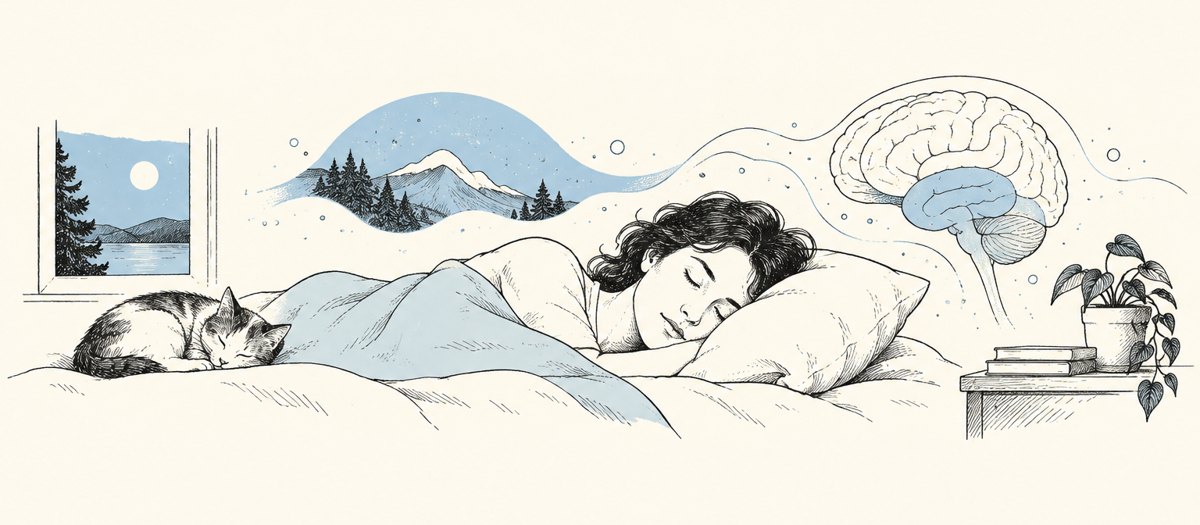
Deep Sleep (Slow-Wave Sleep)
Deep sleep is a sleep stage with slow brain-wave activity. Wearables estimate it from signals such as movement and heart rate rather than directly measuring brain waves, so stage totals are not equivalent to a clinical sleep study.
Light Sleep
Light sleep includes sleep stages that form much of a typical night and connect wakefulness with deeper sleep. It is a normal part of sleep, not wasted time, and device estimates of stage duration can be imprecise.
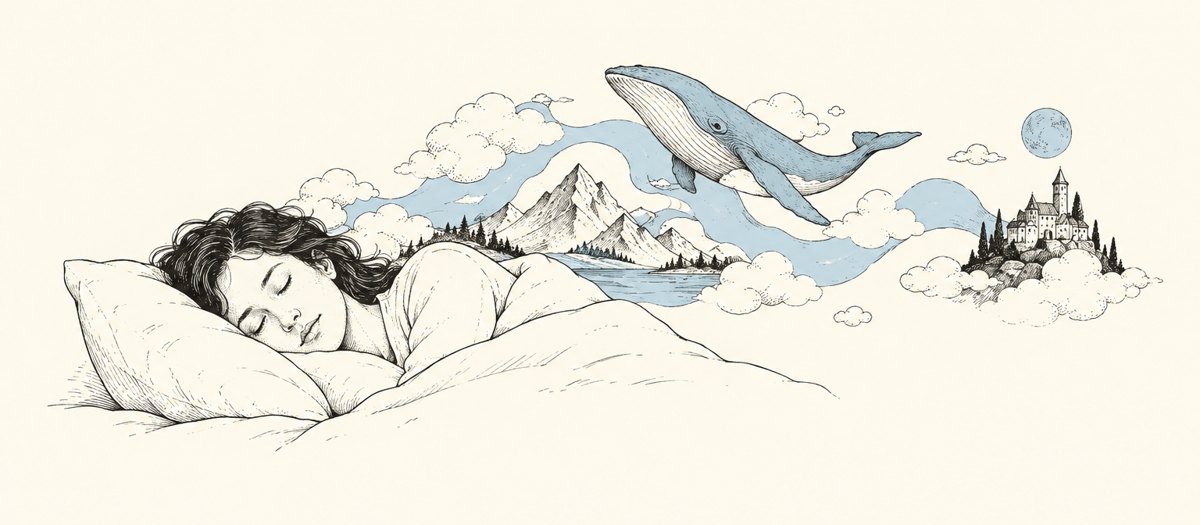
REM Sleep
REM sleep is a stage associated with rapid eye movements, dreaming, and several memory processes. Its share changes across the night, and wearable estimates cannot establish sleep quality from REM duration alone.
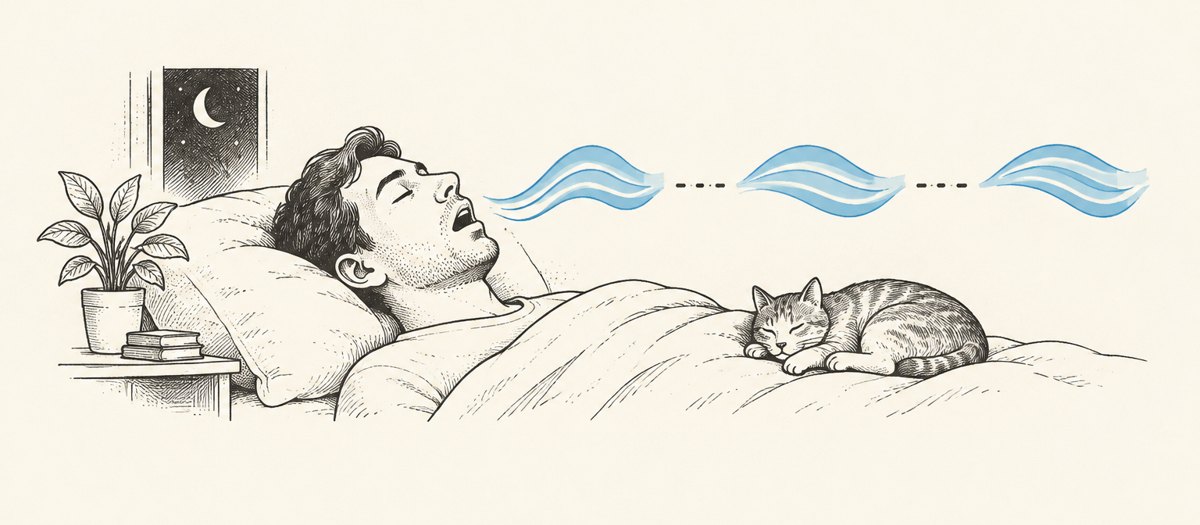
Sleep Apnea Events (AHI proxy)
An apnea-hypopnea index from a sleep study counts breathing pauses or reductions per hour of sleep. A wearable proxy or alert estimates related patterns and is not equivalent to that clinical measurement or sufficient for diagnosis.

Sleep Debt
Sleep debt estimates how much sleep you missed compared with your estimated sleep need. Each app uses its own time window and calculation, so scores from different systems are not interchangeable.
Sleep Duration
Sleep duration is the amount of time spent asleep rather than simply in bed. Needs vary with age and individual context, and a long night does not always mean restorative sleep; devices may mistake quiet wakefulness for sleep.
Sleep Efficiency
Sleep efficiency is the percentage of time in bed that you spend asleep. It can describe sleep continuity, but a high percentage does not guarantee enough total sleep and depends on how bedtime and wakefulness are recorded.
Sleep Score
A sleep score combines measures such as duration, timing, and estimated sleep stages into one device-specific number. It can help summarize patterns, but scores from different brands are not interchangeable and cannot diagnose a sleep disorder.