Cardiovascular Health Biomarkers
Cardiovascular biomarkers measure physical indicators and blood factors that reflect the health, stiffness, and pumping efficiency of the heart and arteries. Metrics such as resting heart rate, blood pressure, and VO2 max provide an objective window into circulatory performance and aerobic fitness. Members monitor cardiovascular indicators to measure heart health improvements from endurance and strength training.
Tracked Biomarkers (14)
Physical metrics and biometric indicators reflecting heart and circulatory function.

Blood Pressure — Diastolic
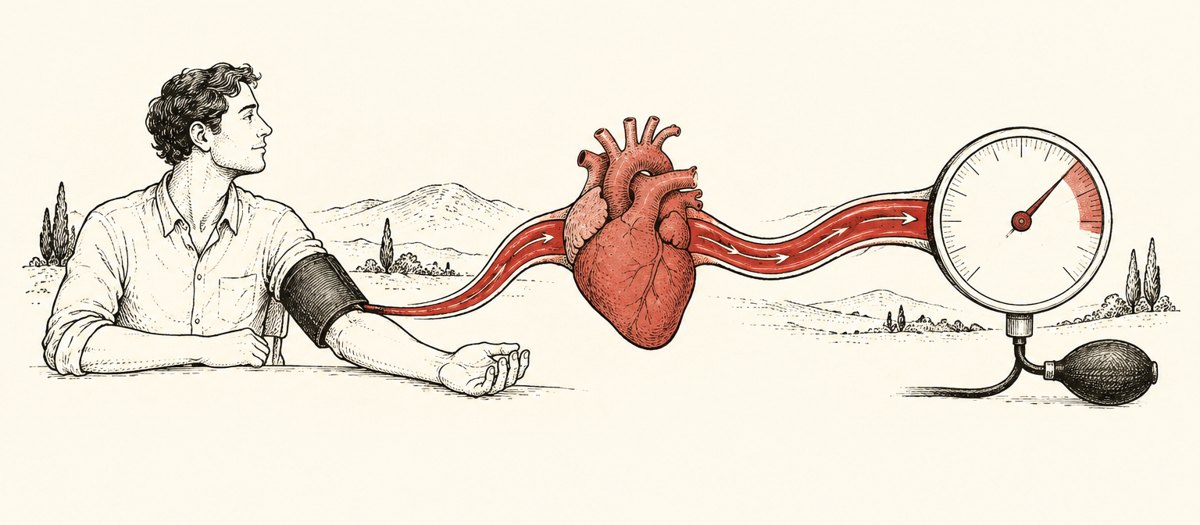
Diastolic blood pressure is the pressure in your arteries while your heart relaxes between beats. It is the lower number in a blood pressure reading and is interpreted with the systolic number and repeated measurements taken under similar conditions.
Blood Pressure — Systolic
Systolic blood pressure is the pressure in your arteries when your heart contracts. It is the upper number in a blood pressure reading; stress, recent activity, cuff fit, and measurement technique can affect a single result.

BNP
BNP is released when the heart is under strain. It is a separate test from NT-proBNP. Age, kidney function and clinical context affect interpretation. This is not a routine fitness target.
ECG Rhythm
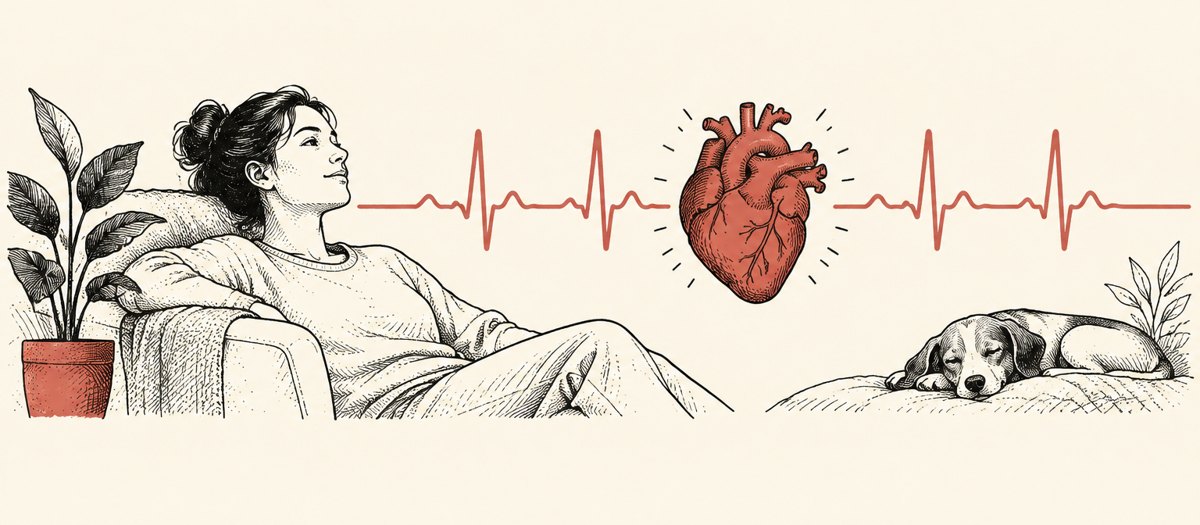
An ECG records electrical signals that control your heartbeat. A watch usually captures one view of those signals and may flag certain rhythm patterns, but it does not replace a clinical ECG or rule out heart problems.
Heart Age
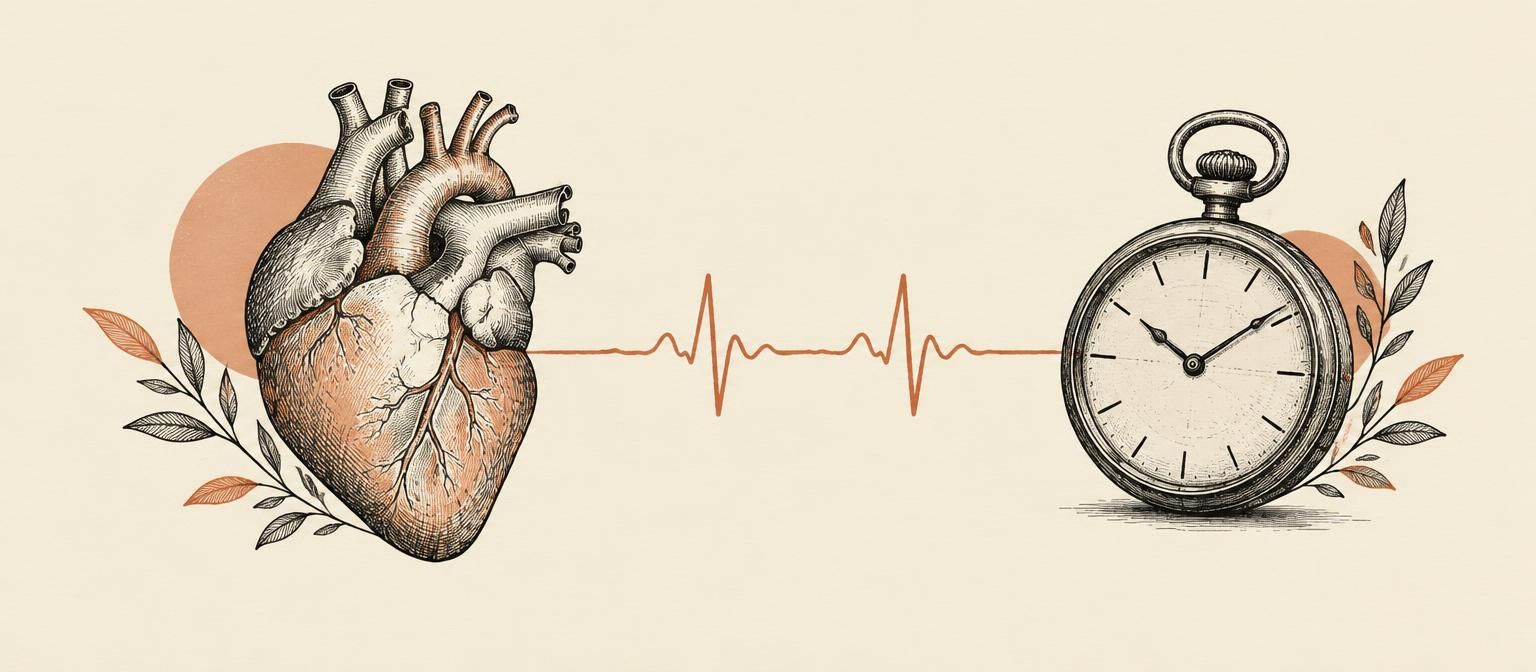
Heart age estimates how well your heart pumps compared with others your age, using signals from each heartbeat. Younger than your real age is a good sign.
Heart Rate Variability (HRV)
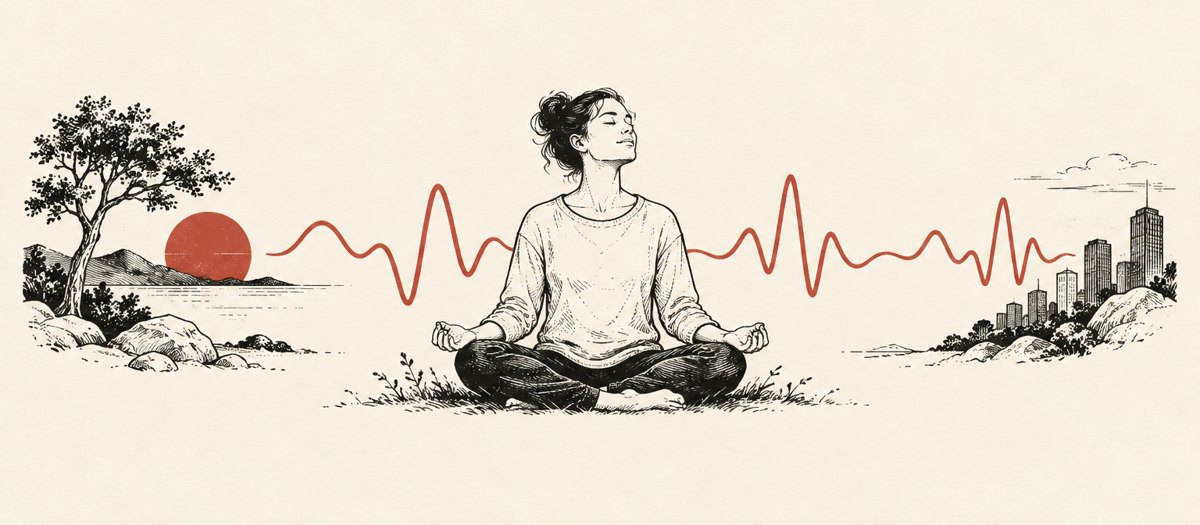
Heart-rate variability describes differences in the time between heartbeats. It reflects influences on your nervous system and can shift with sleep, illness, breathing, and training; values depend on the device and calculation, and higher is not always better.

High-Sensitivity Troponin I
High-Sensitivity Troponin I measures a protein released by heart muscle. Troponin I and T are different assays and must never be combined. New chest pain, breathlessness or other urgent symptoms need urgent medical care, not an app comparison.
High-Sensitivity Troponin T
High-Sensitivity Troponin T measures a protein released by heart muscle. Troponin I and T are different assays and must never be combined. New chest pain, breathlessness or other urgent symptoms need urgent medical care, not an app comparison.
NT-proBNP
NT-proBNP is released when the heart is under strain. It is a separate test from BNP. Age, kidney function and clinical context affect interpretation. This is not a routine fitness target.
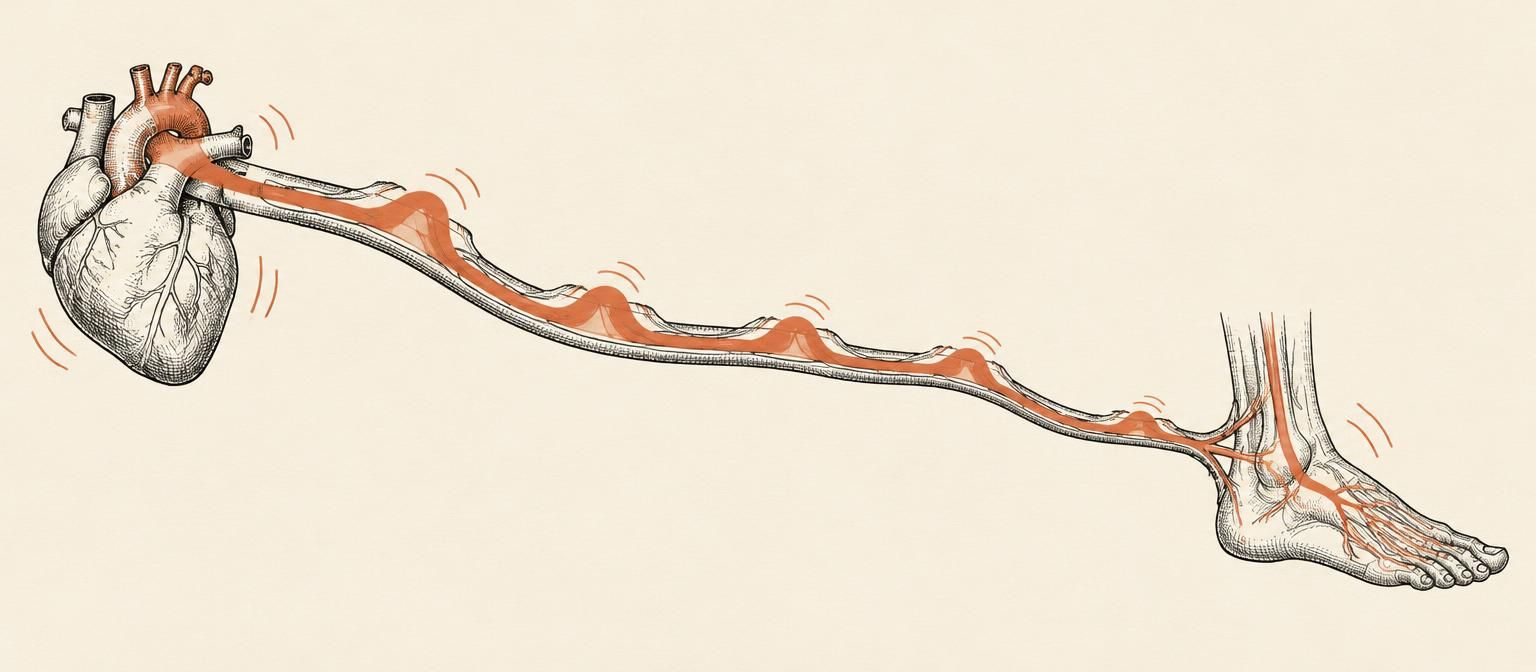
Pulse Wave Velocity (PWV)
Pulse wave velocity measures how fast your heartbeat's pressure wave travels through your arteries. Faster waves mean stiffer arteries, which raise heart risk.
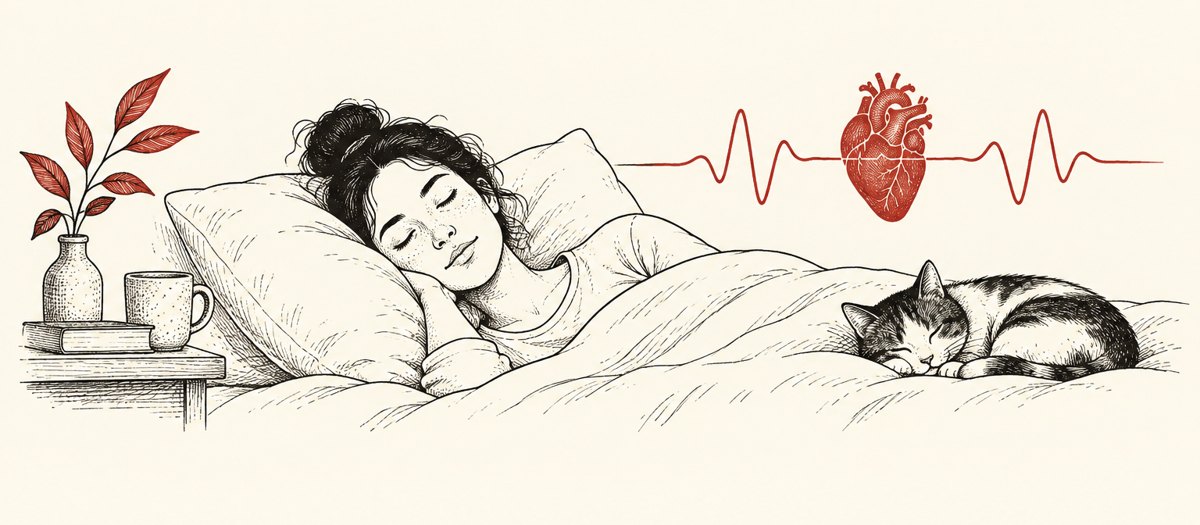
Resting Heart Rate
Resting heart rate is how often your heart beats when you are at rest. Fitness, sleep, medicines, illness, and stress can all influence it; an unusually low or high rate is not automatically a sign of better or worse fitness.

Standing Heart Rate
Standing heart rate is your pulse measured while you stand on the scale. Tracked daily, it can reveal fitness gains, poor recovery, or dehydration.

Vascular Age
Vascular age estimates how old your arteries act, based on how stiff they are. A vascular age younger than your real age is a good sign for heart health.

VO2 Max
VO2 max describes the greatest amount of oxygen your body can use during intense exercise. It is a measure of aerobic fitness, but watch estimates differ from laboratory exercise tests and interpretation depends on age and sex-related physiology.