Kidney Function Biomarkers
Kidney function biomarkers assess how effectively the kidneys filter metabolic waste products and balance hydration and electrolytes in the blood. Markers like creatinine, eGFR, BUN, and cystatin C indicate renal filtration efficiency and general hydration status. Members monitor kidney metrics to confirm their high-protein diets, hydration routines, and supplement stacks remain safe for renal health.
Tracked Biomarkers (19)
Filtration rates, reference values, and community tracking for kidney health markers.
BUN (Blood Urea Nitrogen)
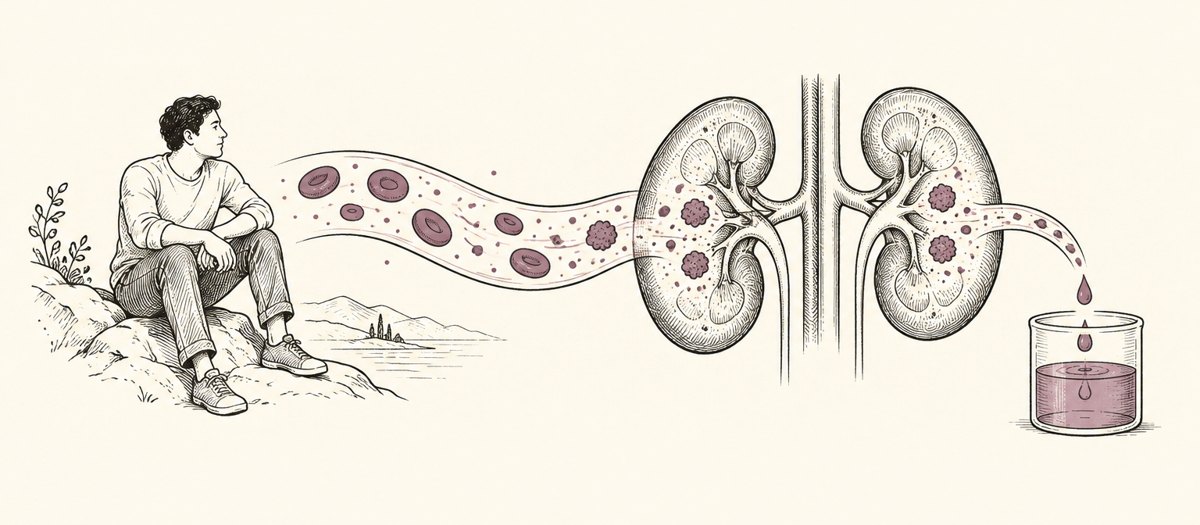
BUN measures nitrogen from urea, a waste product made when your body processes protein. The kidneys remove urea, but hydration, protein intake, and other factors also affect the result, so BUN alone does not measure kidney function.

BUN / Creatinine Ratio
Compares two waste products in the same blood sample. Hydration, protein intake, muscle mass and kidney function affect it. The ratio is meaningful only when its calculation uses the appropriate units.
Creatinine
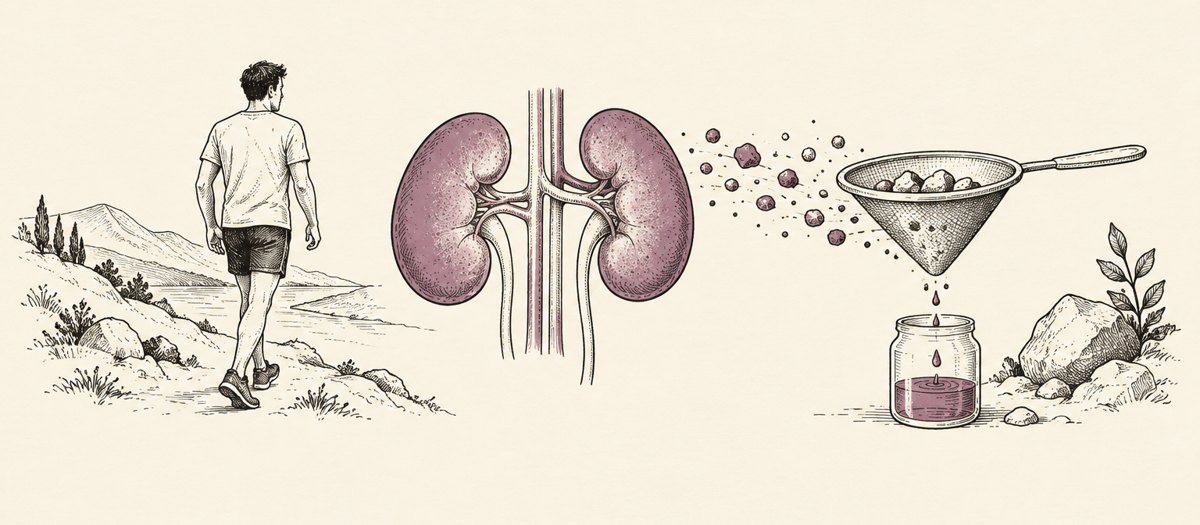
Creatinine is a waste product linked to normal muscle activity that your kidneys remove from the blood. It helps estimate kidney filtration, but muscle mass, recent exercise, diet, and some medicines can affect its level.
Cystatin C
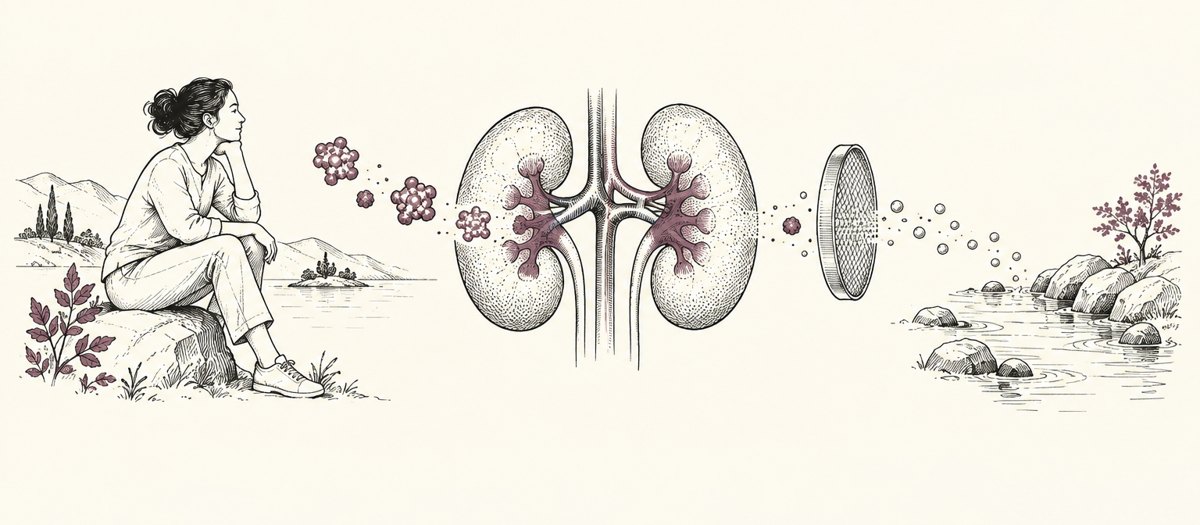
Cystatin C is a protein made by cells that is filtered by the kidneys. It can help estimate kidney function, especially when creatinine is hard to interpret, although inflammation, thyroid function, and some medicines can also affect it.
eGFR (Estimated GFR)
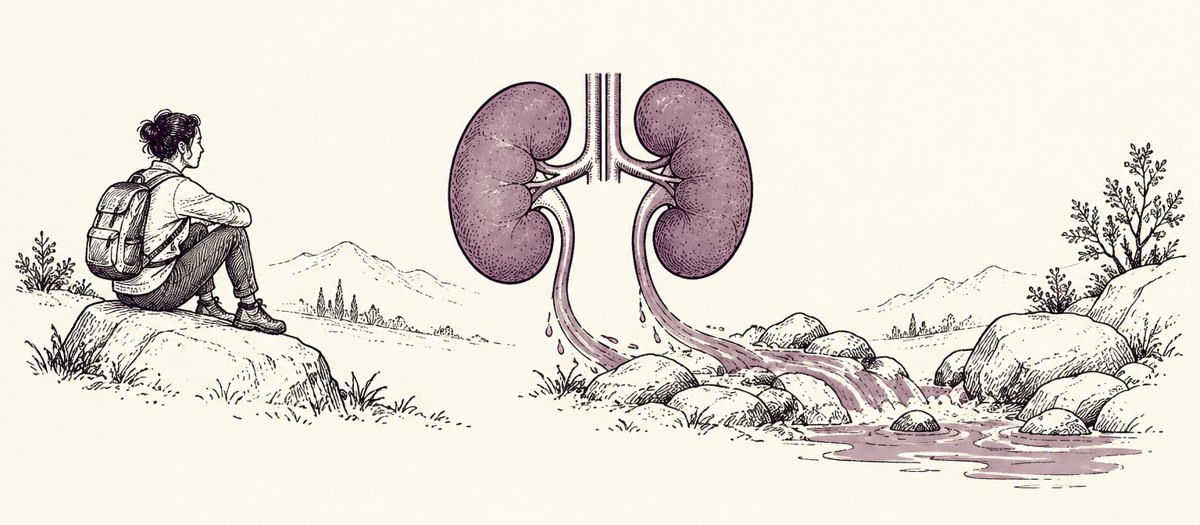
EGFR estimates how well your kidneys filter blood using creatinine, cystatin C, or both. It is a calculated estimate rather than a direct measurement and is interpreted with age, urine findings, and whether a change persists over time.

Uric Acid
Uric acid is a waste product formed when your body breaks down substances called purines. Excess can form crystals involved in gout or some kidney stones, but levels also reflect kidney function, medicines, and other factors; extremely low levels are not a universal goal.

Urine Albumin (Microalbumin)
Albumin concentration in a urine sample. This depends on urine dilution and is different from the albumin/creatinine ratio in mg/g.

Urine Albumin / Creatinine Ratio (uACR)
Compares albumin protein with creatinine in a urine sample. This adjusts for how dilute the urine is. Repeat testing may be needed because exercise, infection and other temporary factors can affect it.

Urine Bilirubin
A dipstick test for bilirubin in urine, interpreted with liver testing.

Urine Glucose
Checks for sugar in urine. SGLT2 medicines deliberately increase urine glucose.

Urine Ketones
Checks for ketones in urine. Fasting and low-carb eating can produce ketones; symptoms and clinical context matter.

Urine Leukocyte Esterase
A dipstick signal linked to white blood cells. It does not by itself diagnose infection.

Urine Nitrite
A dipstick signal that some bacteria can produce. A negative result does not rule out infection.

Urine Occult Blood
A urine screen for blood-related signals. A positive dipstick needs interpretation and may need microscopy.

Urine pH
Measures how acidic or alkaline a urine sample is. Diet, medicine, infection and collection timing affect it.

Urine Protein
A urine dipstick screen for protein. It is not the same as a quantitative albumin test.

Urine Red Blood Cells
Counts red blood cells in a urine sample under a microscope. Collection contamination can affect results.

Urine Specific Gravity
Estimates urine concentration. Hydration and substances in urine affect it.

Urine White Blood Cells
Counts white blood cells under a microscope. Infection, inflammation and collection contamination affect results.