Nutrition & Hydration Biomarkers
Nutrition and hydration biomarkers measure serum electrolytes, fluid balance, and circulating metabolic fuels such as blood ketones and sodium. Keeping electrolytes like potassium, sodium, and magnesium in optimal balance is critical for nerve conduction, hydration, and muscle contraction. Members monitor hydration markers to fine-tune fasting protocols, athletic hydration, and ketogenic diets.
Tracked Biomarkers (7)
Electrolytes, hydration indicators, and circulating nutrient fuels.
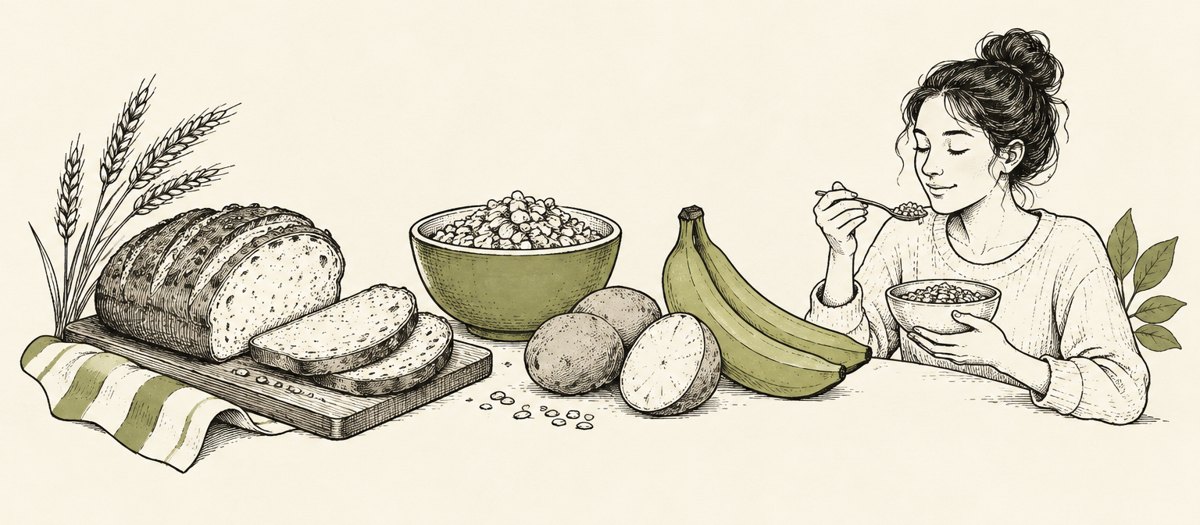
Carbohydrates
Carbohydrate intake records foods that supply sugars, starches, and fiber. The amount alone does not show food quality, and needs vary with activity, health context, and the rest of your eating pattern.
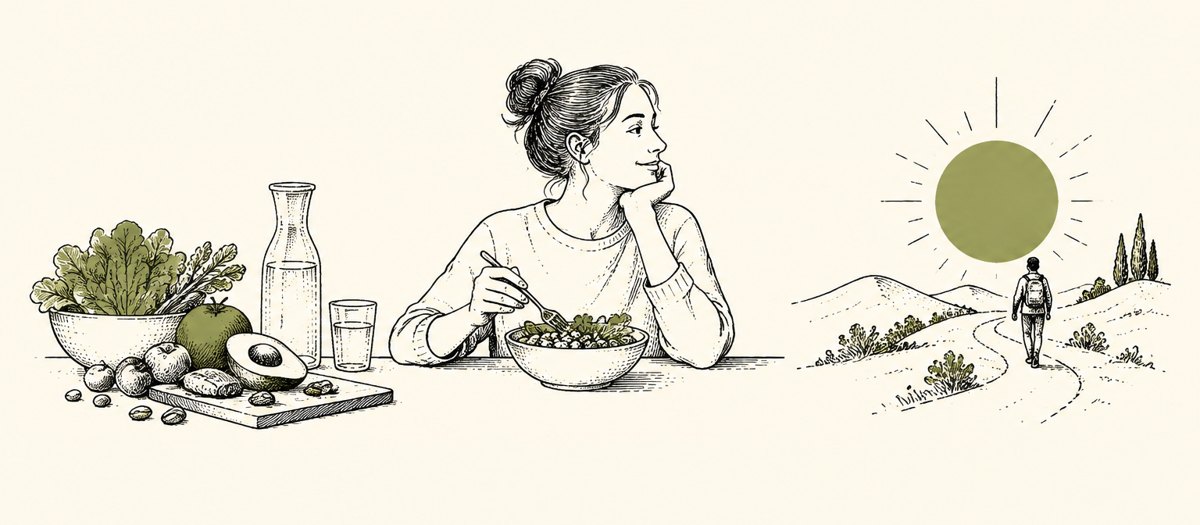
Daily Calories (Energy)
Daily calorie intake estimates the energy you get from food and drink. Food logs and labels have measurement limits, and energy needs vary with body size, activity, life stage, and health rather than one universal daily target.
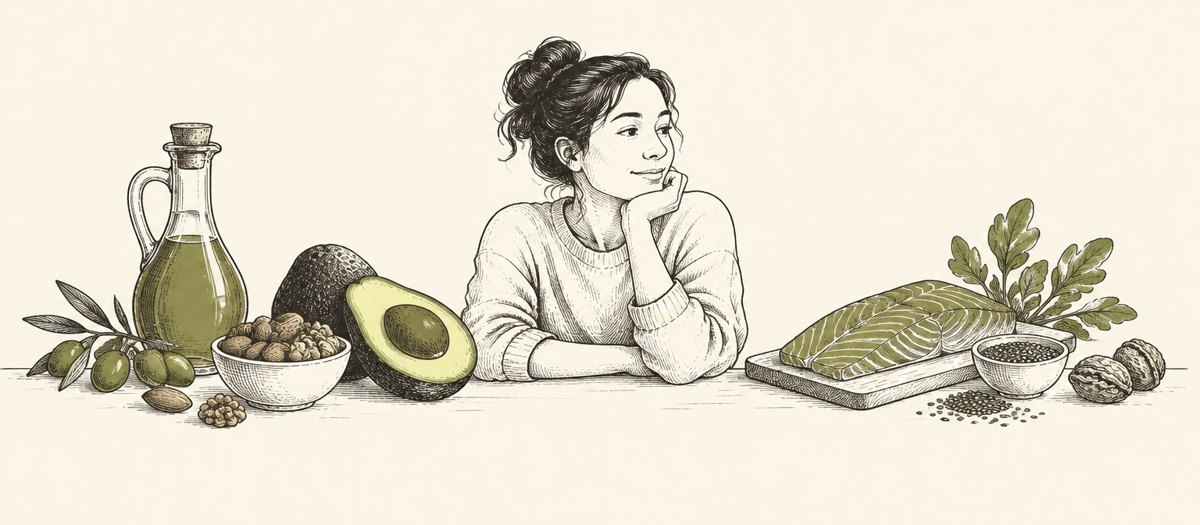
Dietary Fat
Dietary fat provides energy, helps absorb certain vitamins, and supplies essential fatty acids. The types and sources of fat matter as well as the total amount, so grams alone cannot describe an eating pattern’s effects on health.
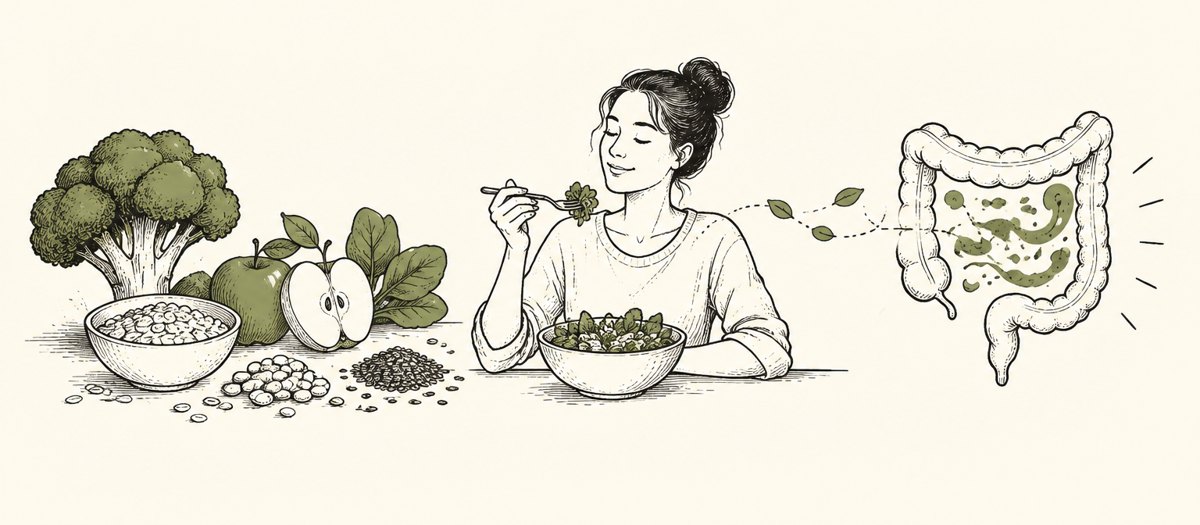
Dietary Fiber
Dietary fiber is the part of plant foods that your body does not fully digest. Different fibers support bowel function and gut microbes in different ways, while a daily total helps describe intake without capturing all aspects of food quality.
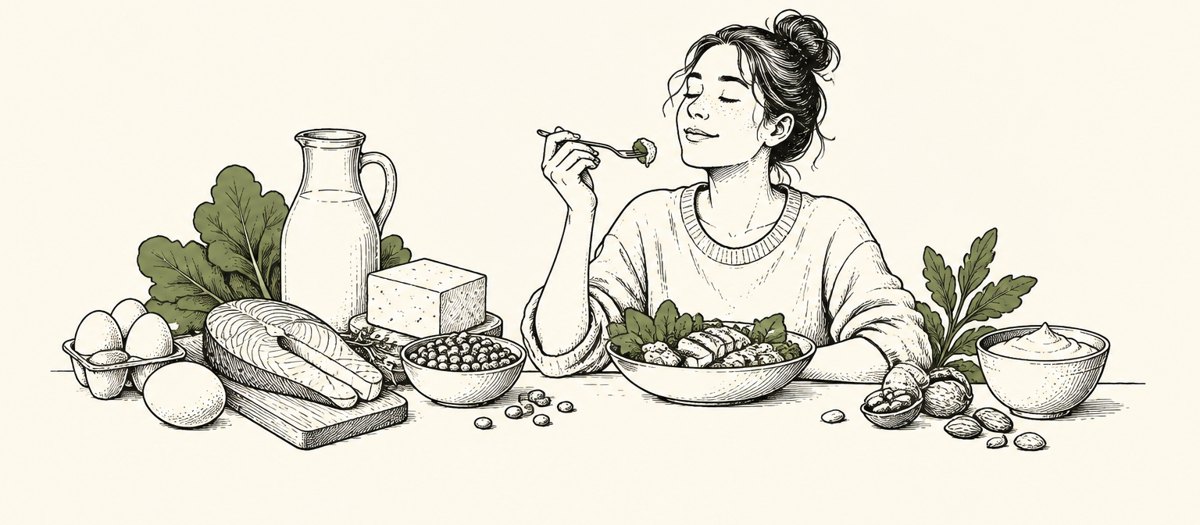
Protein Intake
Protein supplies amino acids used to build and maintain tissues, including muscle. Expressing intake relative to body weight can help compare needs, but age, activity, pregnancy, and kidney health all affect the appropriate amount.
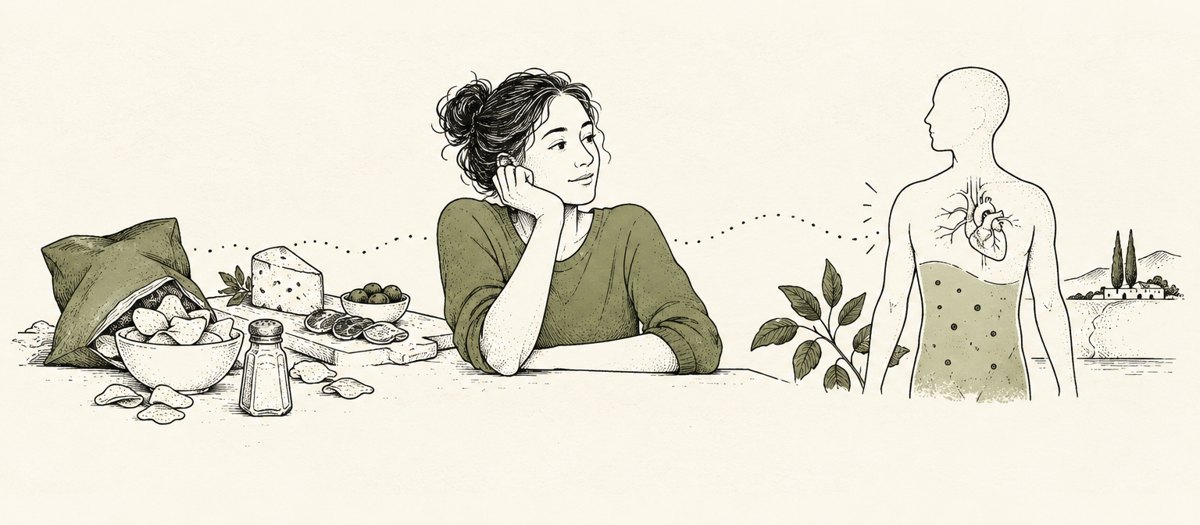
Sodium Intake
Sodium is a mineral involved in fluid balance and nerve and muscle function. Most dietary sodium comes from salt, and intake can influence blood pressure, but food logs may miss sodium and individual needs differ with health and activity.

Water / Hydration
Water intake records the fluids you drink, while hydration describes your body’s fluid balance. Foods also provide water, and needs change with heat, activity, illness, and medicines, so a logged volume alone does not establish hydration status.