Metabolic Health Biomarkers
Metabolic biomarkers evaluate how effectively your body processes glucose, converts food into usable energy, and manages insulin sensitivity. Testing markers such as fasting glucose, HbA1c, fasting insulin, and uric acid helps identify early shifts toward insulin resistance and metabolic strain. Members track metabolic data to measure the direct impact of nutrition, fasting, and exercise routines.
Tracked Biomarkers (16)
Clinical ranges and community tracking data for blood sugar and metabolic markers.

Adiponectin
A hormone made by fat tissue that is involved in insulin sensitivity. Body composition, sex and medical conditions affect it. There is no universal optimal number for all adults.
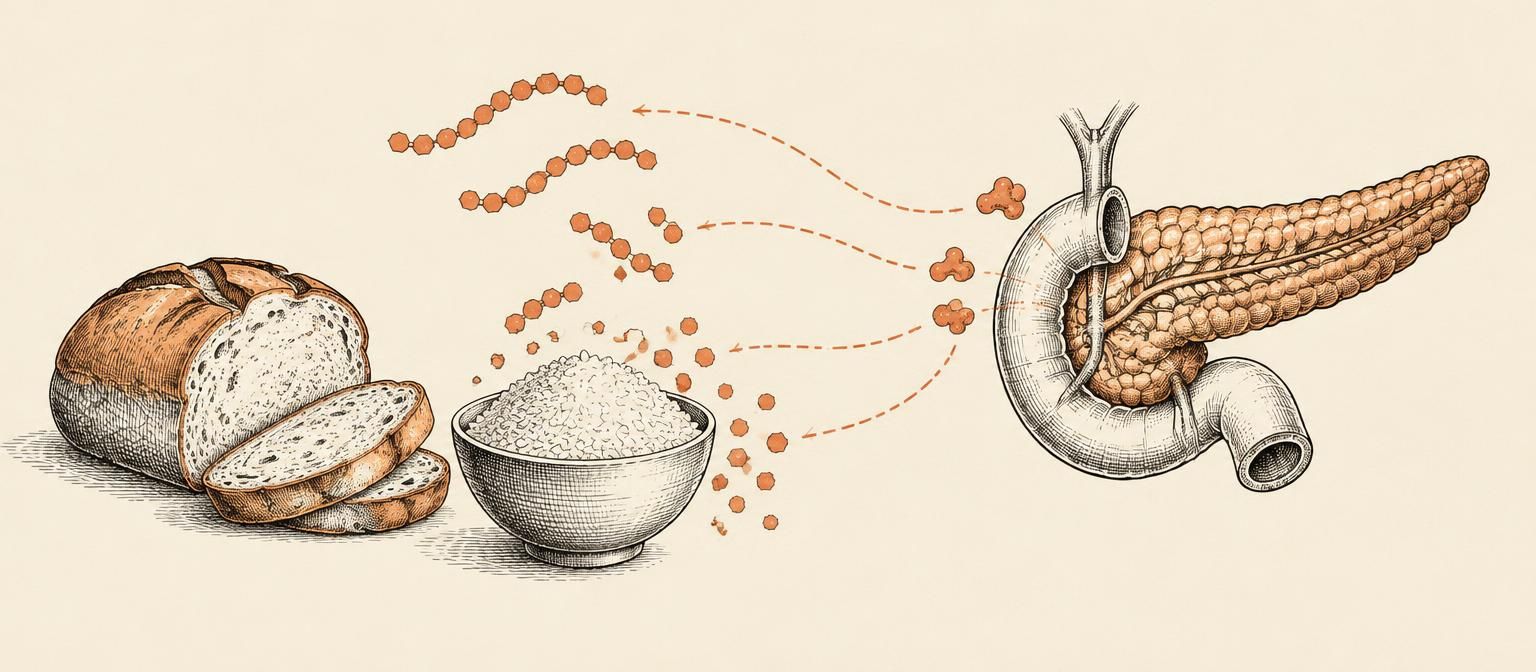
Amylase
Amylase is an enzyme that helps digest starches. It is made mostly by the pancreas and salivary glands, and very high levels can point to pancreas irritation.

Estimated Average Glucose (eAG)
eAG turns your HbA1c result into an average blood sugar number, in the same units as a finger-stick or CGM. It reflects roughly the last three months.

Fasting Blood Glucose
Fasting blood glucose measures sugar in your blood after a period without food. It helps assess how your body regulates glucose, but sleep, illness, medicines, and collection conditions can affect a result, and unexpected readings may need confirmation.

Fasting C-Peptide
C-peptide is released with insulin made by your own pancreas. It helps put insulin production in context, especially alongside glucose. Low is not always better.

Fasting Insulin
Fasting insulin measures the hormone that helps move glucose from blood into cells after a period without food. It can add context to glucose results, but test methods vary and neither a very high nor a very low level is always desirable.

Fructosamine
Fructosamine measures sugar attached to blood proteins and reflects roughly two to three weeks of blood sugar exposure. Protein levels and some illnesses affect it, so it is not interchangeable with HbA1c.

Glucose Resilience
Glucose resilience estimates how well your body handles sugar after you eat. Better resilience means steadier energy and lower diabetes risk.

Glucose Time-In-Range (CGM)
Time in range is the percentage of continuous glucose readings within a selected glucose band. Its meaning depends on the band and clinical context, and interpretation also needs time spent below and above range rather than this percentage alone.

Glucose Variability (CV%)
Glucose variability describes how much glucose readings fluctuate relative to their average. The coefficient of variation expresses this as a percentage, but a steady glucose level can still be too high or too low.

HbA1c (Hemoglobin A1c)
HbA1c measures how much glucose has attached to hemoglobin in red blood cells, reflecting average glucose over roughly two to three months. Conditions that affect red blood cells can distort it, and it does not show daily spikes or low-glucose episodes.

HOMA-IR (Insulin Resistance)
HOMA-IR is a calculation using fasting glucose and insulin to estimate insulin resistance. It is most useful in defined research or clinical settings, because insulin assays and population differences prevent one cutoff from working for everyone.

Leptin
Leptin is a hormone from fat tissue that helps signal energy stores to the brain. Levels depend strongly on body fat and sex. One result does not diagnose leptin resistance.
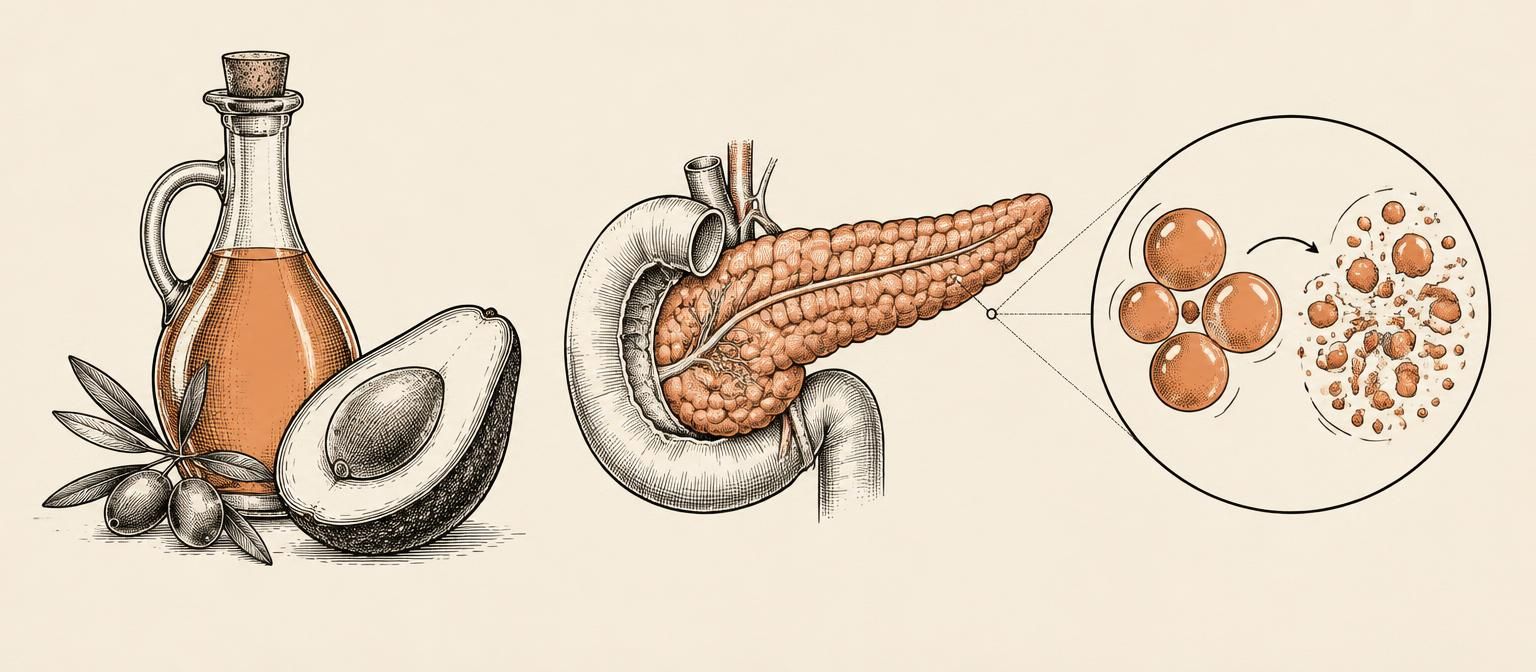
Lipase
Lipase is a pancreas enzyme that breaks down fats. It is one of the clearest blood signs of pancreas health.

Metabolic Age
Metabolic age compares your resting calorie burn to typical values for different ages. More muscle usually means a younger metabolic age.

Real-Time Glucose (CGM)
A continuous glucose monitor estimates glucose in fluid just beneath the skin throughout the day. Its readings can lag behind blood glucose during rapid changes, and sensor errors or pressure on the sensor can affect individual values.