Nutrients & Vitamins Biomarkers
Nutrient biomarkers measure circulating levels of essential vitamins, minerals, and fatty acids required for cellular function and enzymatic reactions. Testing markers like vitamin D, vitamin B12, serum iron, and omega-3 index reveals hidden micronutrient deficiencies that can quietly sap vitality. Members track nutrient levels to verify whether dietary changes and supplements are successfully reaching optimal targets.
Tracked Biomarkers (28)
Optimal nutritional targets, clinical ranges, and community supplement insights.

Arachidonic Acid (AA)
AA is a fatty acid measured as a share of the fatty acids in a blood sample. Whole-blood, plasma and red-cell tests are not interchangeable. It is an omega-6 fat; omega-6 fats are not simply harmful.

Arachidonic Acid / EPA Ratio
A ratio of fatty acids measured in the same blood sample. It is not a direct inflammation test and has no universal treatment goal. An inverse omega-3/omega-6 ratio is a different result.

Ceruloplasmin
Ceruloplasmin is a protein that carries copper. It is interpreted alongside copper and clinical context, not as a stand-alone nutrition target.

Copper (Serum)
Copper is a trace mineral needed for blood cells and enzymes. Too much zinc can reduce copper absorption; inflammation and hormone changes affect blood levels.

CoQ10 (Coenzyme Q10)
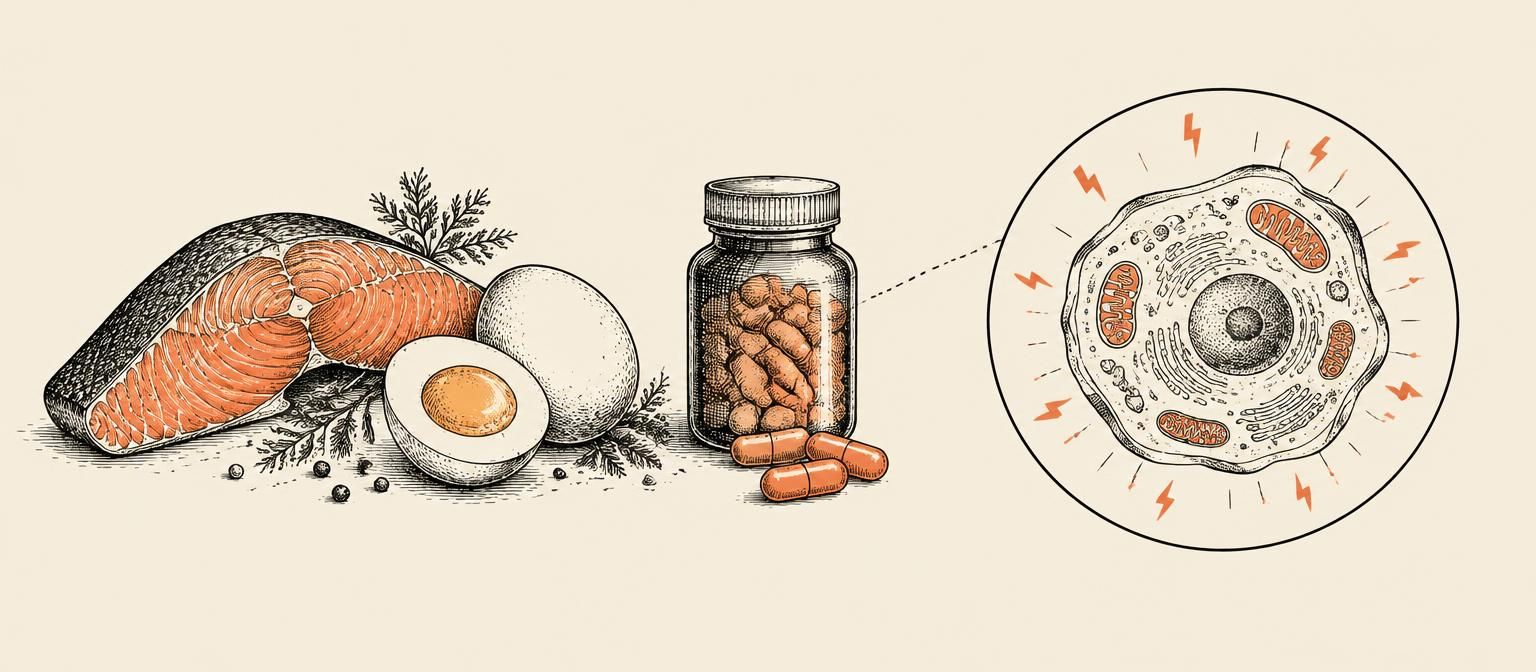
CoQ10 helps cells transfer energy. Its blood level depends on supplements and circulating lipids; it does not directly measure energy in muscles.

DHA (Docosahexaenoic Acid)
DHA is a fatty acid measured as a share of the fatty acids in a blood sample. Whole-blood, plasma and red-cell tests are not interchangeable. It is an omega-3 fat.

DPA (Docosapentaenoic Acid)
DPA is a fatty acid measured as a share of the fatty acids in a blood sample. Whole-blood, plasma and red-cell tests are not interchangeable. It is an omega-3 fat.

EPA (Eicosapentaenoic Acid)
EPA is a fatty acid measured as a share of the fatty acids in a blood sample. Whole-blood, plasma and red-cell tests are not interchangeable. It is an omega-3 fat.

Ferritin
Ferritin is a protein that stores iron, and its blood level helps assess iron reserves. It can also rise during inflammation or liver conditions, so a high result does not always mean excess iron and is read with other iron tests.

Folate
Folate is a B vitamin needed to make DNA and support healthy blood cells. Blood tests can assess folate status, but serum and red cell tests reflect different timeframes, and a result is interpreted alongside diet and related tests.

Iron (Serum)
Serum iron measures iron circulating in the blood, mostly attached to a transport protein. It can change with meals and collection time, so it is usually interpreted with ferritin, transferrin, or other iron studies rather than on its own.

Linoleic Acid (LA)
LA is a fatty acid measured as a share of the fatty acids in a blood sample. Whole-blood, plasma and red-cell tests are not interchangeable. It is an omega-6 fat; omega-6 fats are not simply harmful.

Magnesium
Magnesium supports nerve, muscle, and enzyme function. A serum test measures magnesium in blood, which is only a small part of the body’s total, so a result within the reference interval does not fully describe magnesium stores.
Methylmalonic Acid (MMA)
MMA builds up when your cells don't have enough usable vitamin B12. It can catch a B12 shortfall even when your blood B12 level looks normal.

Omega-3 Index
The omega-3 index measures EPA and DHA fats as a percentage of fatty acids in red blood cells. It reflects longer-term omega-3 status, but it is not the same as a plasma test and proposed targets are not universal treatment goals.

Omega-6 / Omega-3 Ratio
A ratio of fatty acids measured in the same blood sample. It is not a direct inflammation test and has no universal treatment goal. An inverse omega-3/omega-6 ratio is a different result.

Omega-6 Total
Omega-6 fats are found in seed oils, nuts, and many packaged foods. Your body needs them, but the balance with omega-3 fats matters for inflammation.

Selenium (Serum)
Selenium is a trace mineral used by thyroid and antioxidant enzymes. Both too little and too much can be harmful.

Total Iron Binding Capacity (TIBC)
Part of iron assessment. TIBC measures the total capacity of blood proteins to carry iron. Interpret it with ferritin, serum iron and your report.

Transferrin
Part of iron assessment. Transferrin is the main protein that carries iron in blood. Interpret it with ferritin, serum iron and your report.

Transferrin Saturation
Part of iron assessment. The percentage of iron-binding sites occupied by iron, commonly serum iron divided by TIBC times 100. Interpret it with ferritin, serum iron and your report.

Unsaturated Iron Binding Capacity (UIBC)
Part of iron assessment. UIBC measures unused iron-binding capacity. Interpret it with ferritin, serum iron and your report.

Vitamin A (Retinol)
Retinol is a form of vitamin A needed for vision and tissue health. Excess preformed vitamin A can be harmful; beta-carotene is not the same blood test.

Vitamin B12
Vitamin B12 supports nerves, DNA production, and red blood cell formation. A blood level helps assess status, but supplements can raise it and some people need related tests to clarify whether their cells have enough usable B12.

Vitamin C (Ascorbic Acid)
Vitamin C supports connective tissue and several enzymes. Blood levels are affected by recent intake and careful sample handling.

Vitamin D (25-OH)
The 25-OH vitamin D test measures the main circulating form used to assess vitamin D status. Vitamin D helps maintain bone and mineral balance, but interpretation depends on the clinical setting and very high levels can be harmful.

Vitamin E (Alpha-Tocopherol)
Alpha-tocopherol is the main measured form of vitamin E. Blood lipids and absorption affect the result, and high-dose supplementation is not a general health recommendation.

Zinc
Zinc is a mineral involved in immune function, wound healing, and many enzymes. Blood levels can be affected by meals, collection time, and inflammation, so one measurement does not fully describe zinc status or establish a need for supplements.