Body Composition Biomarkers
Body composition biomarkers measure the ratio of lean muscle mass, visceral fat, subcutaneous fat, and bone mineral density in the body. Beyond scale weight, metrics like visceral adipose tissue and skeletal muscle mass directly influence metabolic rate and long-term joint health. Members track body composition scans to verify that fat loss protocols preserve valuable lean muscle tissue.
Tracked Biomarkers (13)
Muscle mass, fat distribution, and bone density metrics tracked on BioSocial.

BMI (Body Mass Index)
BMI relates your weight to your height and is used as a broad screening measure. It does not distinguish muscle from fat or show where fat is stored, so it cannot describe an individual’s health by itself.
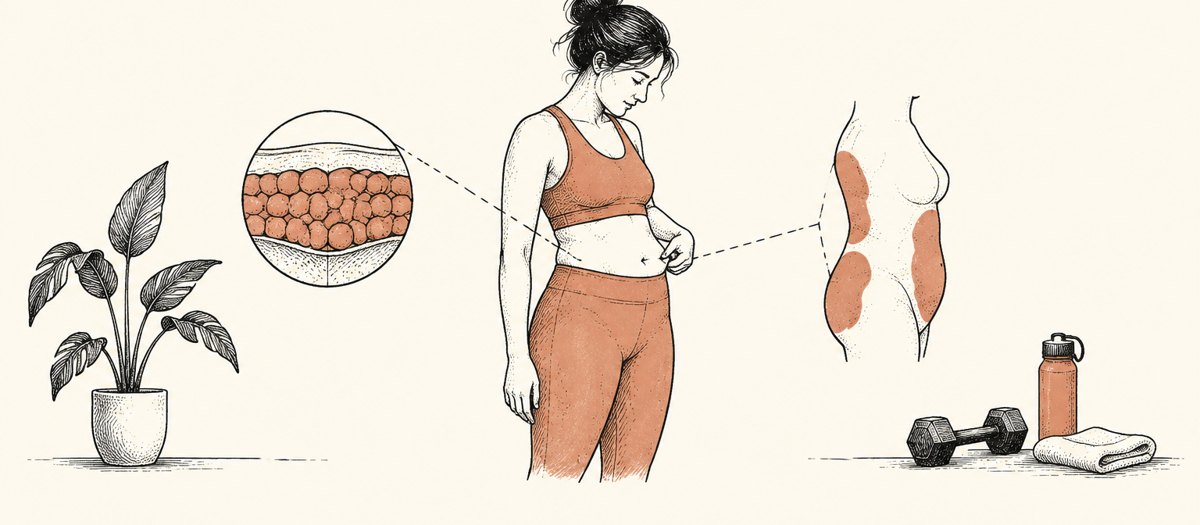
Body Fat Percentage
Body fat percentage estimates how much of your weight comes from fat tissue. Some fat is essential for normal body function, and interpretation depends on age, sex-related physiology, and the measurement method; lower is not always healthier.
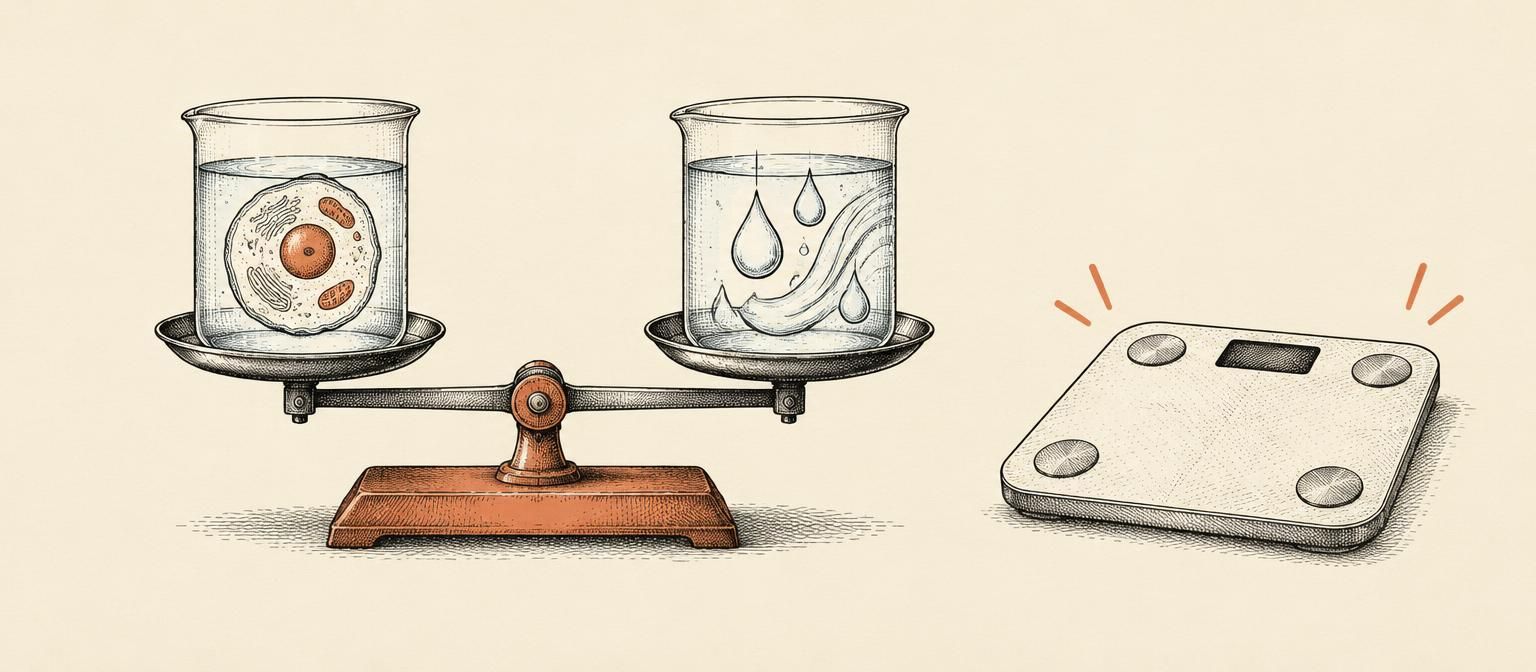
Body Fluid Balance (ECW/TBW Ratio)
This ratio compares fluid outside your cells to all the water in your body. A higher ratio can suggest fluid retention or inflammation; a balanced ratio suggests healthy cells.
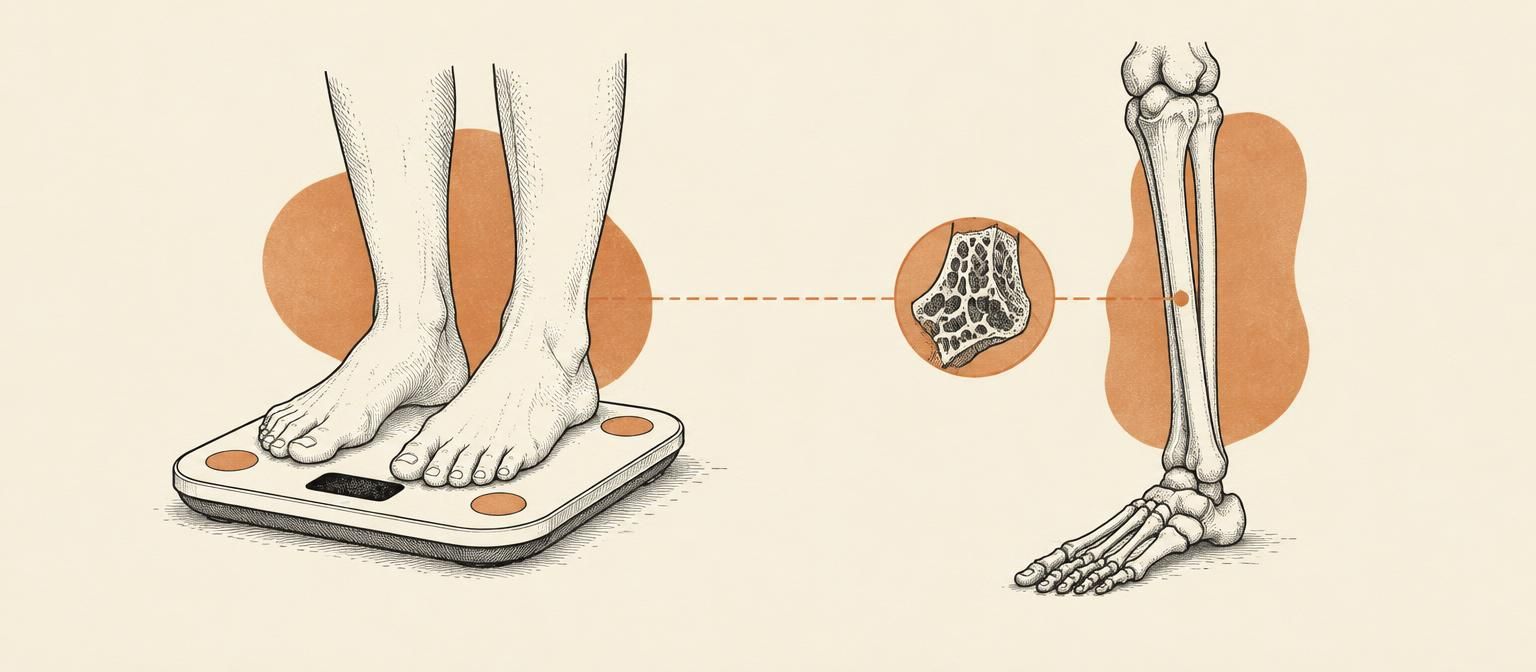
Bone Mass
Bone mass is a smart-scale estimate of how much of your weight is bone mineral. It is useful for spotting trends over time, but it is not the same as a DEXA bone density scan.

Bone Mineral Density
Bone mineral density measures how much mineral is present in a section of bone, usually with a DXA scan. It helps assess bone strength and fracture risk, but age, fracture history, and the type of score also matter.
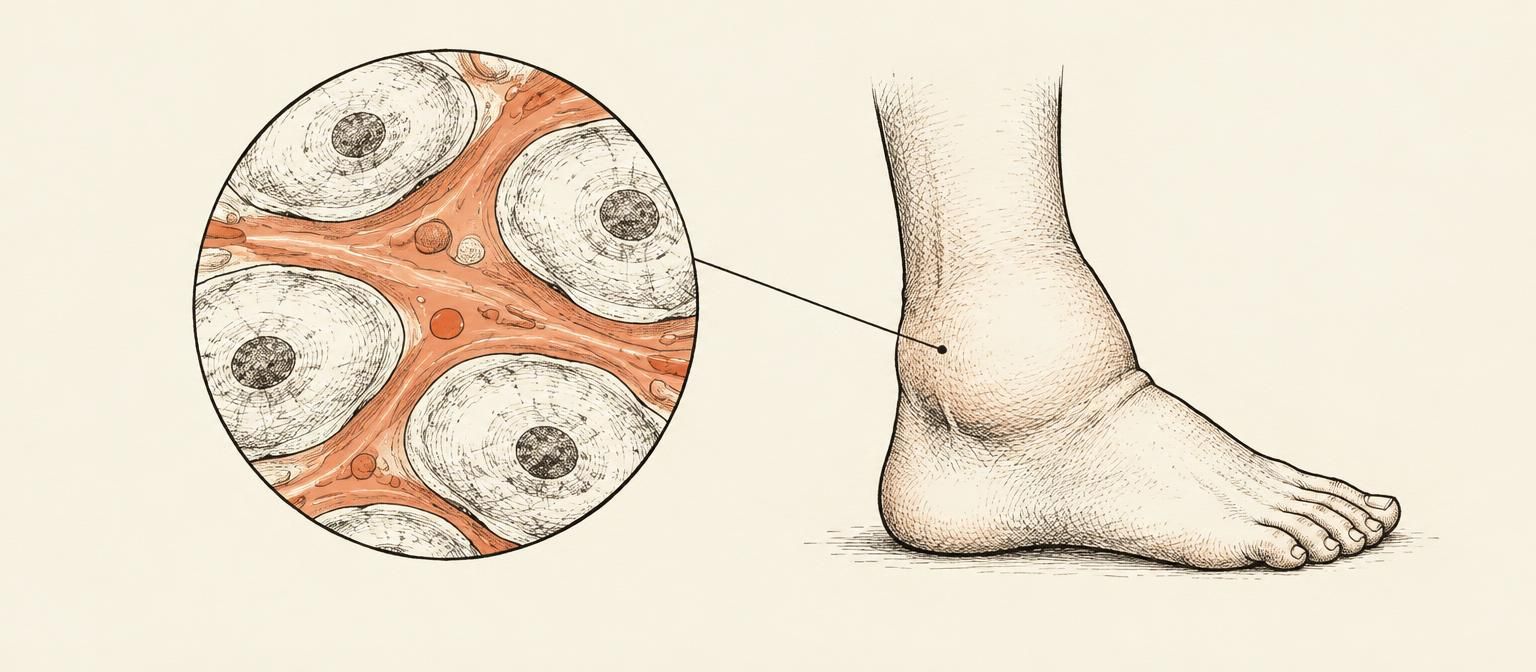
Extracellular Water (ECW)
Extracellular water is the fluid outside your cells, including blood plasma. It can rise with salt intake, swelling, or inflammation.
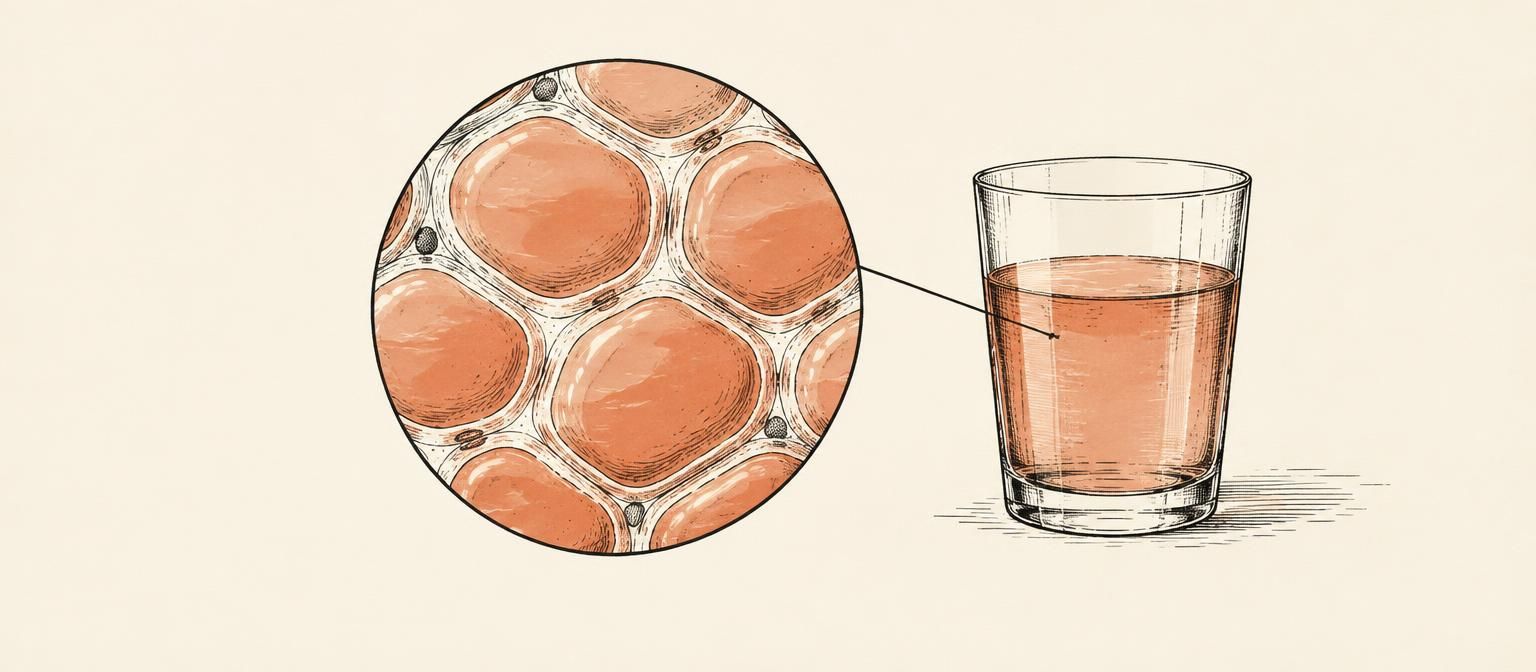
Intracellular Water (ICW)
Intracellular water is the fluid inside your cells. More muscle usually means more intracellular water, and it is a sign of healthy, well-fed cells.

Muscle Mass (Lean Mass)
Muscle mass estimates the amount of muscle in your body, while lean mass includes other non-fat tissue and body water. Scales and scans may report these differently, so the terms are not interchangeable and hydration can affect estimates.

Segmental Fat Mass
Segmental fat mass shows where your body fat is stored — arms, legs, and torso. Fat around the middle is more closely tied to heart and metabolic risk than fat on the limbs.
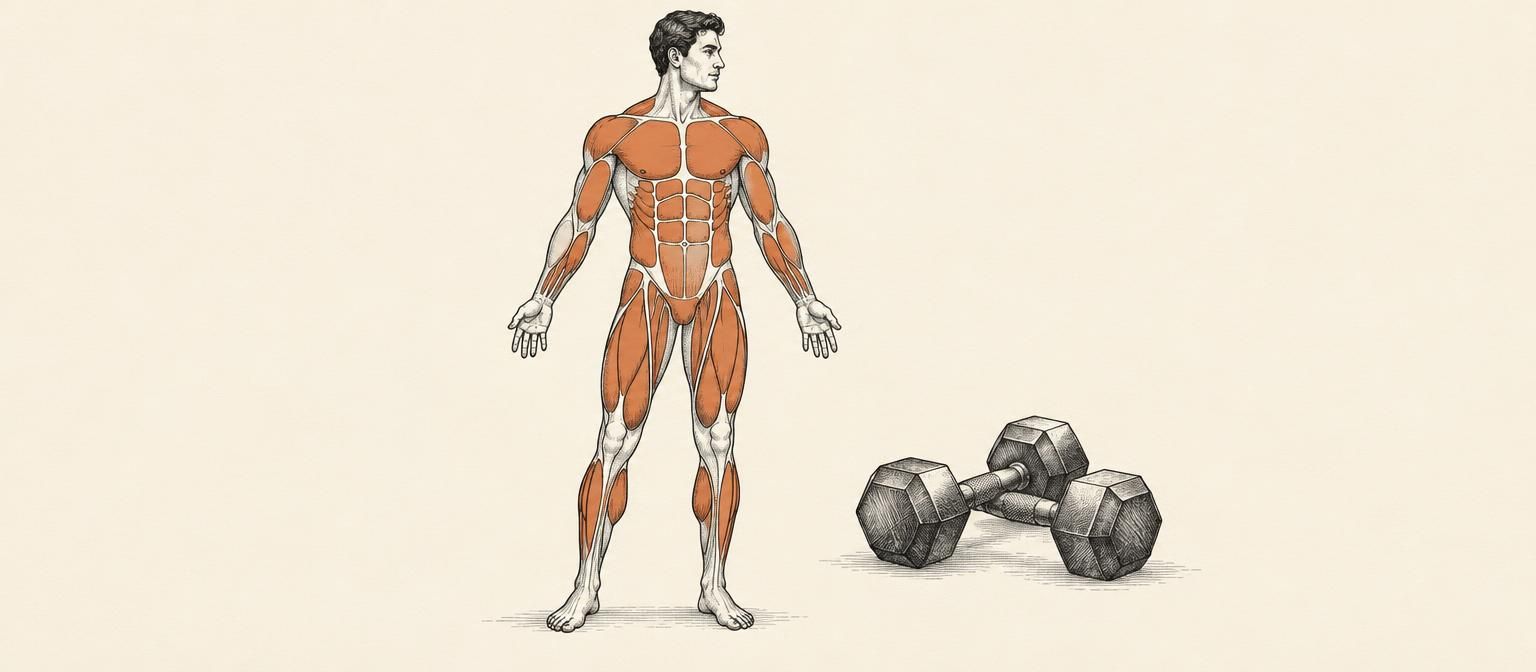
Segmental Muscle Mass
Segmental muscle mass shows how much muscle you carry in each arm, each leg, and your torso. It helps you spot left-right imbalances and see where training is working.
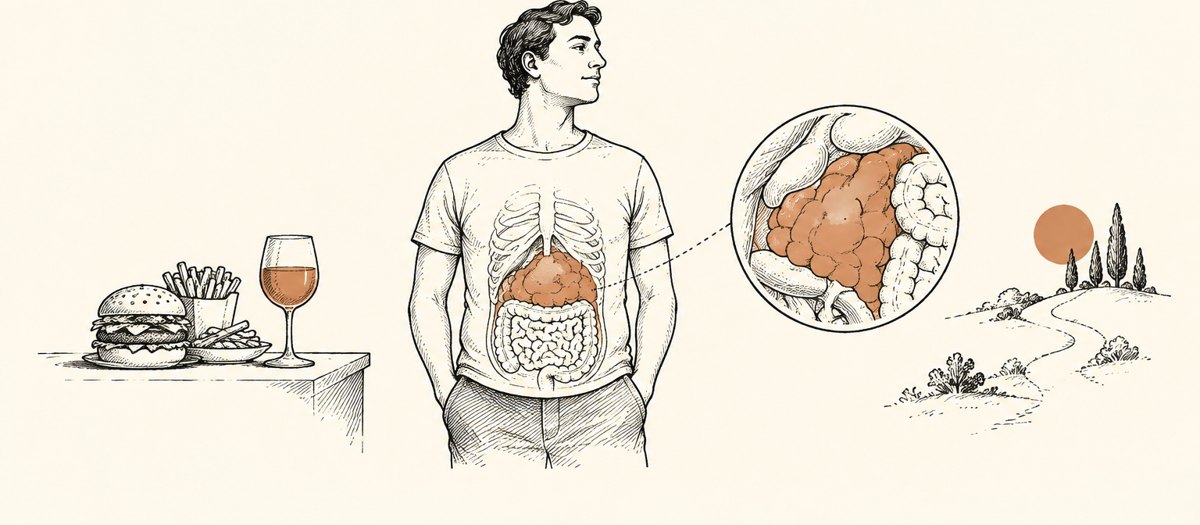
Visceral Fat
Visceral fat is fat stored around organs inside your abdomen. Higher amounts are linked with metabolic and heart health risks, but a scale’s rating is an estimate and cannot be directly compared with an imaging measurement.

Water Percentage
Water percentage estimates how much of your body weight is water. Smart scales infer it from electrical signals, and readings can shift with meals, exercise, and body composition; the number alone does not diagnose dehydration.

Weight
Body weight includes fat, muscle, bone, water, and other tissues. Short-term changes often reflect fluid or food rather than changes in body fat, so weight is best understood alongside longer-term trends and other measures.