Longevity & Cellular Health Biomarkers
Longevity biomarkers evaluate cellular maintenance, biological age indicators, and clearance of metabolic waste. Emerging research investigates markers like IGF-1, albumin, and epigenetic biological age clocks to understand the biological rate of aging over time. Members monitor longevity metrics to assess whether their long-term healthspan practices are producing meaningful biological results.
Tracked Biomarkers (6)
Biological aging markers, cellular resilience scores, and community tracking data.

ApoE Genotype
ApoE genotype describes inherited versions of a gene involved in moving fats through the body. Certain versions are associated with different disease risks, but they do not determine whether you will develop a condition or serve as a score to improve.

Biological Age (Epigenetic)
Epigenetic age tests use patterns of chemical marks on DNA to estimate an age-related signal. Different clocks can give different estimates, and a change in the score has not been established as proof that health or lifespan has improved.
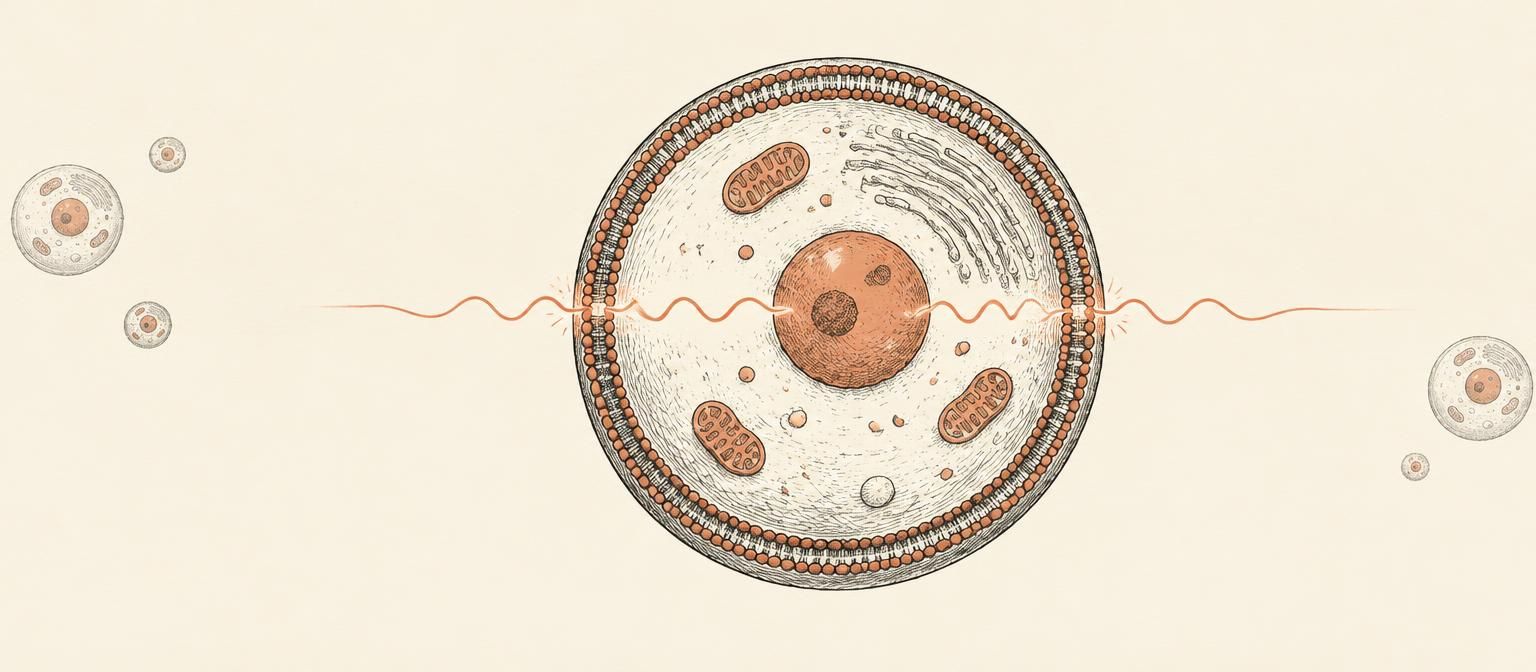
Cell Membrane Integrity (Phase Angle)
Phase angle uses a tiny electrical signal to estimate how healthy and intact your cell walls are. Higher values are linked with more muscle, better nutrition, and healthier aging.
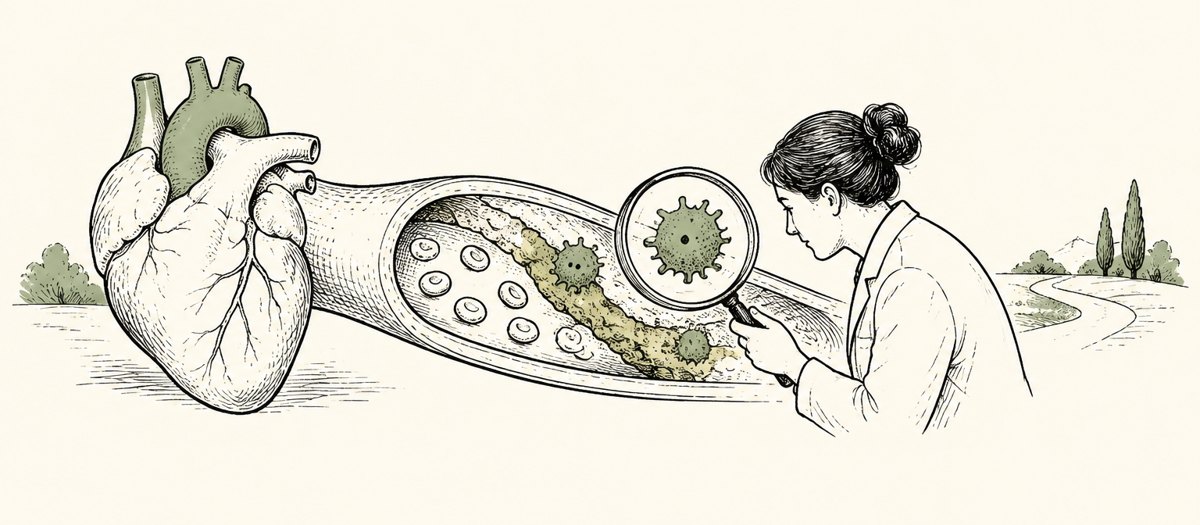
Lp-PLA2 (PLAC Test)
Lp-PLA2 is an enzyme carried on blood lipid particles that has been studied in relation to blood vessel inflammation. Tests may measure its amount or activity, which are not interchangeable, and it is not a stand-alone measure of heart disease risk.

p-tau217 (Alzheimer's Risk Marker)
P-tau217 measures a specific form of the tau protein associated with Alzheimer’s-related changes. Its role depends on the assay and clinical setting; it is not a general wellness score and a blood result alone does not establish a diagnosis.
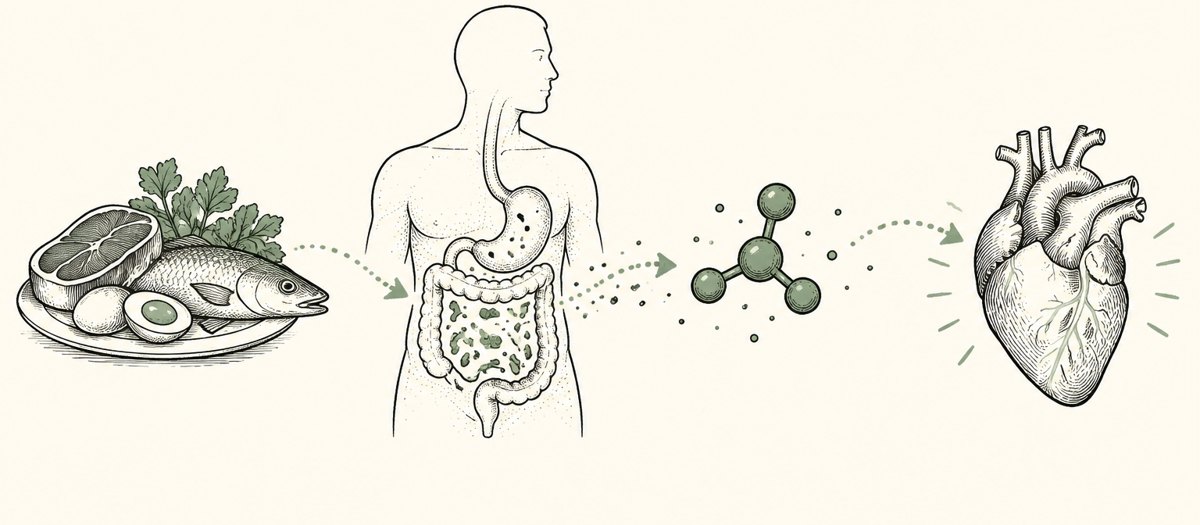
TMAO (Trimethylamine N-Oxide)
TMAO is a substance formed when the liver processes compounds produced by gut microbes from certain foods. Levels are also affected by kidney function, and links with heart disease do not establish a universal target or prove that changing TMAO changes risk.