Hormones Biomarkers
Hormone biomarkers measure endocrine messengers that regulate metabolism, reproduction, mood, muscle building, and sleep. Tracking markers such as testosterone, estradiol, DHEA-S, and cortisol helps pinpoint imbalances that affect daily energy and physical vitality. Members follow their hormone panels to understand how sleep, stress, nutrition, and therapies influence their endocrine health.
Tracked Biomarkers (20)
Reference ranges, clinical significance, and member tracking data for each hormone marker.
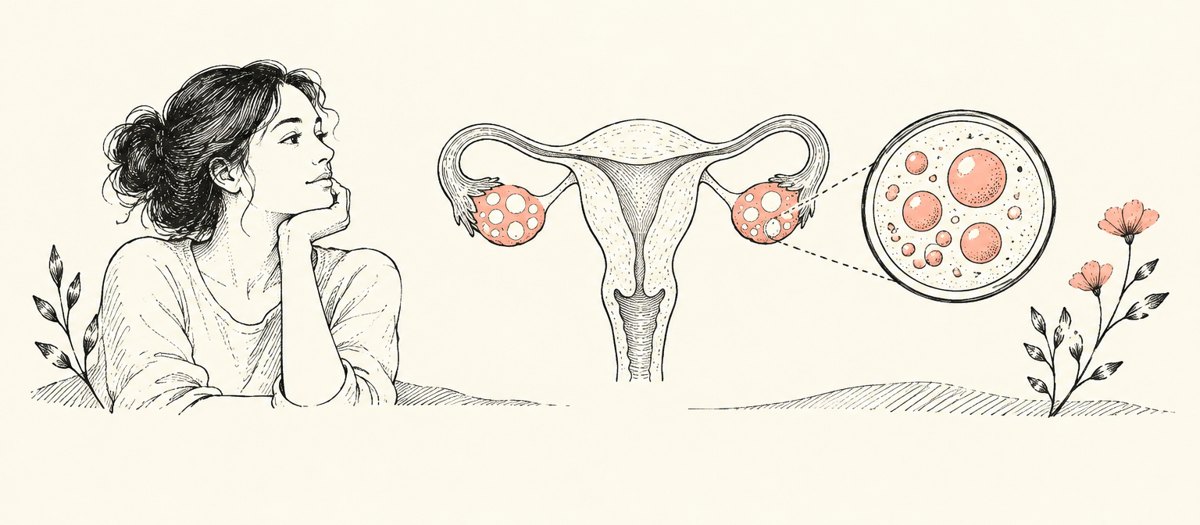
AMH (Anti-Müllerian Hormone)
AMH is a hormone made by cells around developing ovarian follicles. It can help estimate ovarian reserve in certain clinical settings, but it does not directly measure egg quality or reliably predict an individual’s chance of pregnancy.

Cortisol (Morning)
Cortisol is a hormone that helps regulate energy use, blood pressure, and the response to stress. Levels normally change throughout the day, so a morning result depends on collection time, sleep schedule, medicines, and the reason for testing.

DHEA-S
DHEA-S is a hormone made mainly by the adrenal glands that can be converted into other sex hormones. Levels change strongly with age and sex-related physiology, and the test is used to investigate specific hormone patterns rather than as a universal wellness target.
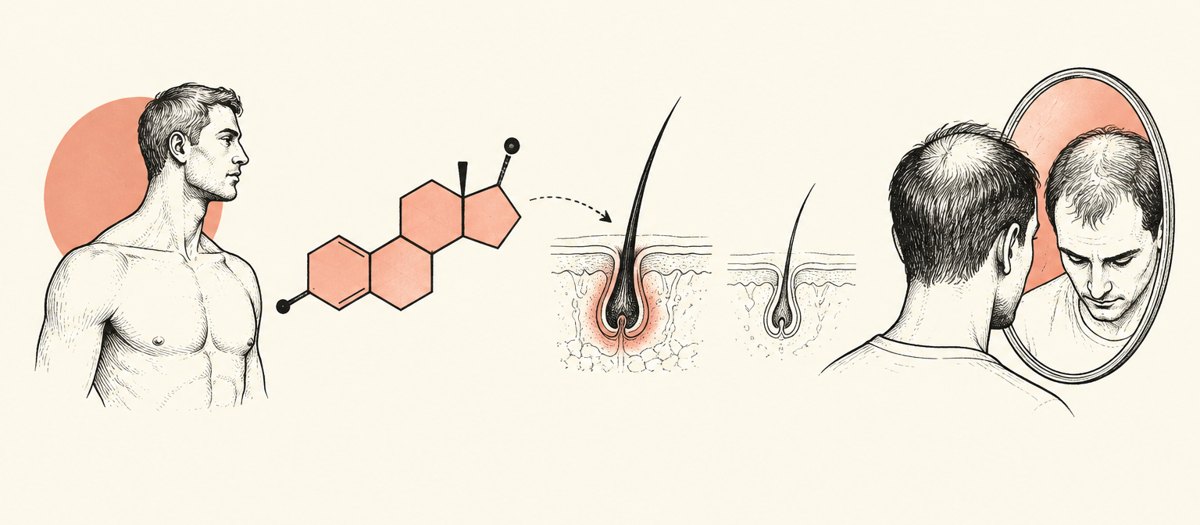
DHT (Dihydrotestosterone)
DHT is a hormone made from testosterone that acts in tissues such as skin, hair follicles, and the prostate. Blood levels are influenced by medicines and hormone metabolism and do not fully show how much DHT acts within individual tissues.
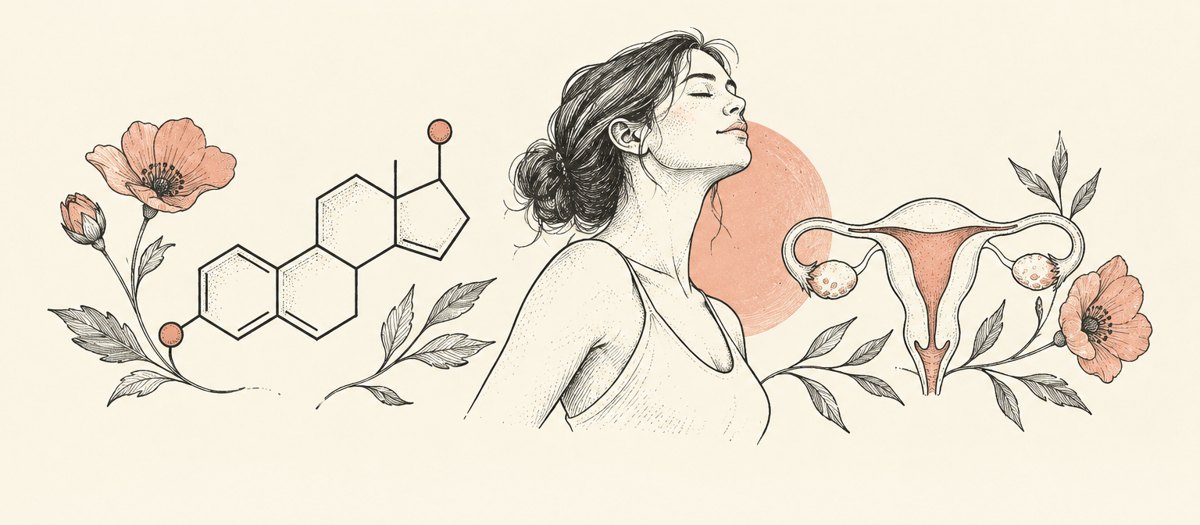
Estradiol (E2) — Female
Estradiol is a form of estrogen involved in reproductive function, bone health, and other body systems. This catalog entry uses a female reference context; interpretation also depends on cycle stage, pregnancy, menopause, and hormone medicines.
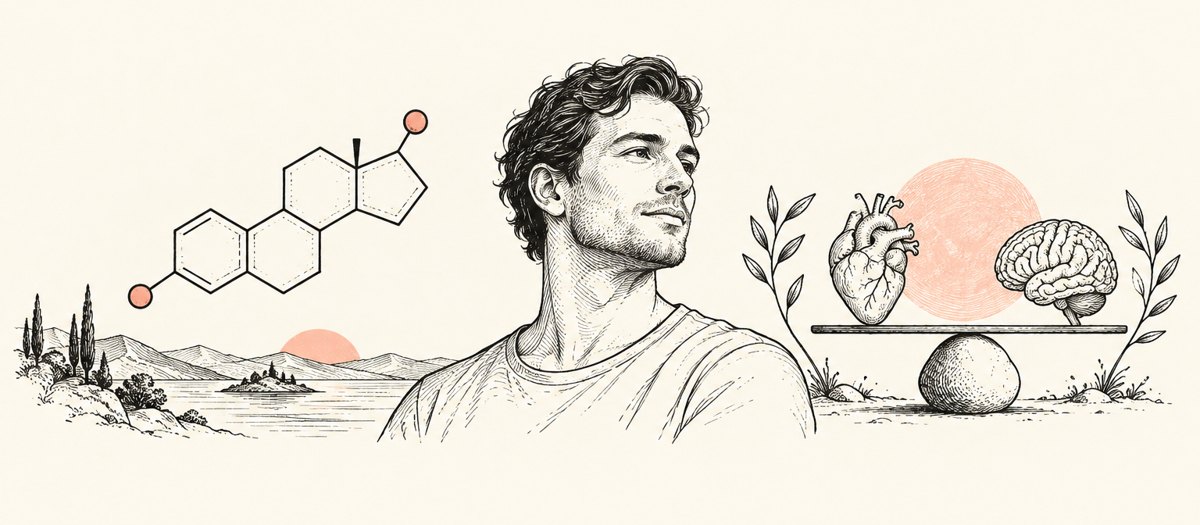
Estradiol (E2) — Male
Estradiol is a form of estrogen involved in bone health and reproductive function, including in people with testes. This catalog entry uses a male reference context, and results depend on the test method, medicines, and the wider hormone pattern.

Free PSA
Measures PSA not bound to proteins. Used alongside total PSA and a clinical assessment of prostate health. Do not treat the number as a wellness target.

Free Testosterone
Free testosterone is the portion of testosterone not attached to blood proteins. It can help clarify hormone status, but direct tests and calculated estimates differ substantially, so the laboratory method and reference interval are important.
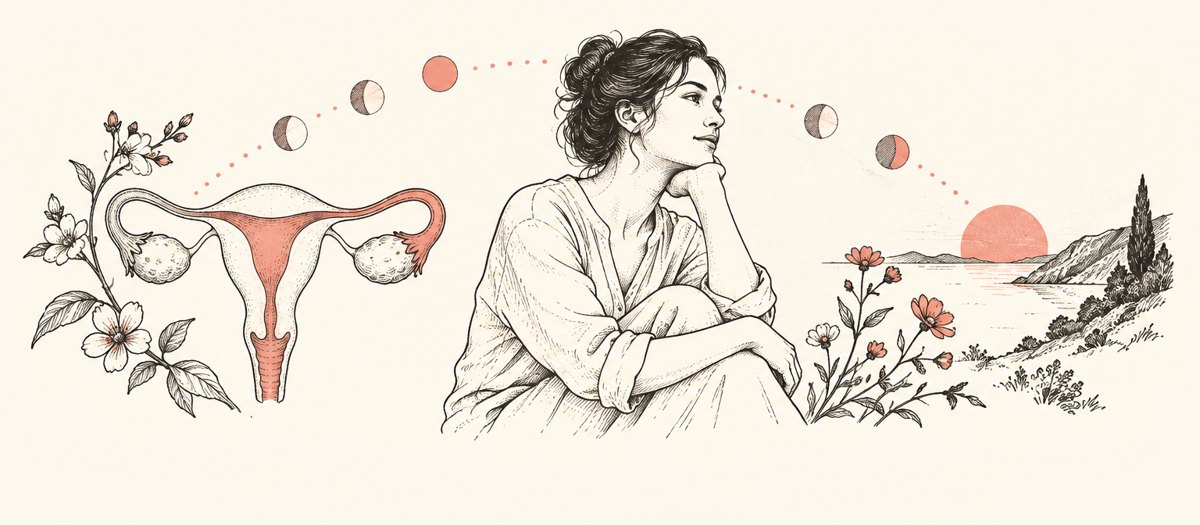
FSH — Female
FSH helps regulate the development of ovarian follicles. This entry uses a female reference context; levels change across the menstrual cycle and with menopause, so the timing and reason for testing are central to interpretation.
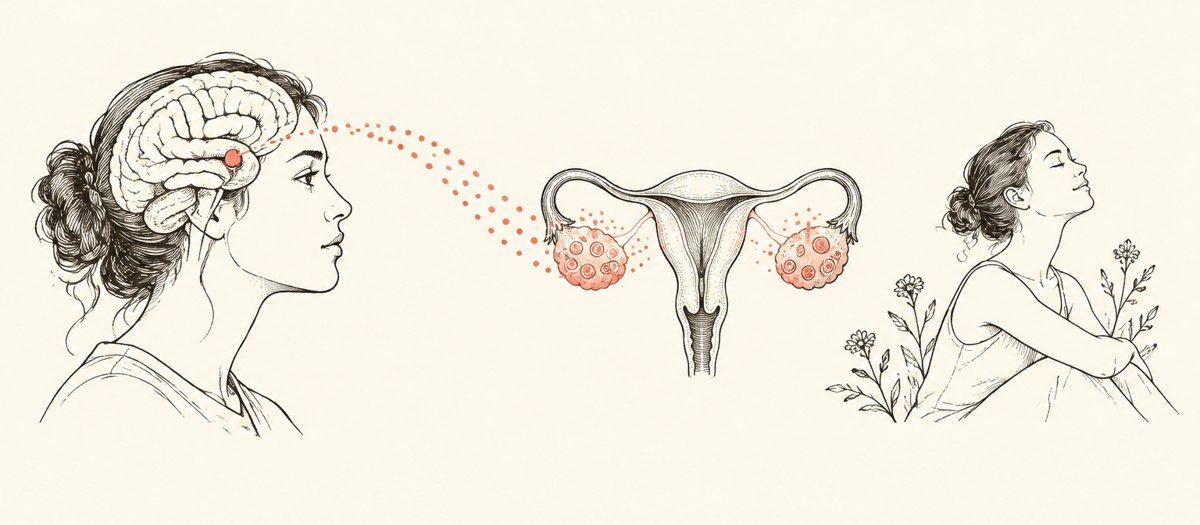
FSH (Follicle-Stimulating Hormone)
FSH is a hormone from the pituitary gland that supports egg development or sperm production. It is usually interpreted alongside other hormones and reproductive context, because both high and low levels can have different meanings.
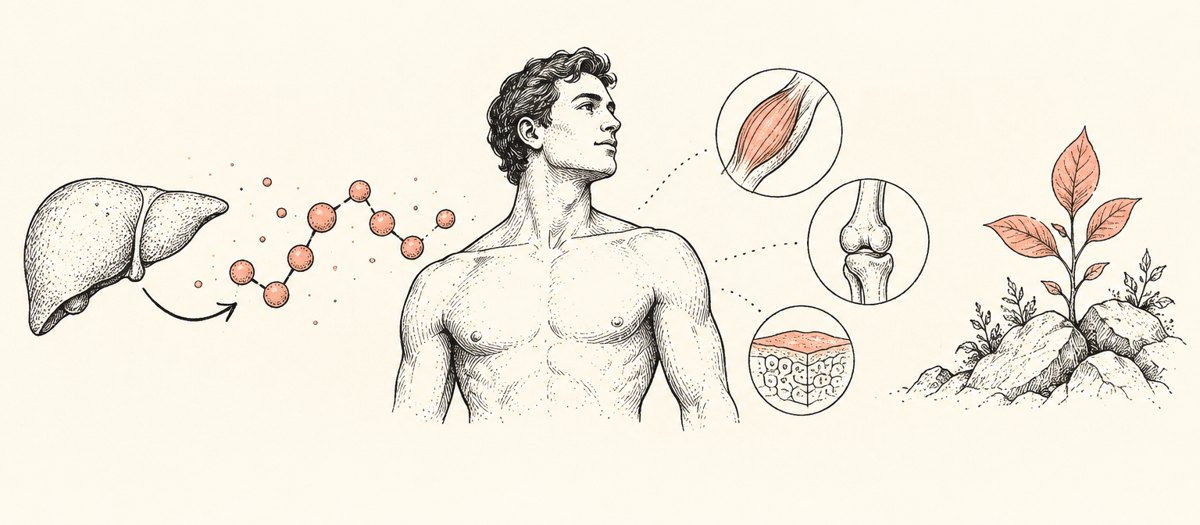
IGF-1 (Insulin-like Growth Factor-1)
IGF-1 is a hormone that carries many of growth hormone’s effects on growth and tissue maintenance. Levels vary greatly with age, nutrition, and test method, so neither a higher nor a lower result is universally better.
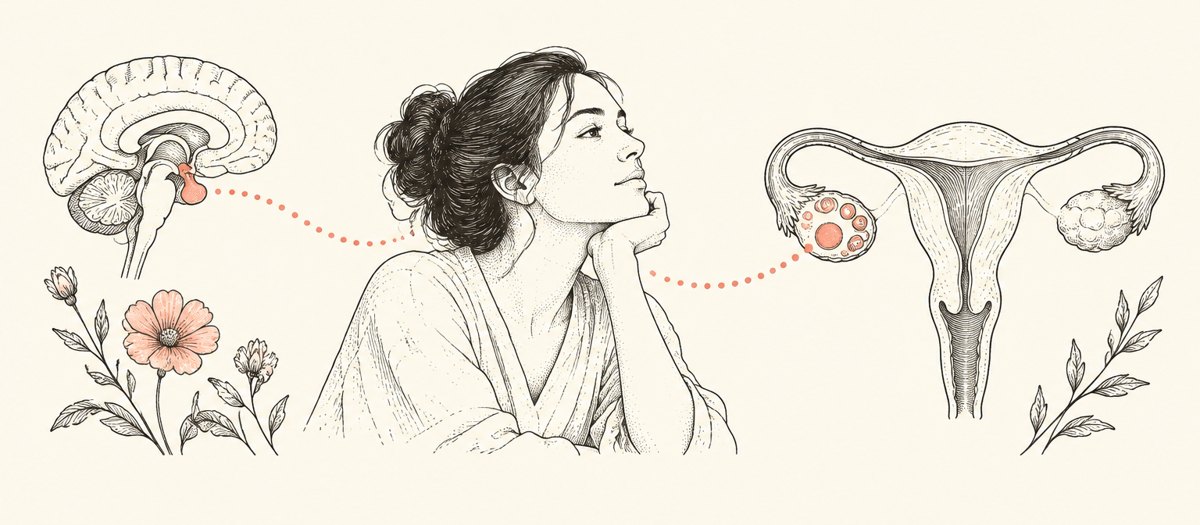
LH — Female
LH is a pituitary hormone whose rise helps trigger ovulation. This entry uses a female reference context; levels vary with cycle stage, menopause, and hormone medicines, and a single result does not confirm regular ovulation.
LH (Luteinizing Hormone)
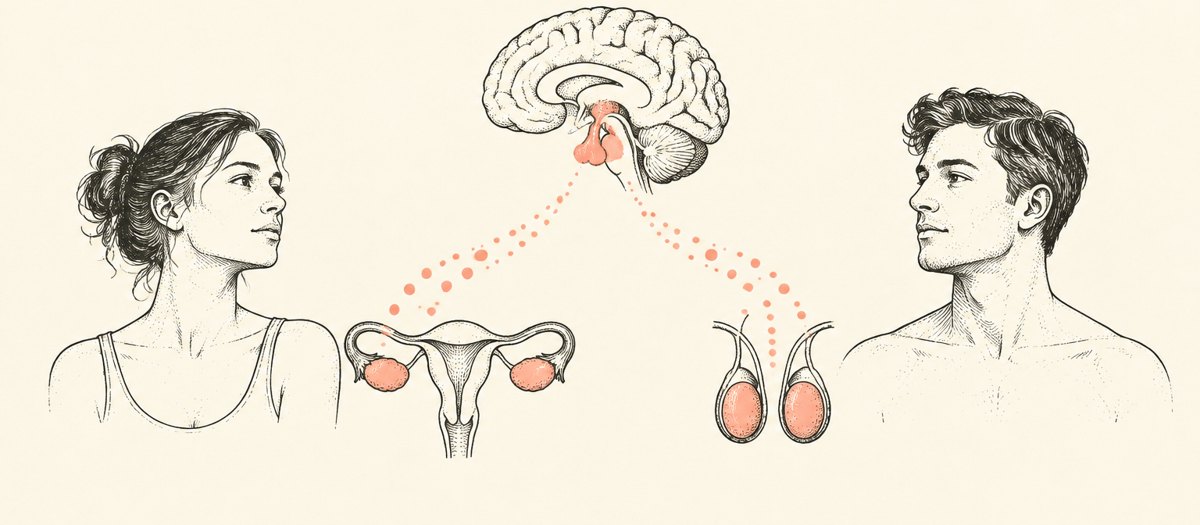
LH is a hormone from the pituitary gland that helps regulate ovulation or testosterone production. It is interpreted with other hormone tests and reproductive context, not as a number to continually raise or lower.

Percent Free PSA
Measures the share of total PSA that is unbound. Used alongside total PSA and a clinical assessment of prostate health. Do not treat the number as a wellness target.

Pregnenolone
Pregnenolone helps the body make several steroid hormones. A blood level does not reliably describe hormone activity throughout the body, and no universal wellness target is established.

Progesterone
Progesterone helps prepare the uterine lining for pregnancy and usually rises after ovulation. Its meaning depends on cycle timing, pregnancy, and hormone medicines; a result collected at the wrong time can be difficult to interpret.
Prolactin
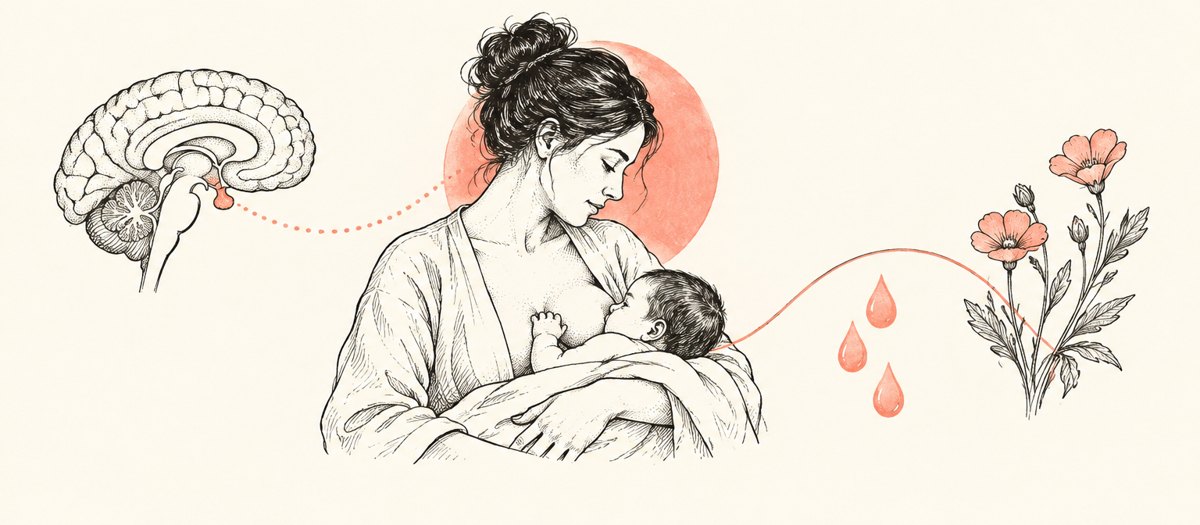
Prolactin is a pituitary hormone best known for supporting milk production. Levels can also change with sleep, stress, pregnancy, and medicines, so an unexpected result may need confirmation under appropriate collection conditions.
PSA (Prostate-Specific Antigen)
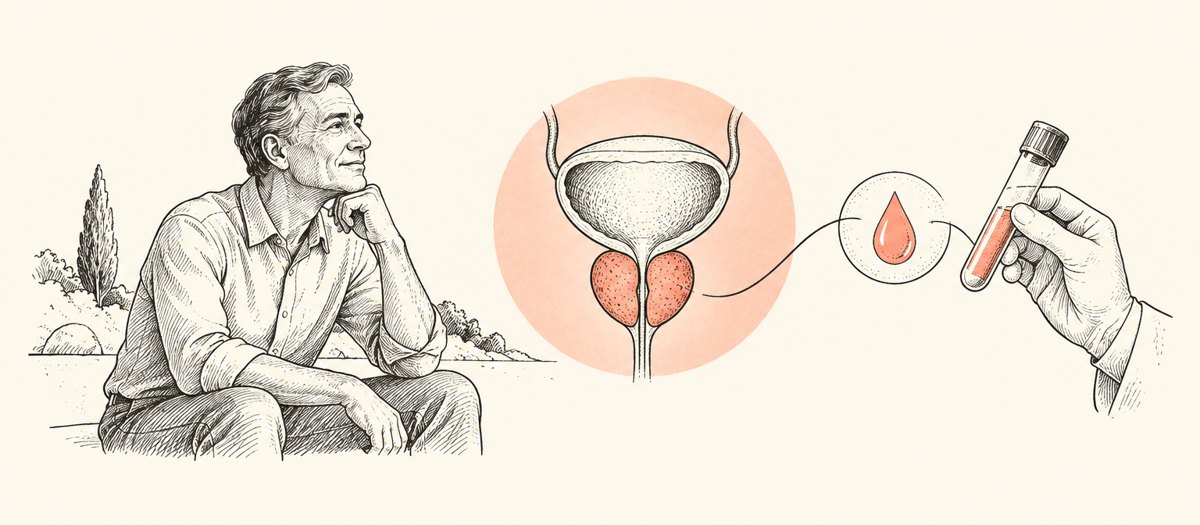
PSA is a protein made by prostate tissue that can be measured in blood. Levels may rise with prostate enlargement, inflammation, or recent procedures, and a result alone does not identify the cause or establish a diagnosis.
SHBG (Sex Hormone Binding Globulin)
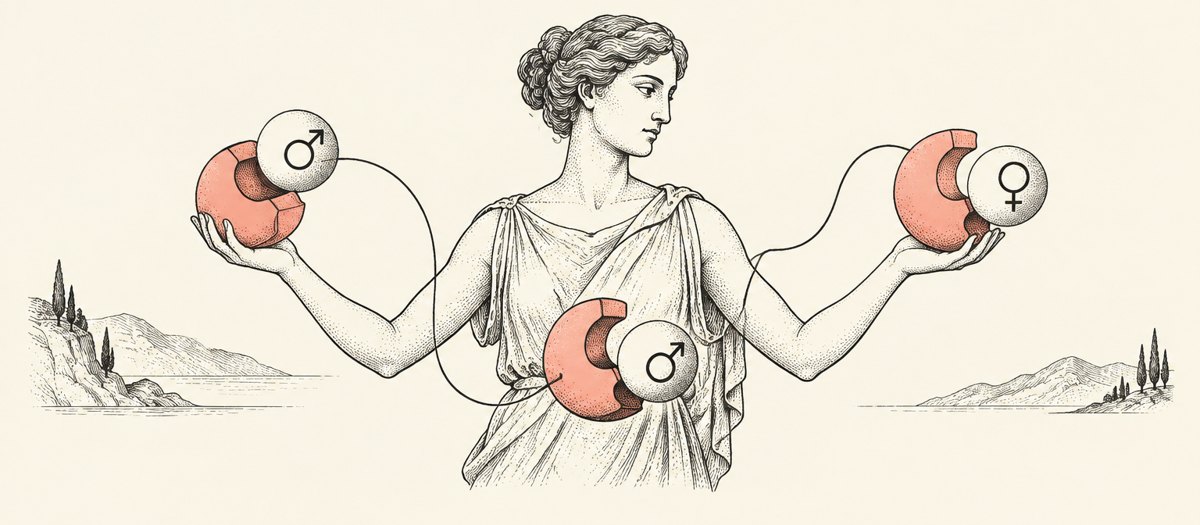
SHBG is a protein that binds hormones such as testosterone and estradiol in the blood. Changes in SHBG affect how much hormone is freely available, so it helps explain hormone results alongside total and free measurements.

Total Testosterone
Total testosterone measures both protein-bound and unbound testosterone in your blood. It supports reproductive function, muscle, and bone, but interpretation depends on age, sex-related physiology, medicines, and collection time; more is not always better.