Neurological & Brain Health Biomarkers
Neurological biomarkers evaluate cognitive processing speed, working memory, reaction time, and brain-derived signaling factors. Monitoring these markers helps individuals track mental acuity, focus, and neurological resilience across different phases of life. Members record cognitive performance and neural metrics to understand how sleep, exercise, and nootropics support brain clarity.
Tracked Biomarkers (5)
Cognitive performance benchmarks, reaction metrics, and neurological indicators.

EEG — Alpha Waves (8–12 Hz)
Alpha waves are a pattern of electrical brain activity often seen during relaxed wakefulness, especially with eyes closed. Their amount depends on recording location, eye state, and equipment; more alpha activity is not automatically a sign of better mental health.

EEG — Delta Waves (0.5–4 Hz)
Delta waves are slow patterns of electrical brain activity often associated with deep sleep. Consumer headset estimates depend on recording quality and do not by themselves establish sleep quality or diagnose a neurological condition.
EEG — Theta Waves (4–8 Hz)
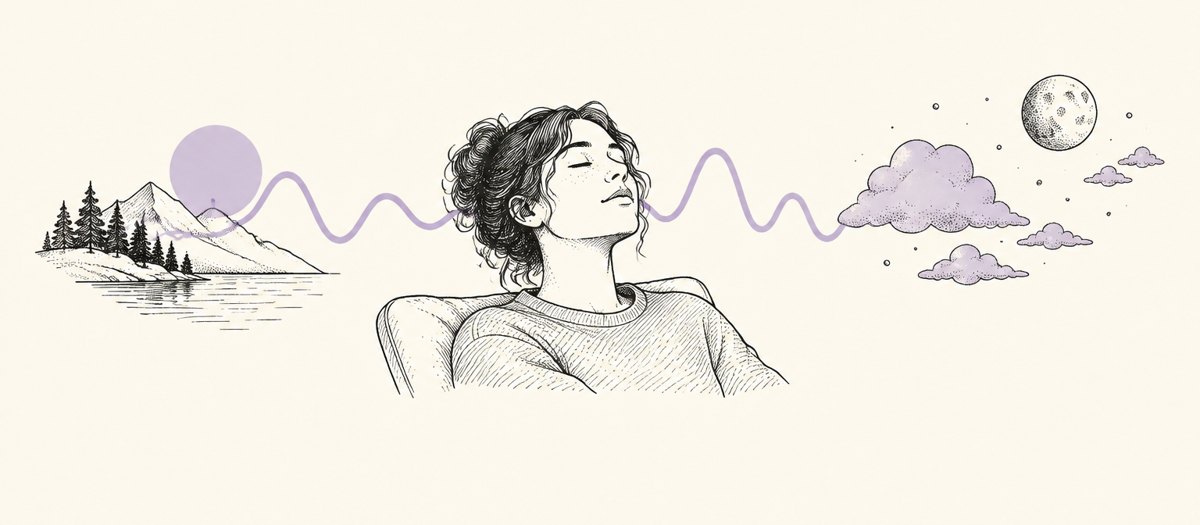
Theta waves are a pattern of electrical brain activity seen in several states, including drowsiness and some learning tasks. Their meaning depends on age, recording location, and context, rather than a universal goal to increase or decrease them.
Nerve Health Score (ESC)
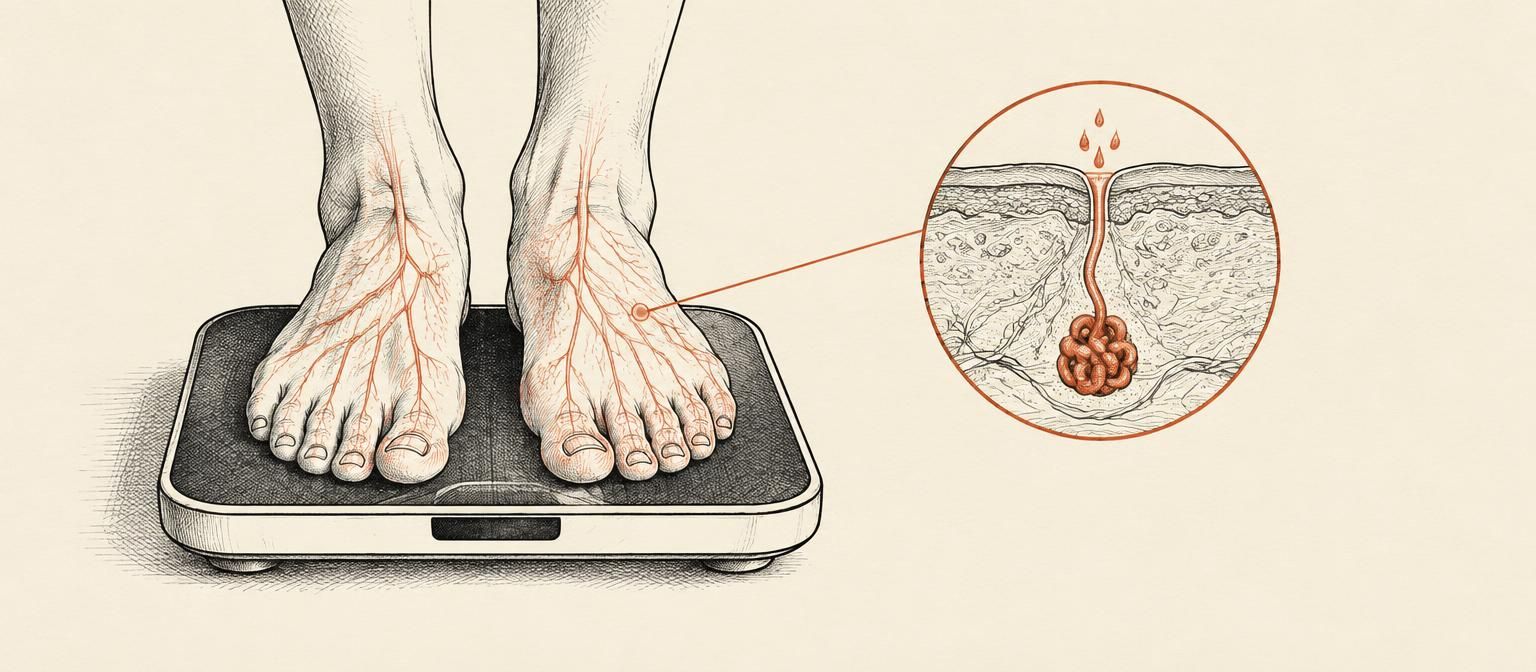
The nerve health score checks the small nerves in your feet by measuring how well your sweat glands respond to a tiny current. Lower scores can be an early sign of nerve damage, often linked to blood sugar.

Stress Score (EDA/HRV-derived)
A device stress score uses signals such as skin electrical activity or heart-rate variability to estimate physical arousal. Exercise, temperature, illness, and emotions can all influence those signals, so the score does not directly measure psychological stress.