Lipids & Cholesterol Biomarkers
Lipid biomarkers measure cholesterol particles and fats circulating in the bloodstream, providing foundational insight into heart and blood vessel health. Tracking markers like LDL, HDL, ApoB, and triglycerides helps assess cardiovascular risk long before symptoms ever appear. Members monitor their lipid numbers over time to see how dietary choices, exercise, and medications shift their cardiovascular profile.
Tracked Biomarkers (21)
Optimal targets, reference ranges, and community insights for lipid and cholesterol markers.
ApoA1
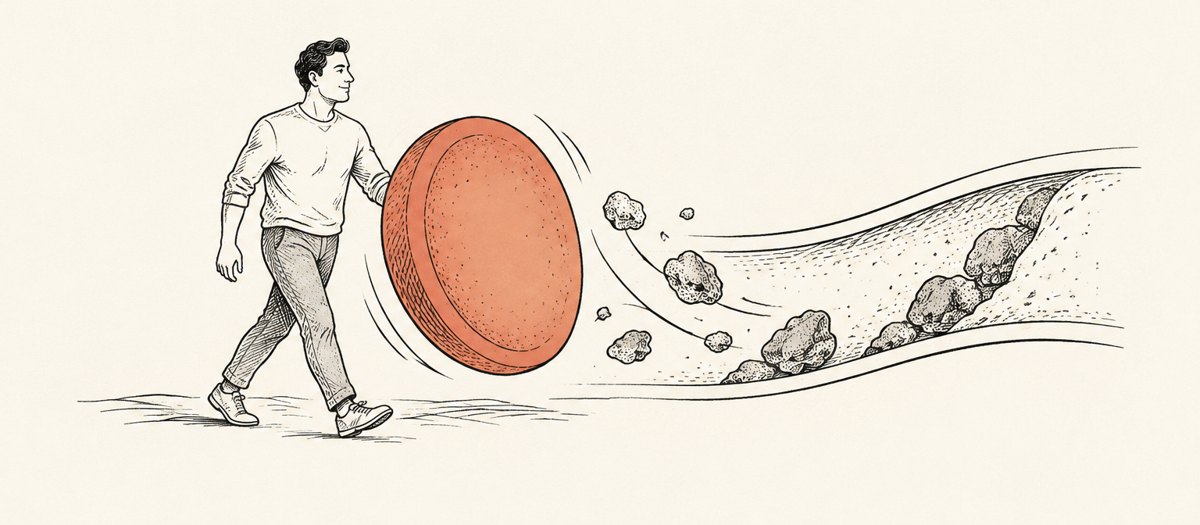
ApoA1 is the main protein on HDL particles and helps move cholesterol between tissues and the liver. It adds information about lipid transport, but its blood level does not directly measure how well HDL functions.

ApoB / ApoA1 Ratio
Compares ApoB, found on several plaque-forming particles, with ApoA1, a main HDL protein. Use both measurements from the same sample in the same units.
Apolipoprotein B (ApoB)
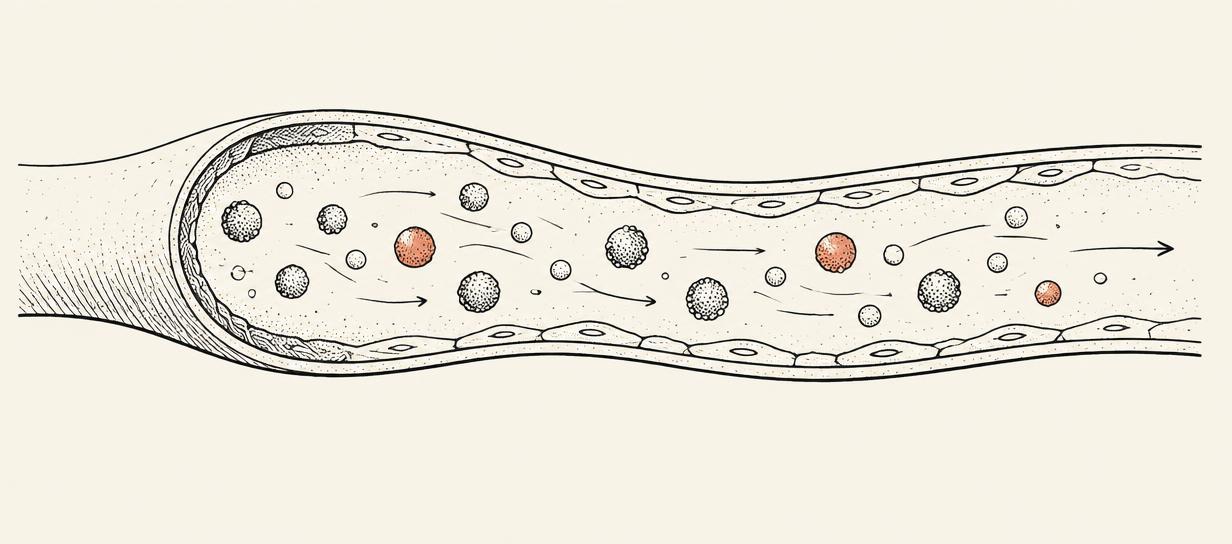
ApoB is a protein on particles that carry cholesterol through your blood. Measuring it helps estimate how many of these particles are circulating. Some can deposit cholesterol in artery walls, so ApoB helps assess heart and blood vessel risk alongside other lipid tests.
HDL Cholesterol
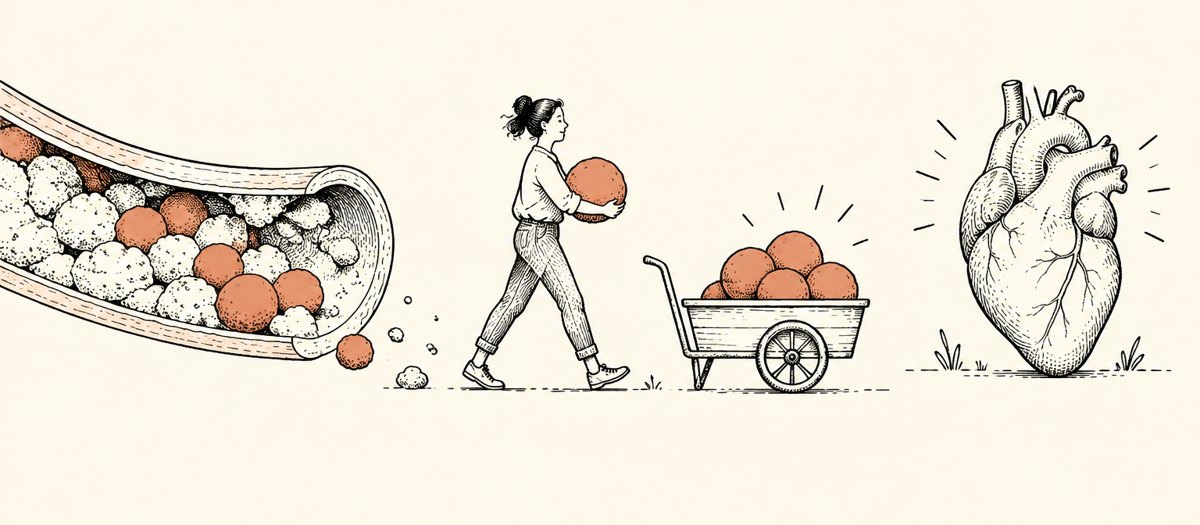
HDL cholesterol measures the cholesterol carried by HDL particles, which help transport it back to the liver. Low levels can signal greater heart disease risk, but a high result does not guarantee protection, and simply raising HDL has not reliably reduced that risk.

HDL Particle Number (HDL-P)
HDL-P counts HDL particles using an NMR lipid test. It is not HDL cholesterol or Quest HDL Large. A higher number does not prove that changing it will improve health.

Large HDL Particles (Ion Mobility)
Quest ion mobility counts large HDL particles. This is not an NMR large-HDL measurement in µmol/L; those assays are not interchangeable. There is no proven benefit from chasing this number alone.

LDL / ApoB Ratio
The ratio compares LDL cholesterol with ApoB from the same blood draw. It is a rough clue about cholesterol per particle, not a direct particle-size test or a stand-alone risk score.
LDL Cholesterol
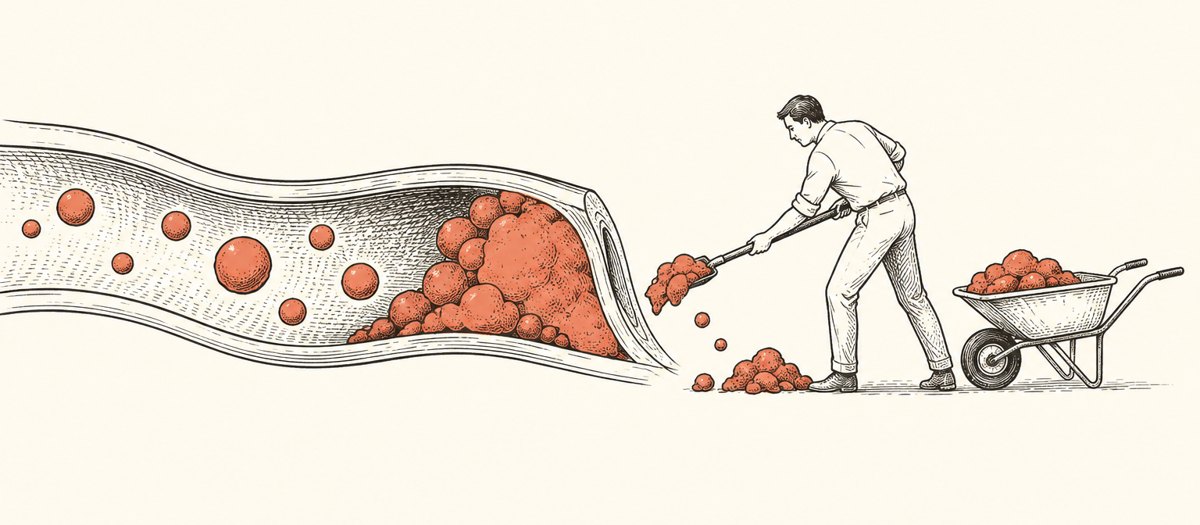
LDL cholesterol measures the cholesterol carried by LDL particles in your blood. These particles can contribute to plaque in artery walls, making LDL an important part of heart disease risk assessment alongside other lipids and your health history.

LDL Particle Number (LDL-P)
LDL-P counts LDL particles rather than the cholesterol inside them. A person can have an LDL cholesterol result and particle count that suggest different levels of risk. Ion-mobility and NMR tests use different methods.

LDL Pattern
An advanced lipid report may describe LDL size as Pattern A, Pattern B or an intermediate pattern. It is a category, not a numerical result.

LDL Peak Size
The diameter of the most common LDL particle size in the tested sample. Different methods report different ranges; a size result cannot replace ApoB or other cardiovascular assessment.
Lipoprotein(a) — Lp(a)
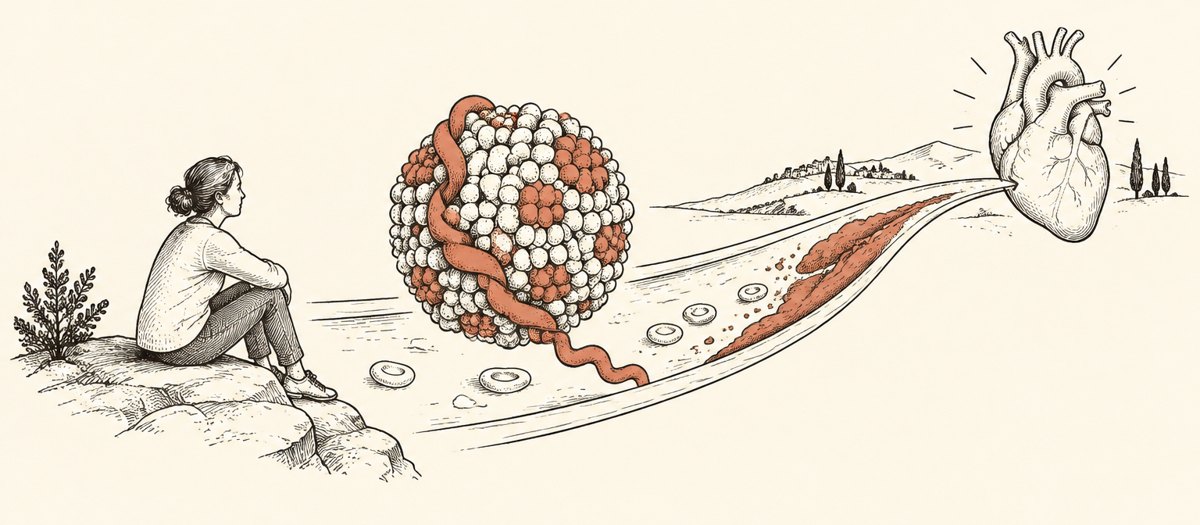
Lp(a) is a cholesterol-carrying particle whose level is largely inherited. Higher levels are linked with heart disease and aortic valve disease risk; mass and particle-count units are different and cannot be converted with one reliable factor.

Medium LDL Particles
A count of medium-sized LDL particles from an advanced lipid test. It adds detail to a lipid panel but does not by itself establish a treatment plan.
Non-HDL Cholesterol
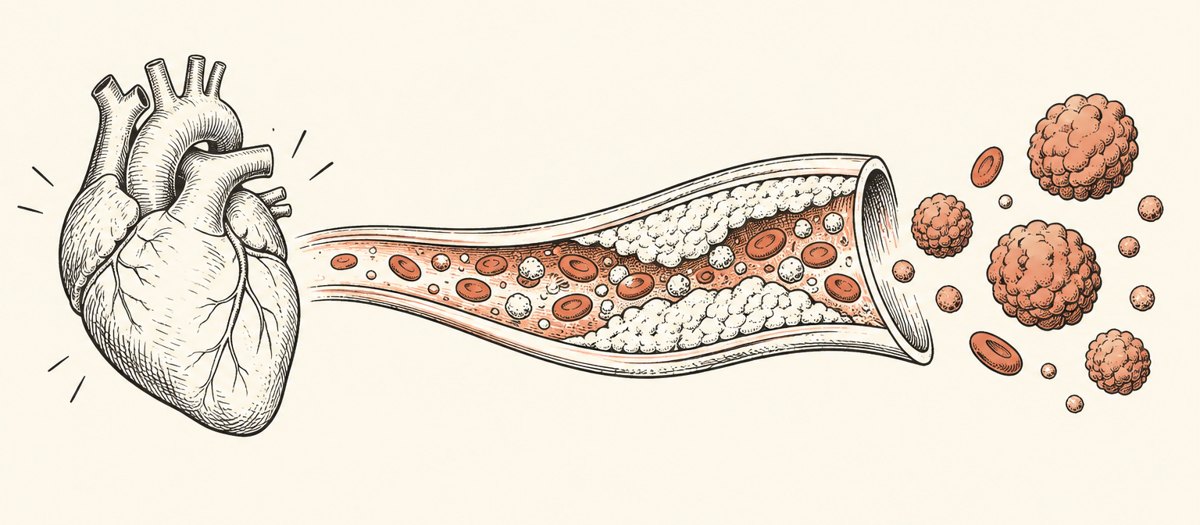
Non-HDL cholesterol is total cholesterol minus HDL cholesterol. It captures cholesterol carried by several particles that can contribute to artery plaque, including LDL, and can add useful context when triglycerides are elevated.

Remnant Cholesterol
Remnant cholesterol estimates the cholesterol carried by triglyceride-rich particles. It is often calculated as total cholesterol minus HDL cholesterol minus LDL cholesterol, using results from the same sample.

Small Dense LDL Cholesterol (sdLDL-C)
sdLDL-C measures the cholesterol carried by small dense LDL particles. It is not a particle count and cannot be substituted for a report labeled LDL Small in nmol/L.
Small LDL Particles
This test counts small LDL particles. It is different from small dense LDL cholesterol, which measures cholesterol mass in mg/dL. Do not convert one into the other.

TC:HDL Ratio
The total cholesterol to HDL ratio compares your overall cholesterol with the amount carried by HDL. It is one way to summarize a lipid panel, but the ratio can hide important differences in LDL, ApoB, and other individual results.

TG:HDL Ratio
The triglyceride to HDL ratio compares two parts of your lipid panel. It has been studied in relation to metabolic health, but it is not a diagnosis of insulin resistance and its numerical value depends on the units used.
Total Cholesterol
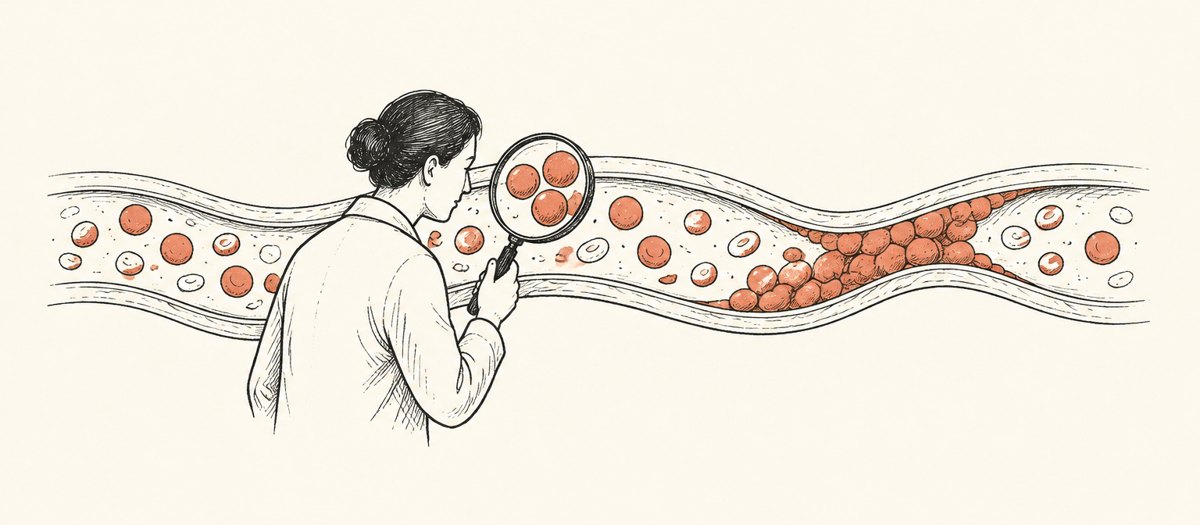
Total cholesterol includes cholesterol carried by several kinds of particles, including LDL and HDL. Your body needs cholesterol, but the total alone cannot show heart disease risk without knowing how it is distributed among those particles.
Triglycerides
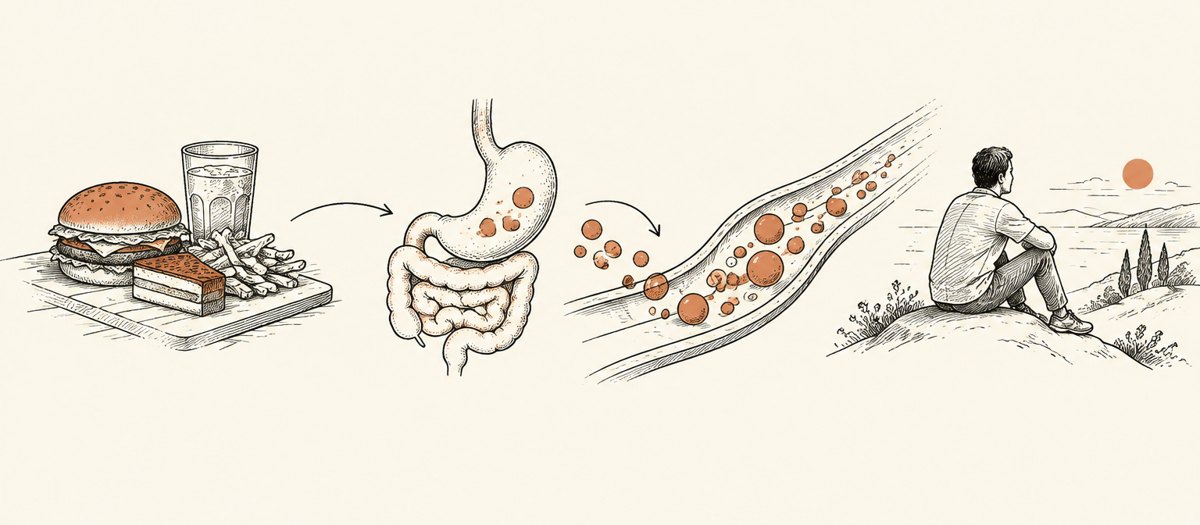
Triglycerides are fats your body uses to store and transport energy. Blood levels can change after meals and with alcohol, medicines, and metabolic conditions, so fasting status and the rest of your lipid panel help explain a result.