Supplements & Botanicals Health Practices
Supplements and botanical practices involve vitamins, minerals, and plant-derived compounds taken to complement nutrition and target specific health goals. Many people use targeted supplementation to help fill nutrient gaps, support mitochondrial function, and maintain healthy inflammatory balance. Members record daily supplements to discover what combinations move their biomarkers and enhance overall wellbeing.
Tracked Practices (58)
Explore over-the-counter supplements, member regimens, and reported lab outcomes.

5-HTP
A compound the body turns into serotonin, a brain messenger tied to mood and sleep. People take it for sleep and mood. It should not be combined with antidepressants without a doctor's okay.
Alpha-Lipoic Acid (ALA)
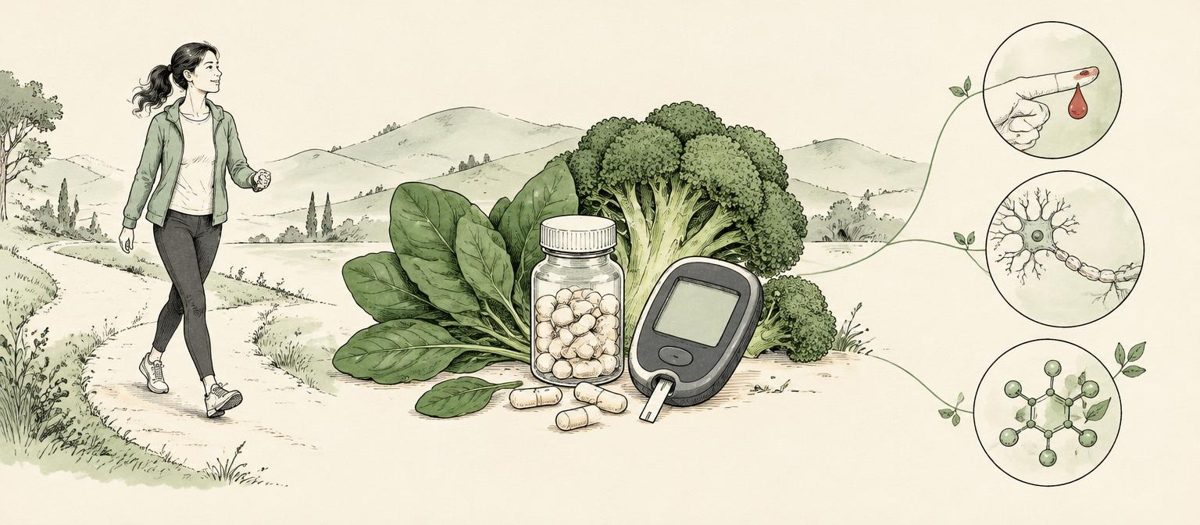
An antioxidant your body makes in small amounts. Taken as a supplement to help support healthy blood sugar and nerve comfort. It can lower blood sugar, so people on glucose medicines watch closely.
Apigenin
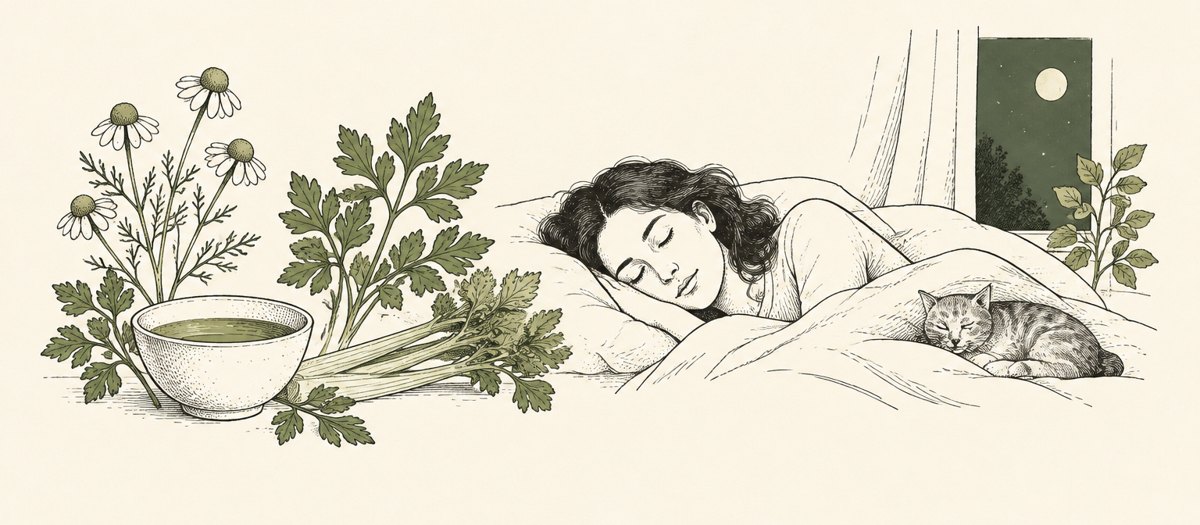
A natural plant compound found in chamomile, parsley, and celery. Popular as a bedtime supplement and studied for its potential role in calm and sleep.
Apple Cider Vinegar
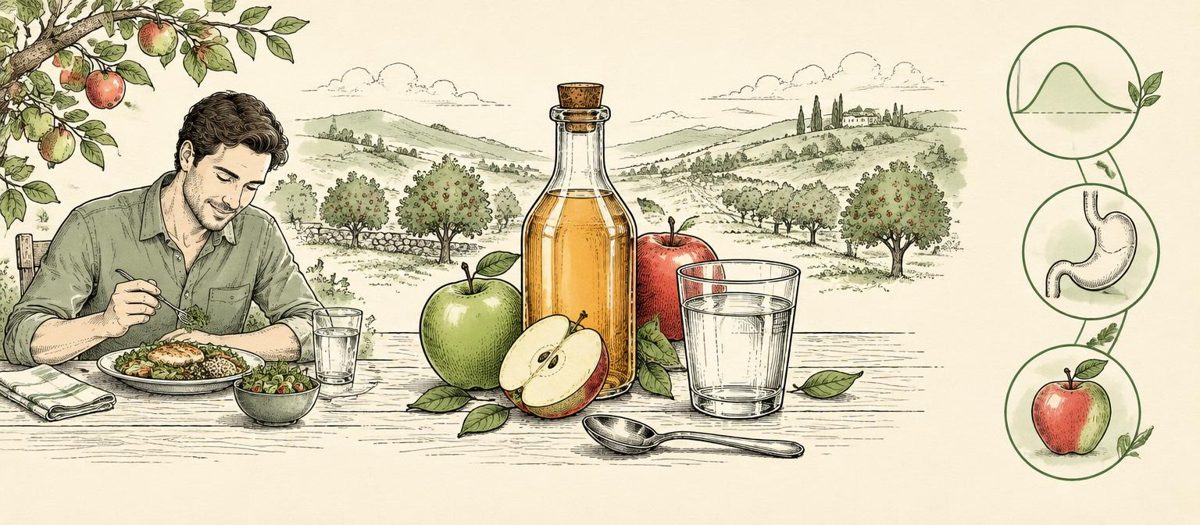
Vinegar made from fermented apples, often diluted in water before meals. Studied for its potential to soften blood sugar spikes after eating. Drinking it straight can irritate the throat and teeth.

Ashwagandha
An herb used for centuries in Ayurvedic medicine and now a popular supplement. Commonly taken to help the body handle stress and studied for its potential effects on sleep, cortisol, and calm.
B-Complex Supplementation
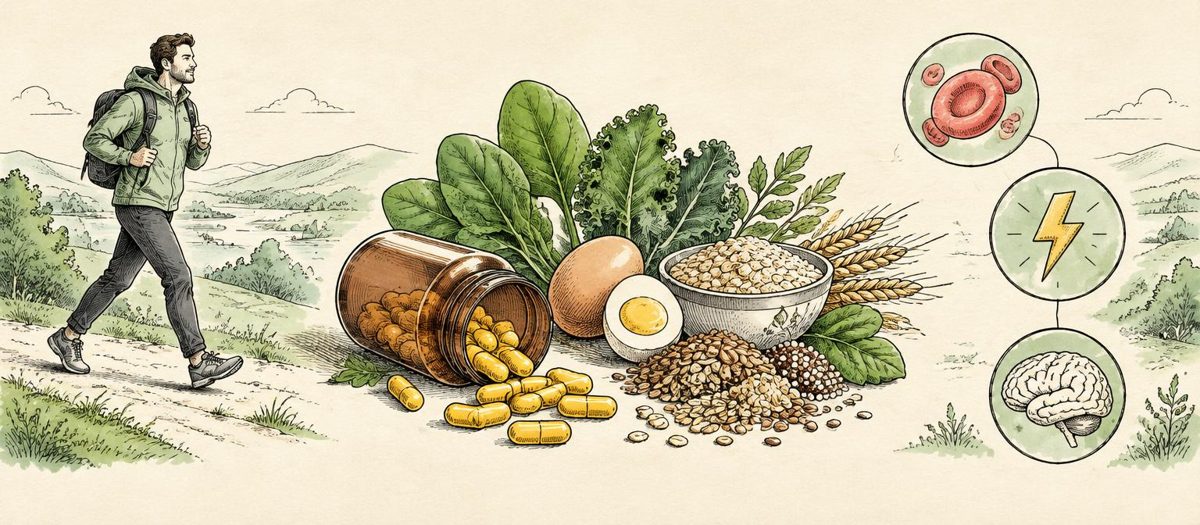
A single supplement that combines the eight B vitamins. Commonly taken to help support energy, mood, and healthy red blood cells, and studied for its role in lowering homocysteine.
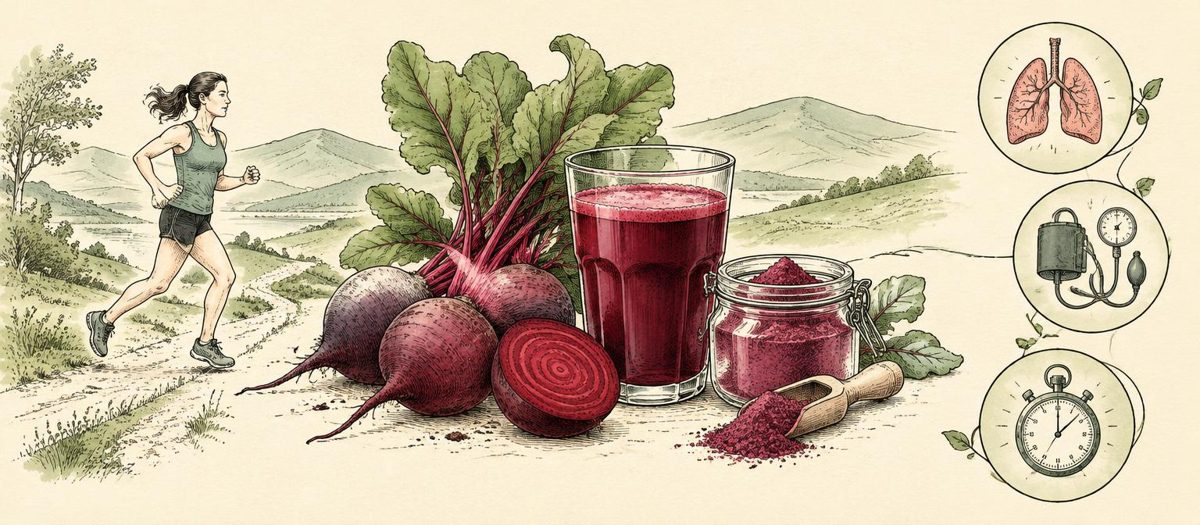
Beetroot Extract
A concentrated source of natural nitrates from beets, taken as juice or powder. Popular with athletes and studied for its effect on blood pressure and exercise endurance. It can turn urine pink.
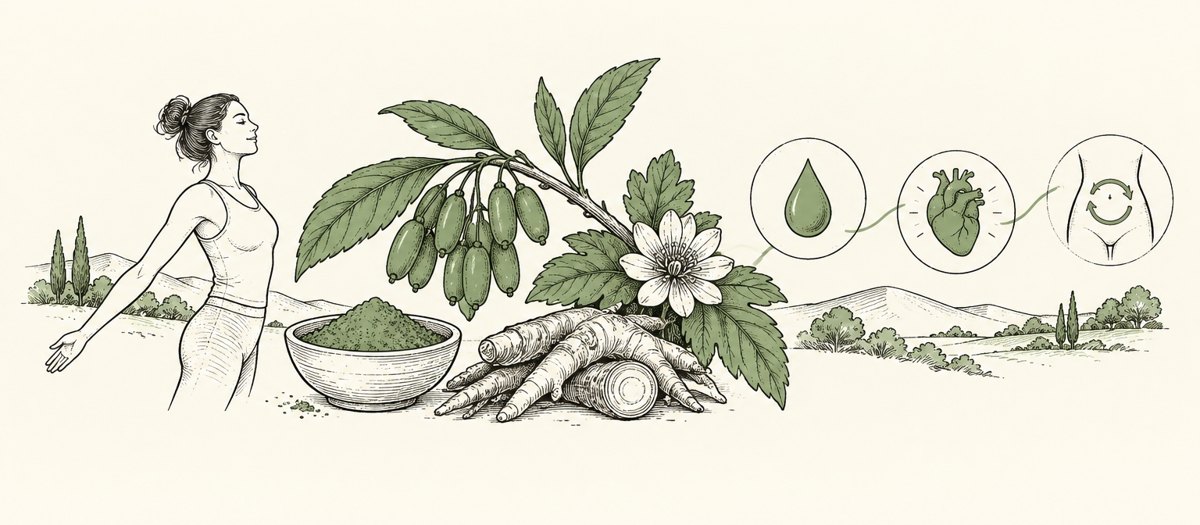
Berberine
A natural compound found in plants like goldenseal and barberry. Studied for its potential role in supporting healthy blood sugar, cholesterol, and metabolic health.
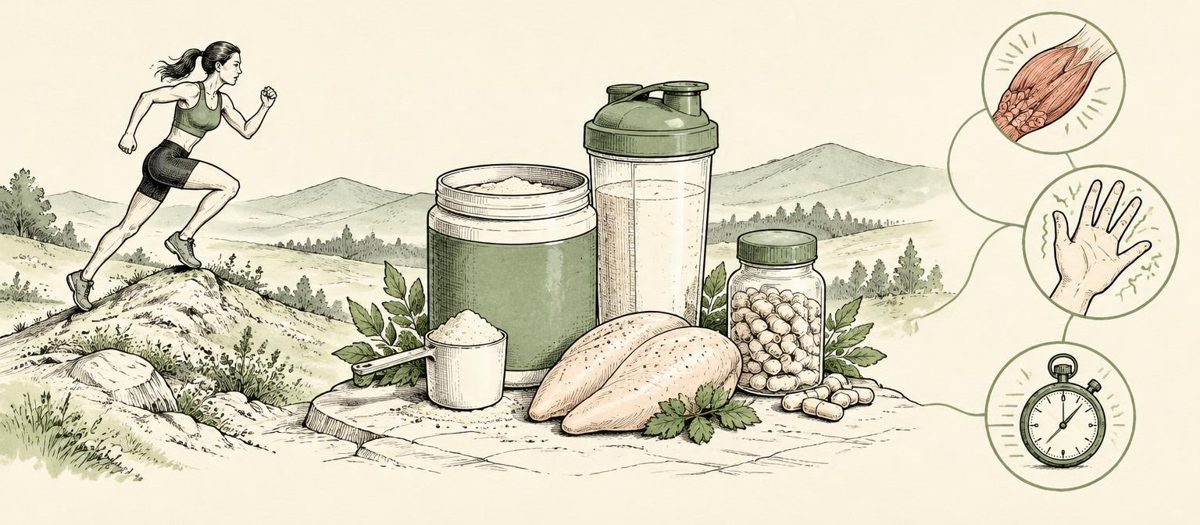
Beta-Alanine
An amino acid that helps muscles buffer acid during hard exercise. Common in pre-workout drinks. A harmless tingling feeling on the skin is a well-known side effect.
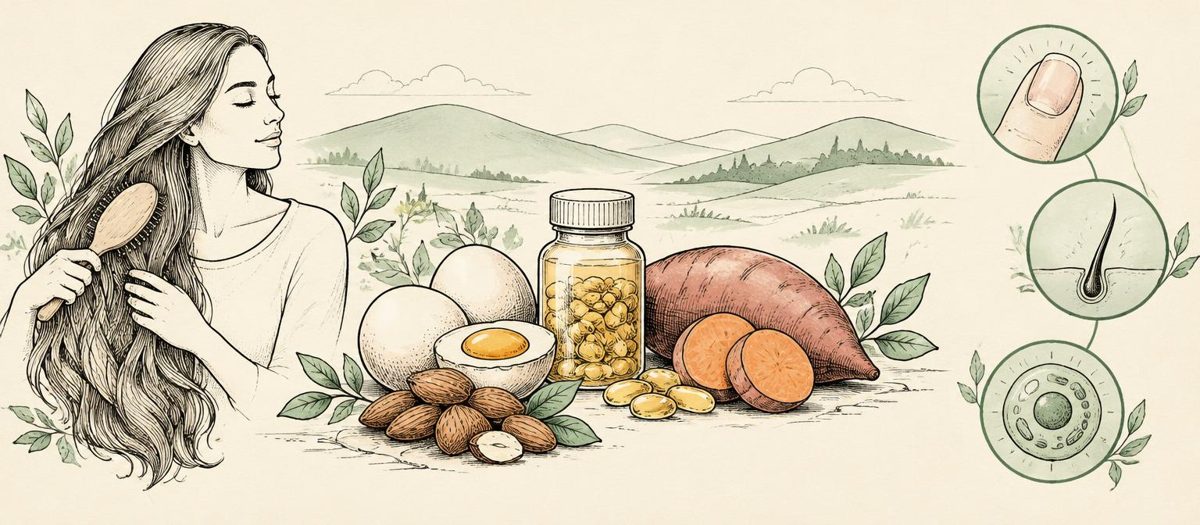
Biotin
Biotin, also called vitamin B7, helps the body use fats and carbs. It is a popular supplement for hair and nails. High doses can throw off some lab tests, like thyroid and heart tests, so many people pause it before bloodwork.
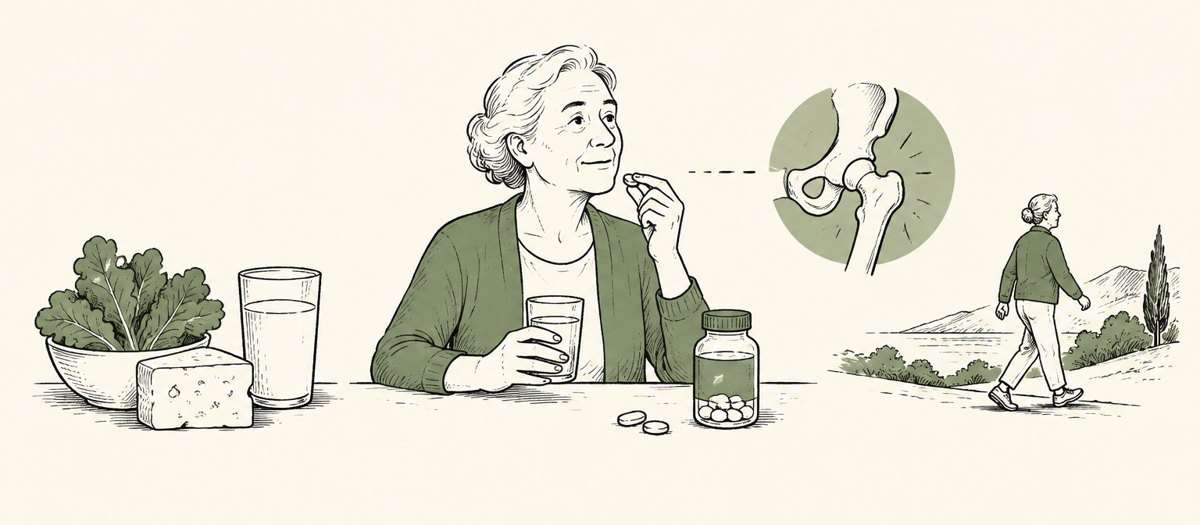
Calcium Supplementation
Taking calcium supplements, often with vitamin D, when your diet falls short. Commonly used to help support bone health, especially for older adults.
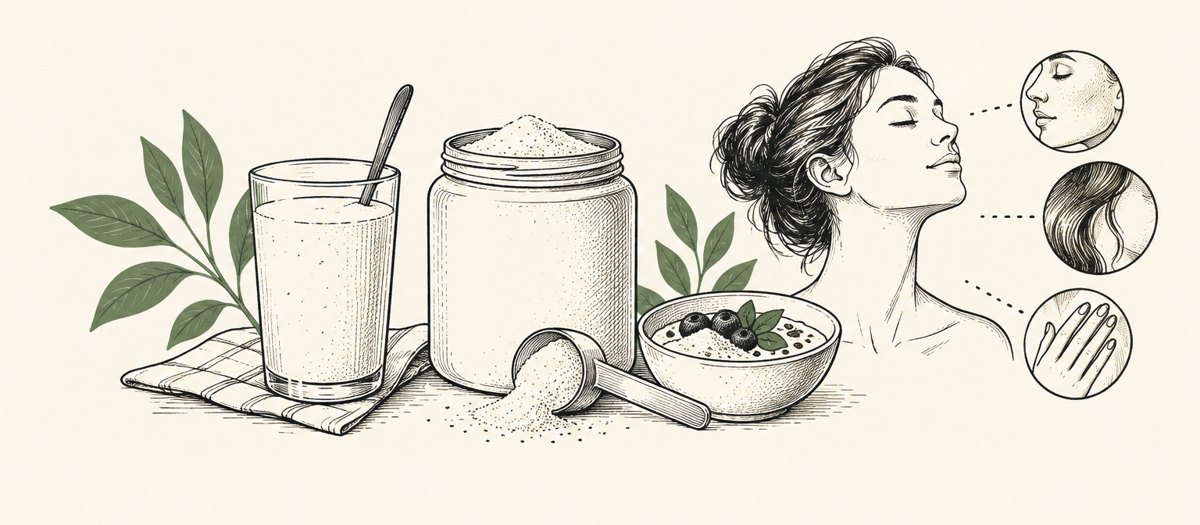
Collagen Peptides
A protein supplement made from animal connective tissue, usually mixed into drinks or food. Popular among people hoping to help support skin, hair, nails, and joint comfort.
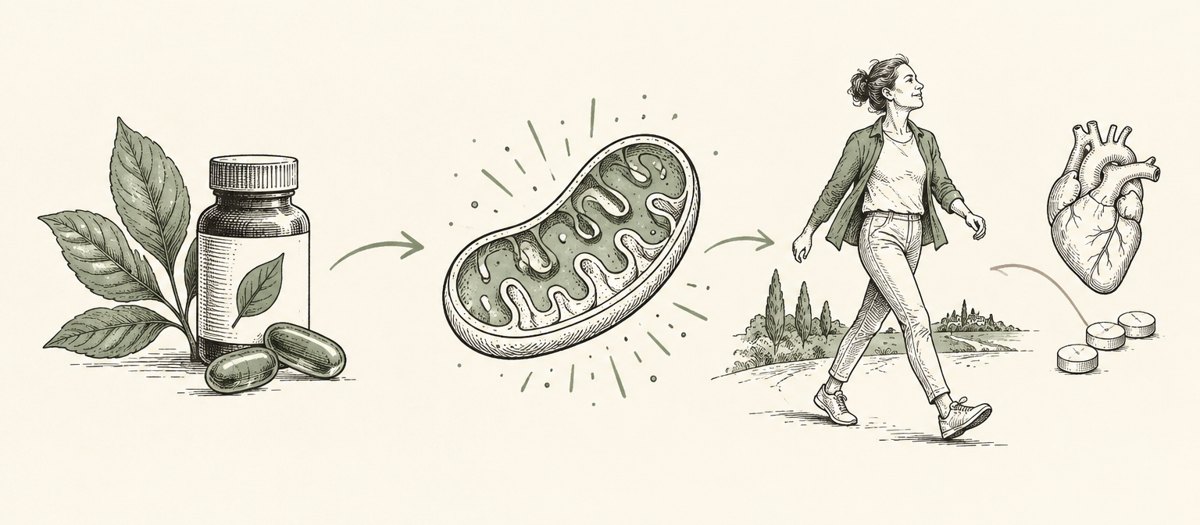
CoQ10
Coenzyme Q10, a compound your cells use to make energy that is also taken as a supplement. Commonly used by people on statins and studied for its potential role in heart health and cellular energy.
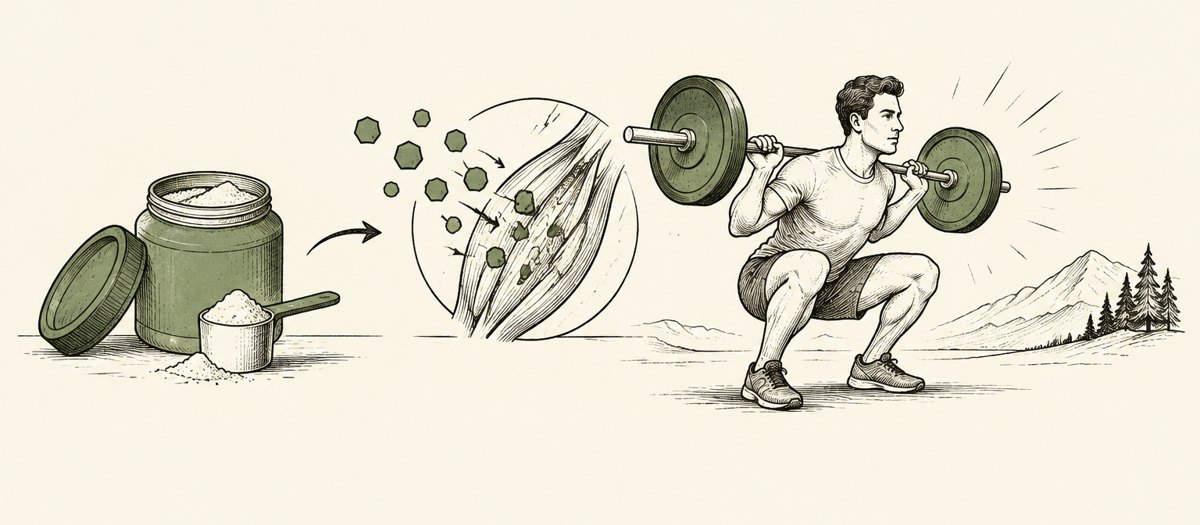
Creatine Monohydrate
A widely used daily supplement that helps muscle cells produce quick bursts of energy during intense exercise. Athletes and health enthusiasts often take it to support strength, power, and cognitive energy.
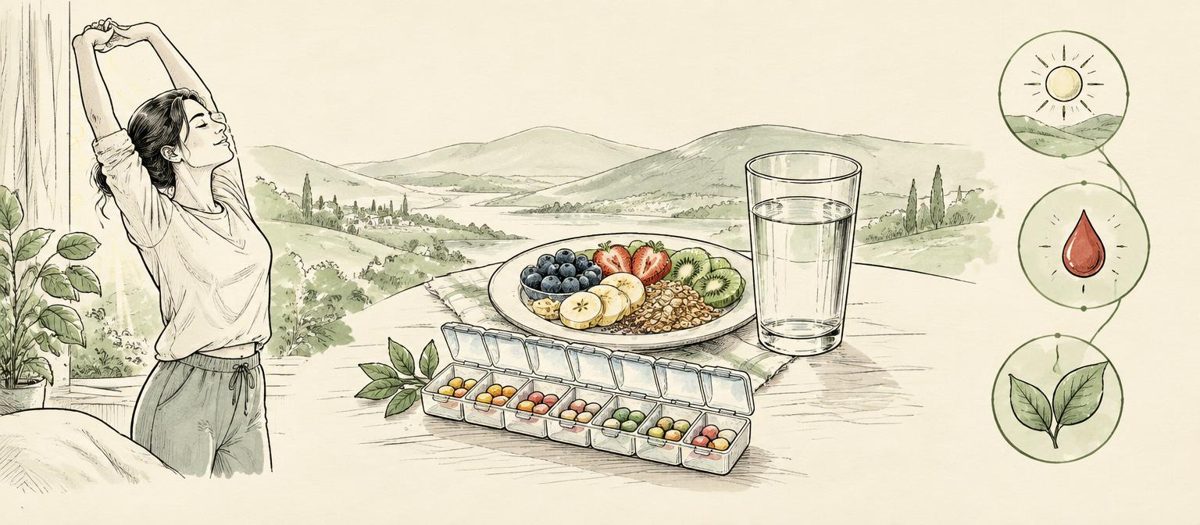
Daily Multivitamin
One daily supplement that covers many vitamins and minerals at once. Commonly taken as a backup for gaps in your diet. Tracking your bloodwork can show whether your levels change.
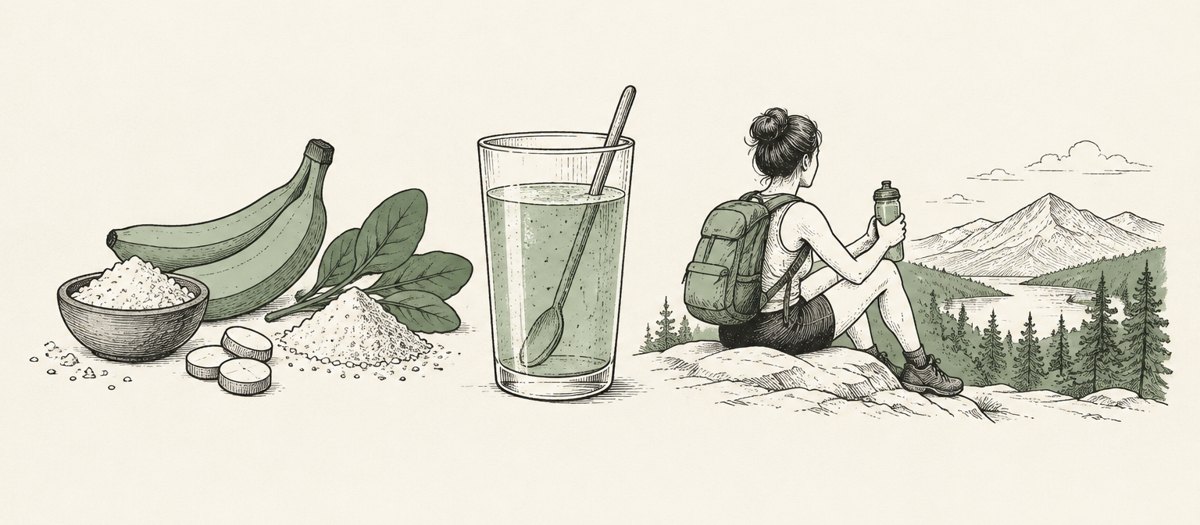
Electrolyte Optimization
Getting the right balance of sodium, potassium, and magnesium, often through drink mixes or tablets. Commonly used by active people to help support hydration, energy, and muscle function.
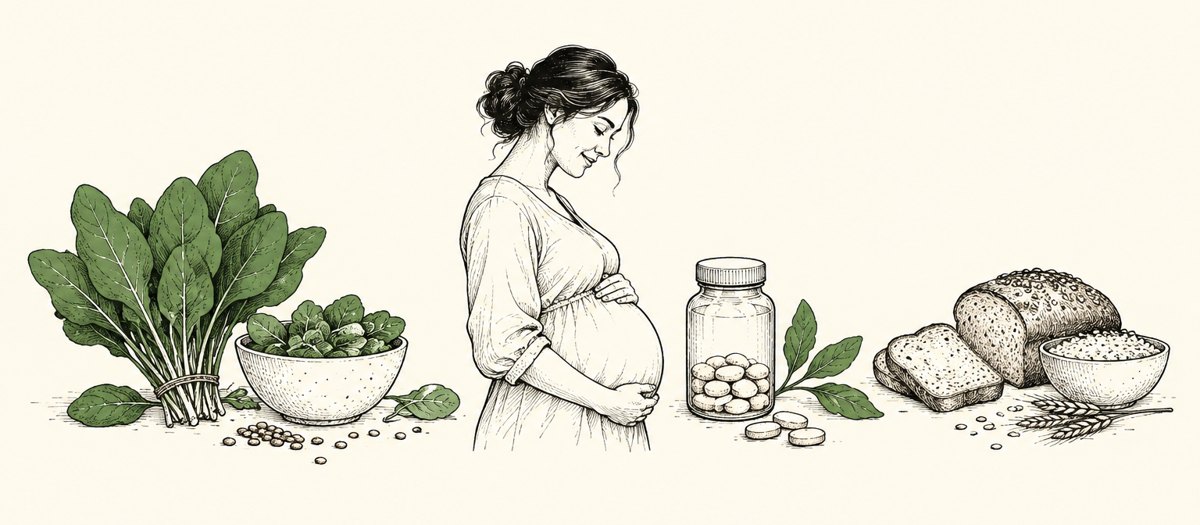
Folic Acid
A B vitamin, also called folate, taken as a supplement or found in leafy greens and fortified foods. Commonly recommended before and during pregnancy and taken to help support healthy cells and red blood cells.
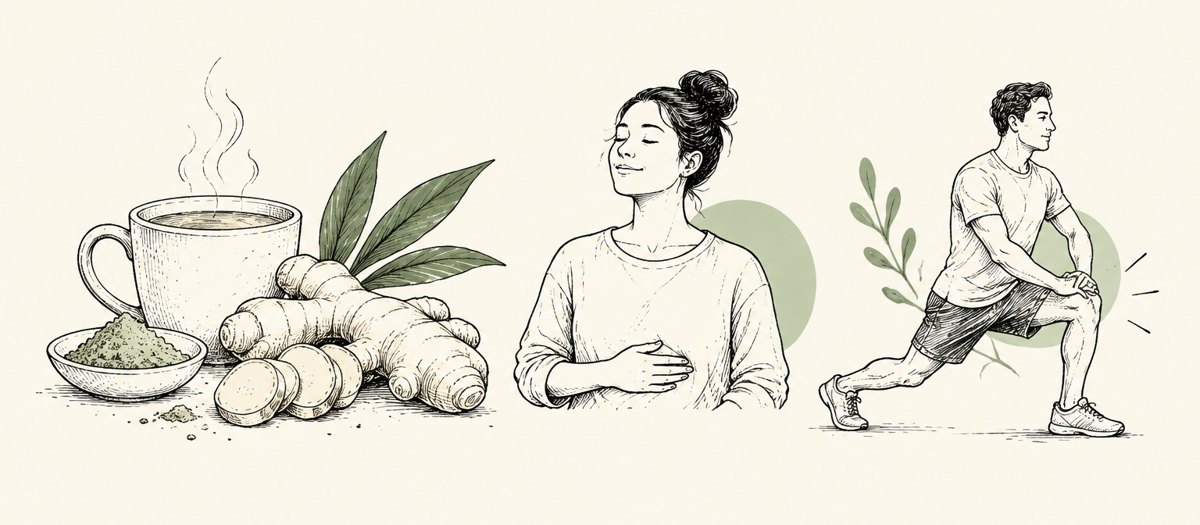
Ginger
A spicy root used in cooking, teas, and supplements. Commonly taken to help settle the stomach and studied for its potential effects on inflammation and muscle soreness.
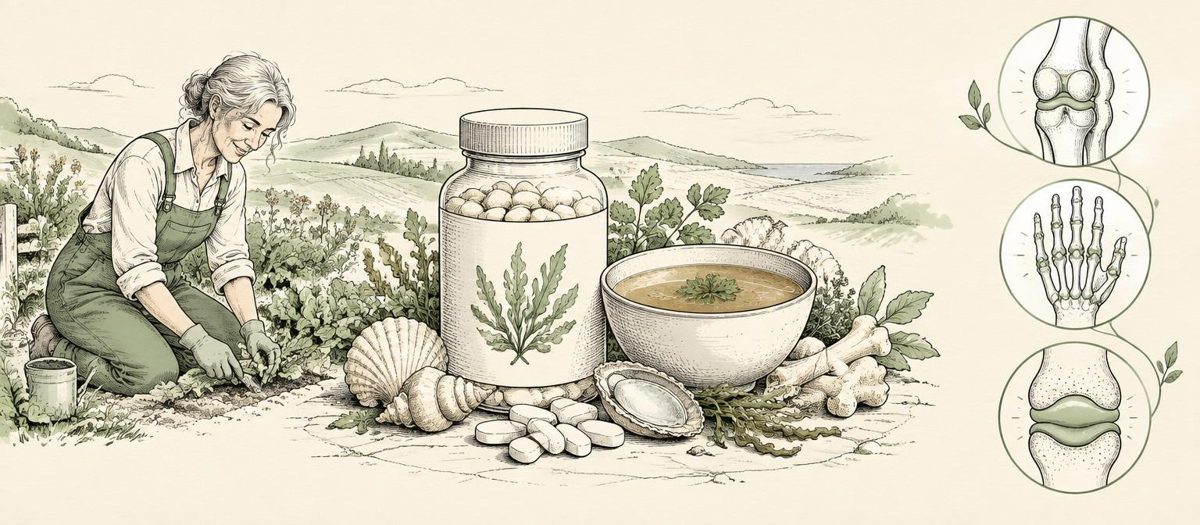
Glucosamine & Chondroitin / MSM
Building blocks found in joint cartilage, often sold together with MSM, a sulfur compound. Commonly taken to help support joint comfort and movement.
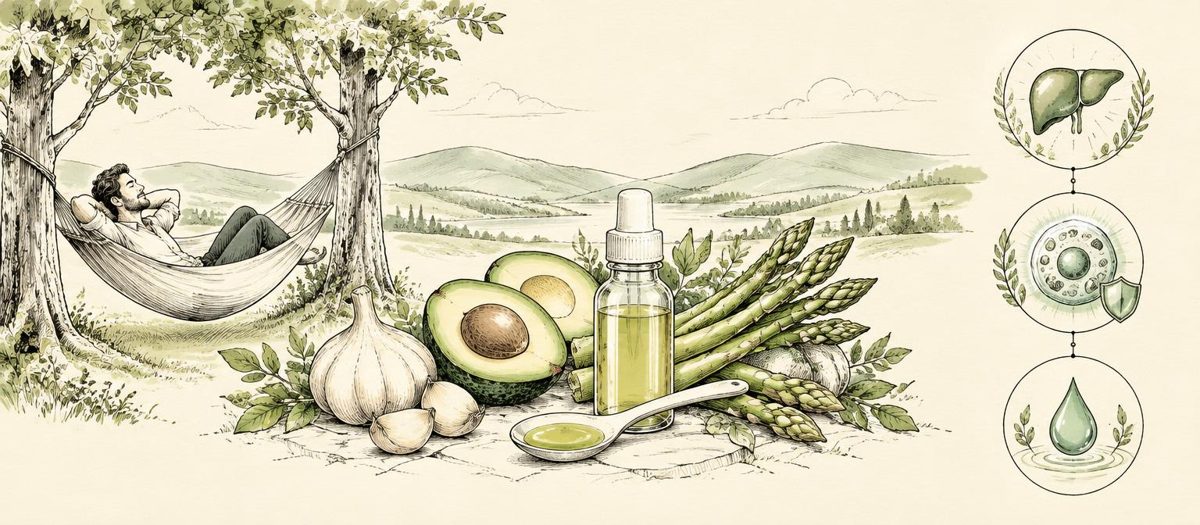
Glutathione
Glutathione is one of the body's main antioxidants. It is often taken in liposomal or reduced form to help absorption. Studied for its role in liver health and handling oxidative stress.
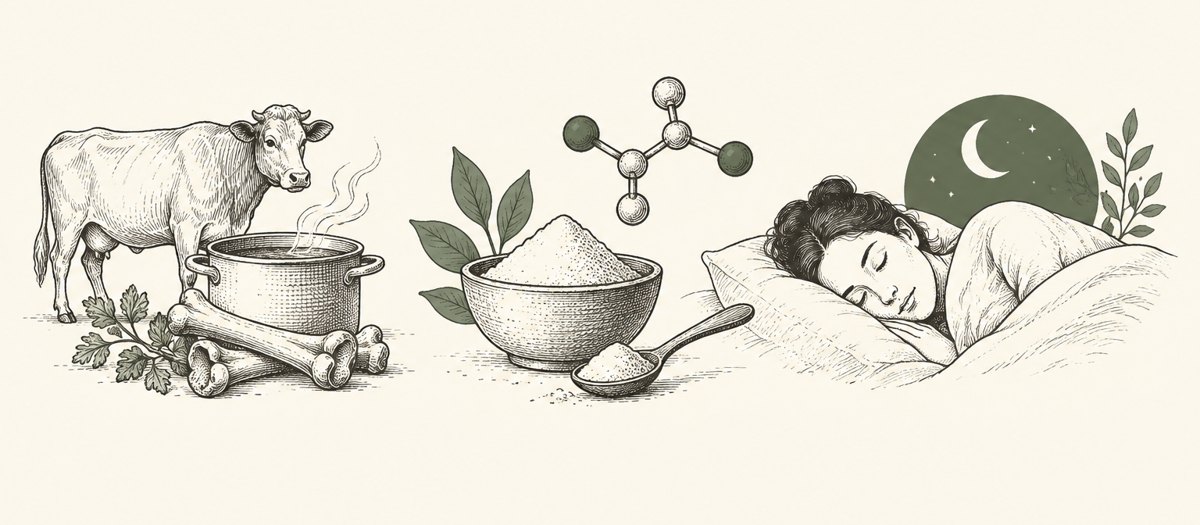
Glycine
A simple amino acid found in collagen and bone broth that is also sold as a powder. Commonly taken before bed to help support sleep quality and studied for its potential role in healthy aging.
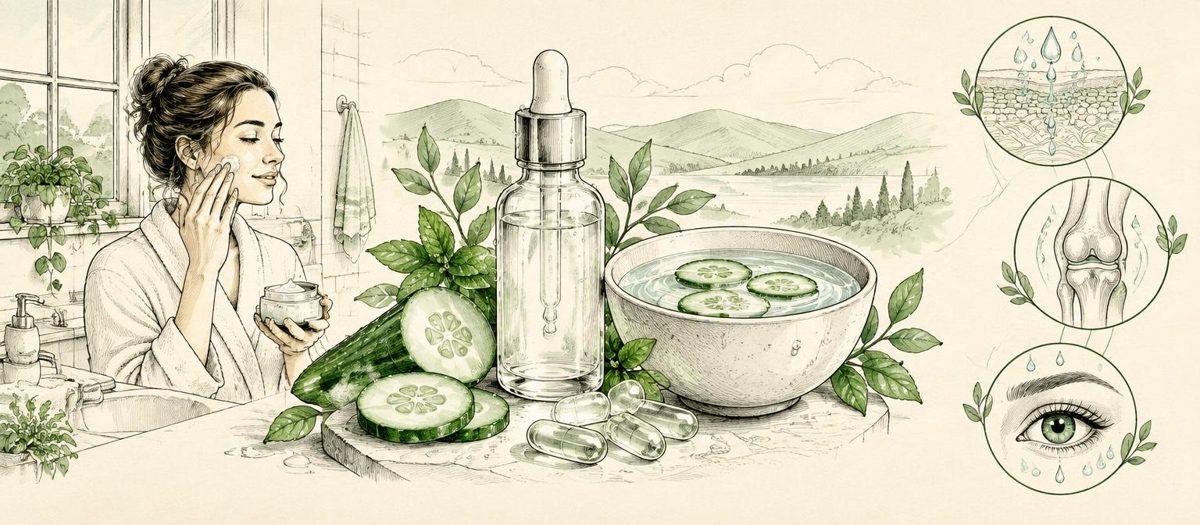
Hyaluronic Acid
A substance your body makes to hold water in skin and joints. Taken by mouth to help support joint comfort and skin moisture.
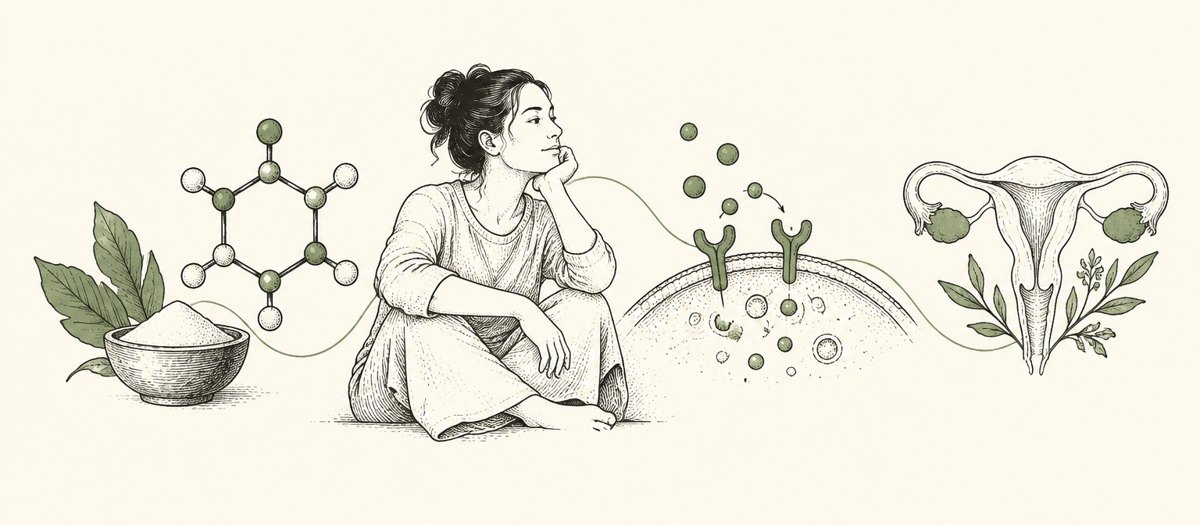
Inositol
A vitamin-like compound, often taken as myo-inositol, that helps cells respond to insulin. Commonly used by people with PCOS and studied for its potential effects on blood sugar, hormones, and mood.
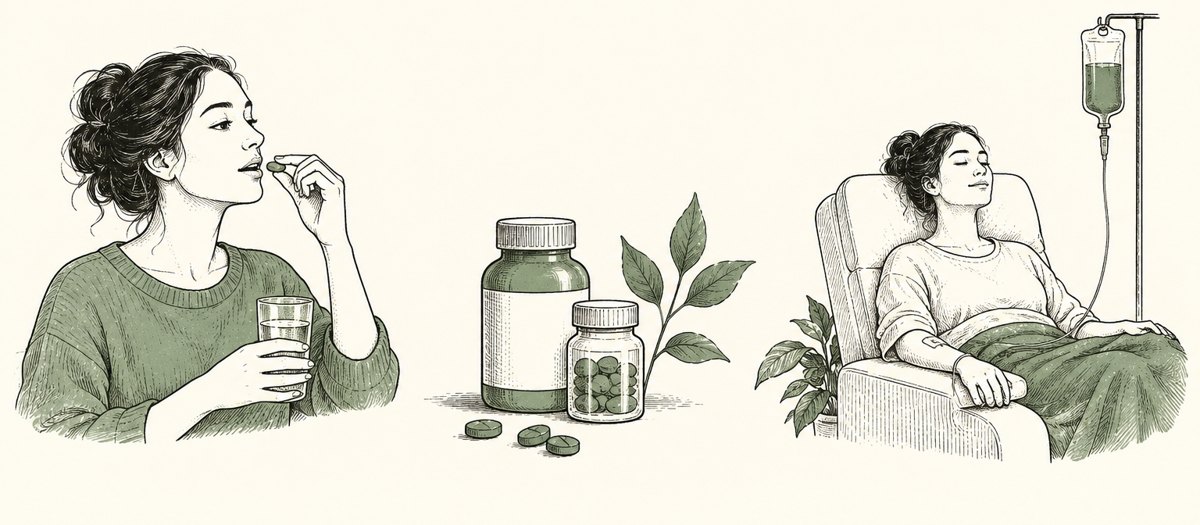
Iron Supplementation
Taking iron pills or getting iron infusions, over the counter or by prescription, when levels are low. Commonly used to help restore iron stores and ease tiredness from low iron.
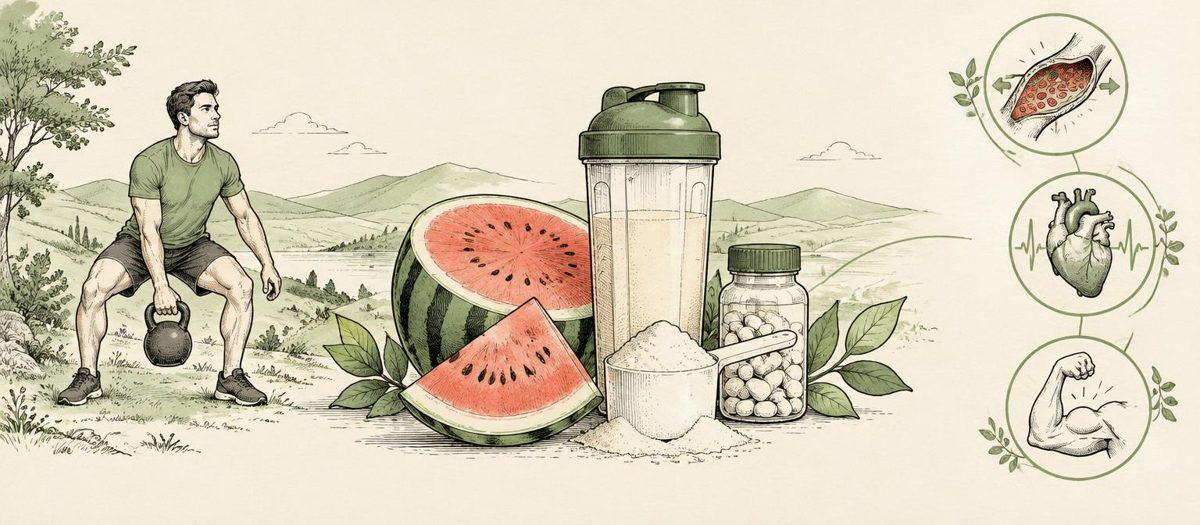
L-Citrulline / L-Arginine
Amino acids the body uses to make nitric oxide, which helps blood vessels relax. Popular before workouts and studied for blood pressure and blood flow.
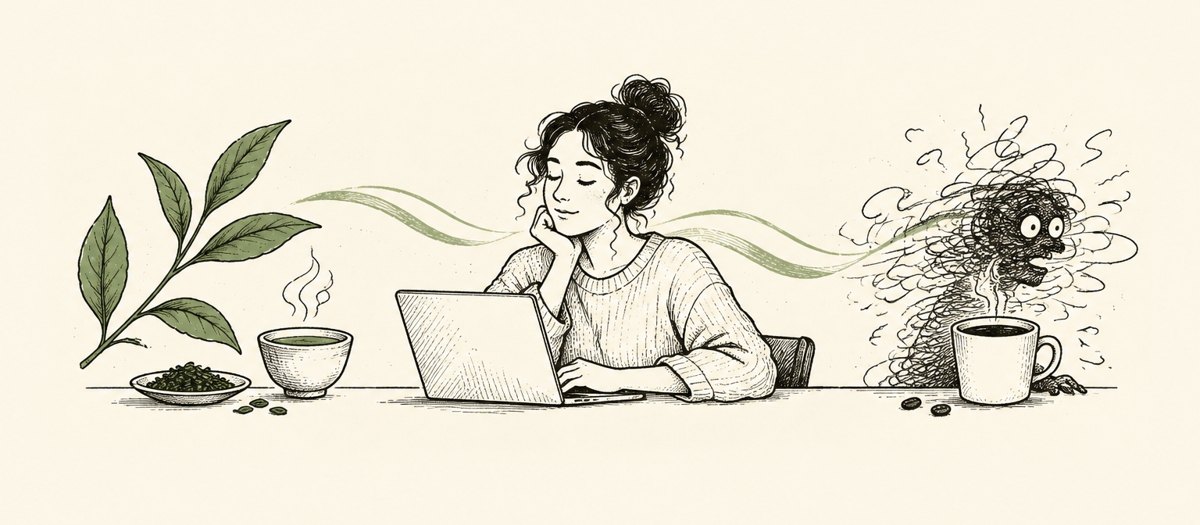
L-Theanine
An amino acid found in green tea, often taken alone or with caffeine. Commonly used to help promote calm focus and ease the jittery feeling from coffee.

Lion's Mane Mushroom
An edible mushroom with a shaggy, white look that is taken as a supplement or eaten as food. Studied for its potential role in supporting focus, memory, and brain health.

Magnesium Supplementation
Taking a magnesium supplement, such as glycinate or citrate, to fill gaps in your diet. One of the most popular supplements for helping support sleep, relaxation, and muscle function.

Melatonin
A hormone your body makes at night, also sold as a supplement. Commonly taken in small doses to help with jet lag, shift work, and falling asleep.
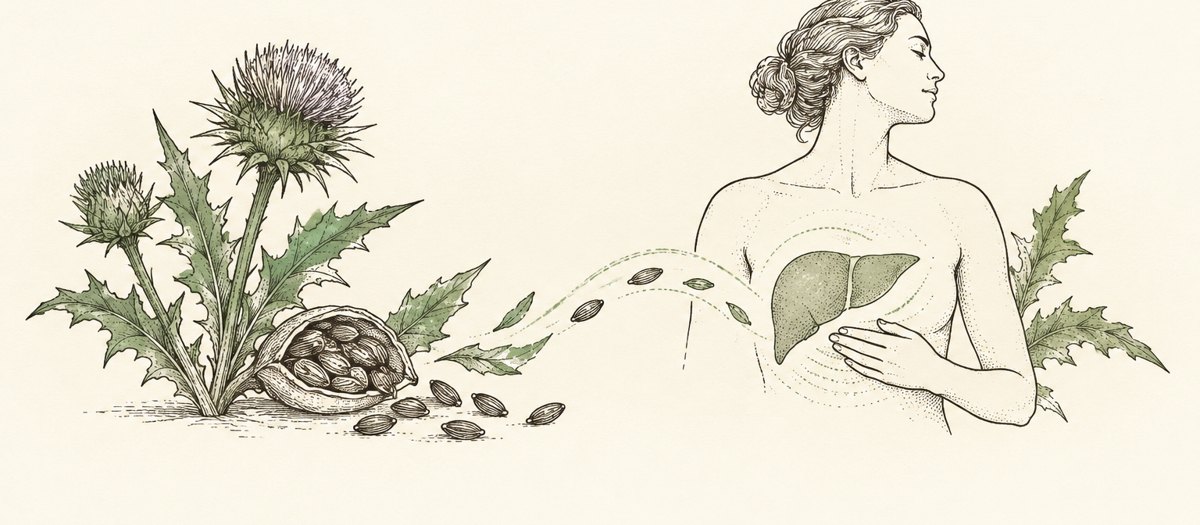
Milk Thistle
An herbal supplement made from the seeds of the milk thistle plant. Traditionally used and studied for its potential role in supporting liver health.
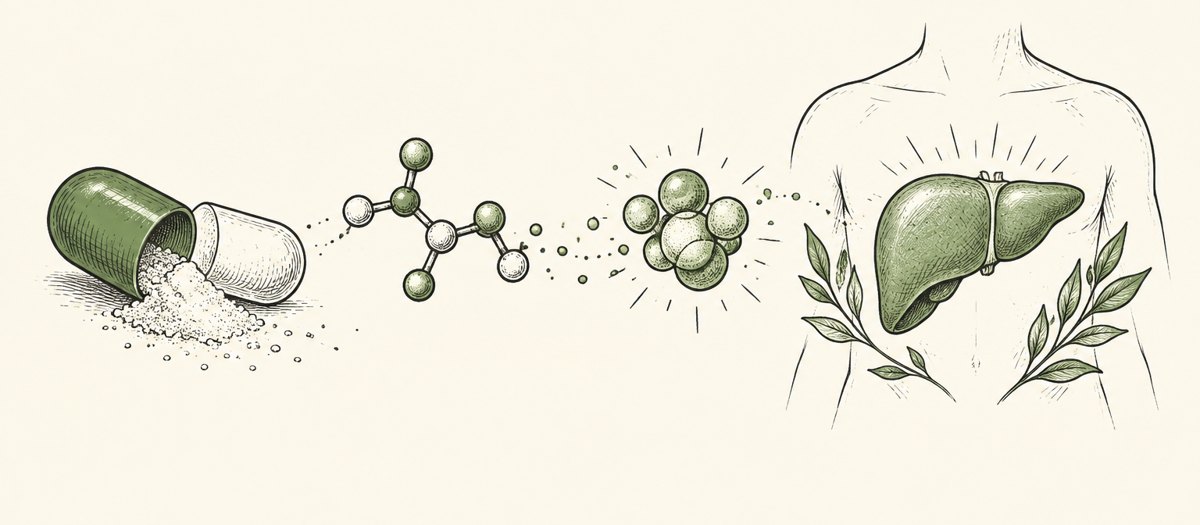
N-Acetyl Cysteine (NAC)
A supplement form of the amino acid cysteine that the body uses to make glutathione, a key antioxidant. Studied for its potential role in supporting liver health, lung health, and the body's antioxidant defenses.
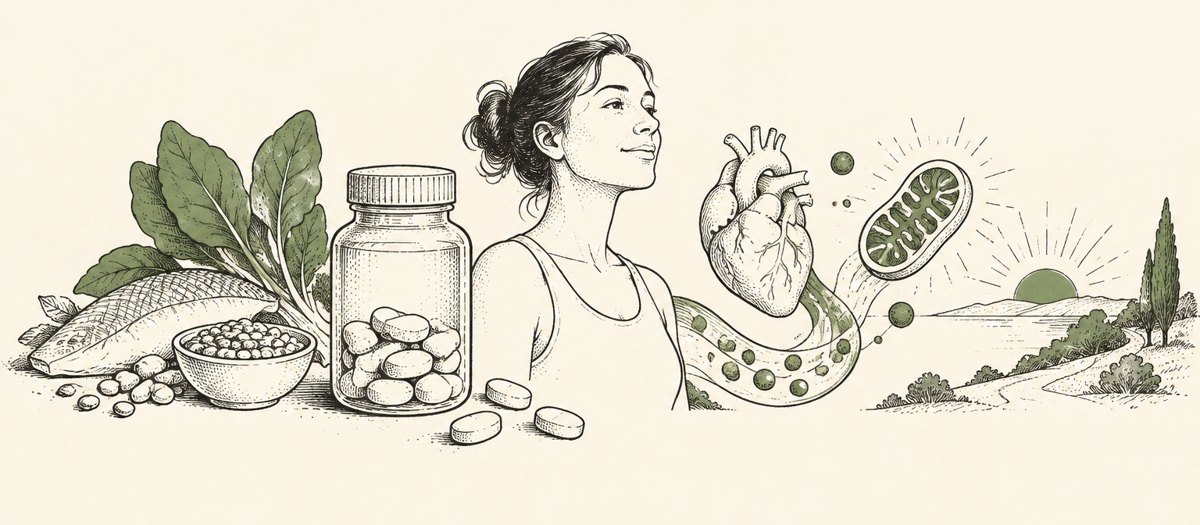
Niacin
Vitamin B3, taken as a supplement or sometimes prescribed at higher doses. Studied for its potential effects on cholesterol and cellular energy, and best used with a doctor's guidance at high doses.
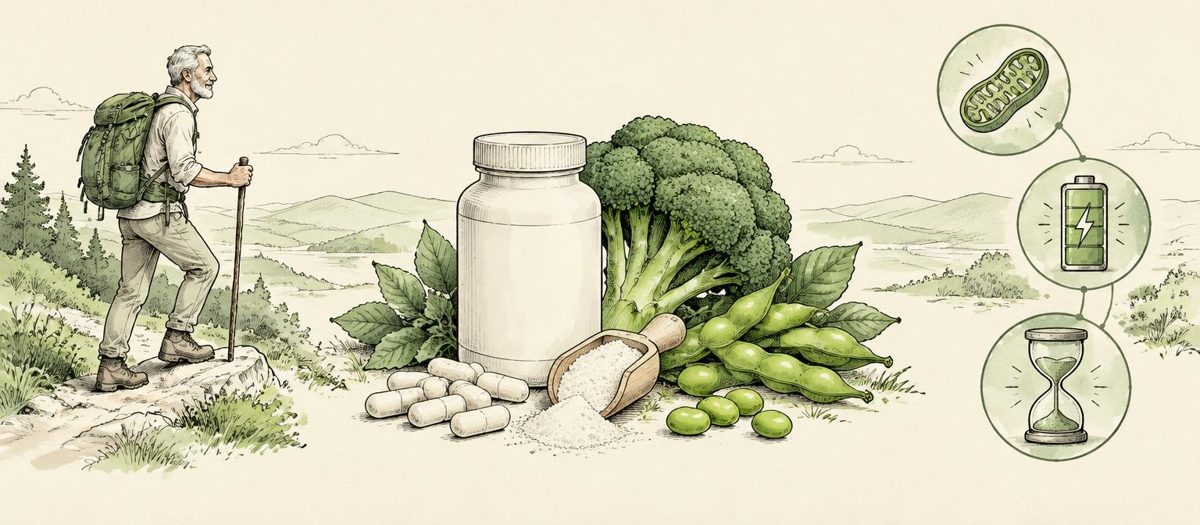
NMN / NR (NAD+ Precursors)
NMN and NR are building blocks the body uses to make NAD+, a molecule your cells need for energy. Popular in healthy aging circles and still being studied in people.

Nootropics
Supplements and compounds, such as caffeine with L-theanine or herbal blends, taken to support mental performance. Popular among people hoping to help sharpen focus, memory, and productivity.
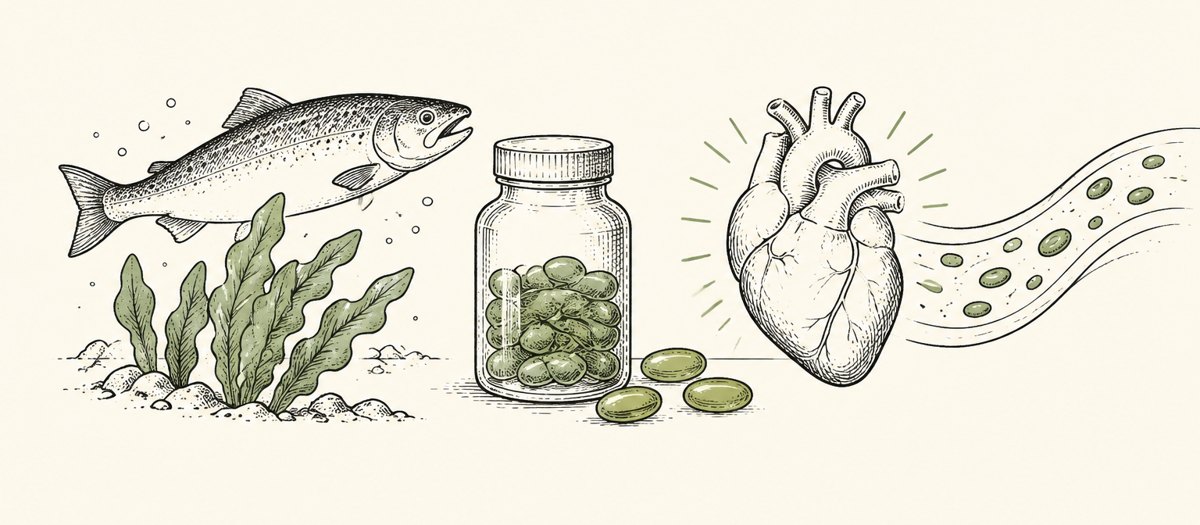
Omega-3 Fatty Acids
Essential fats, such as EPA and DHA from fish oil or algae, that your body cannot make on its own. Commonly taken to help support heart health, healthy triglyceride levels, and joint comfort.

Phosphatidylserine
A fat that is part of every cell membrane, especially in the brain. Taken as a supplement to help support memory and focus, and studied for its effect on stress hormones like cortisol.
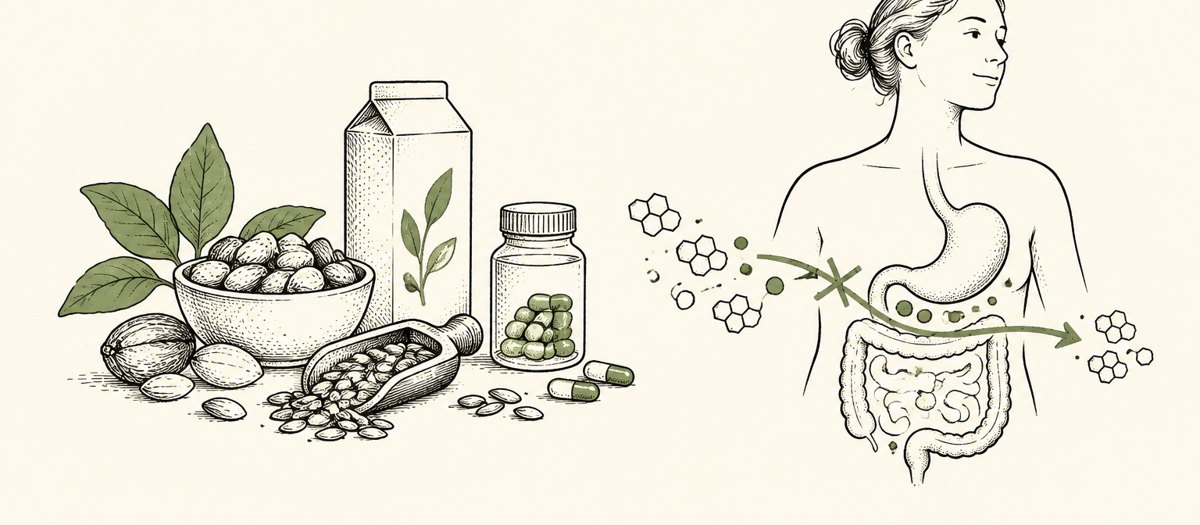
Plant Sterols
Natural plant compounds found in nuts, seeds, and fortified foods or supplements. Commonly used to help lower the amount of cholesterol your body absorbs from food.
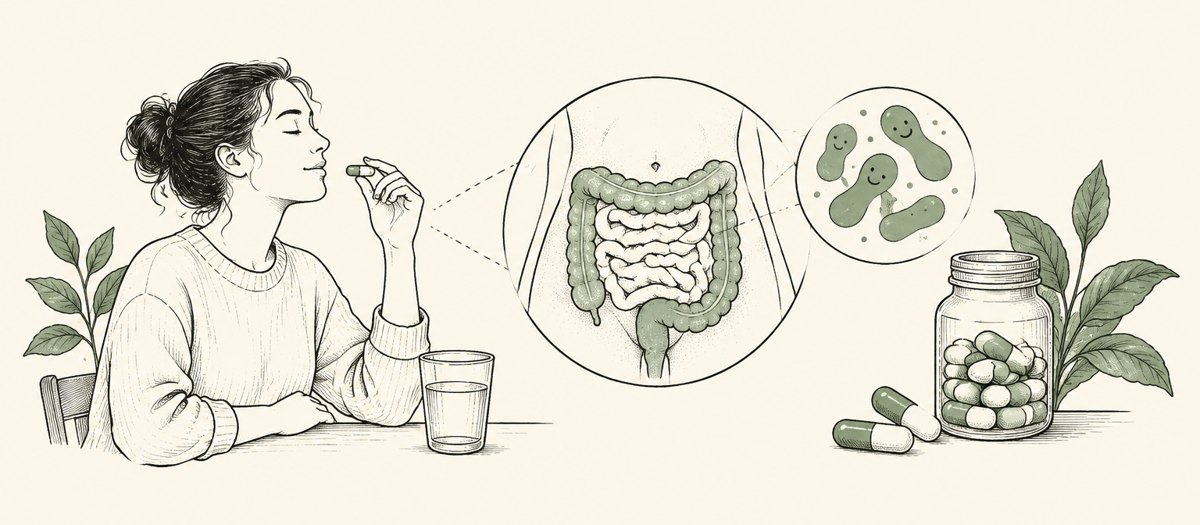
Probiotic Supplementation
Taking supplements that contain live, helpful bacteria. Commonly used to help support gut health and digestion, especially after antibiotics.
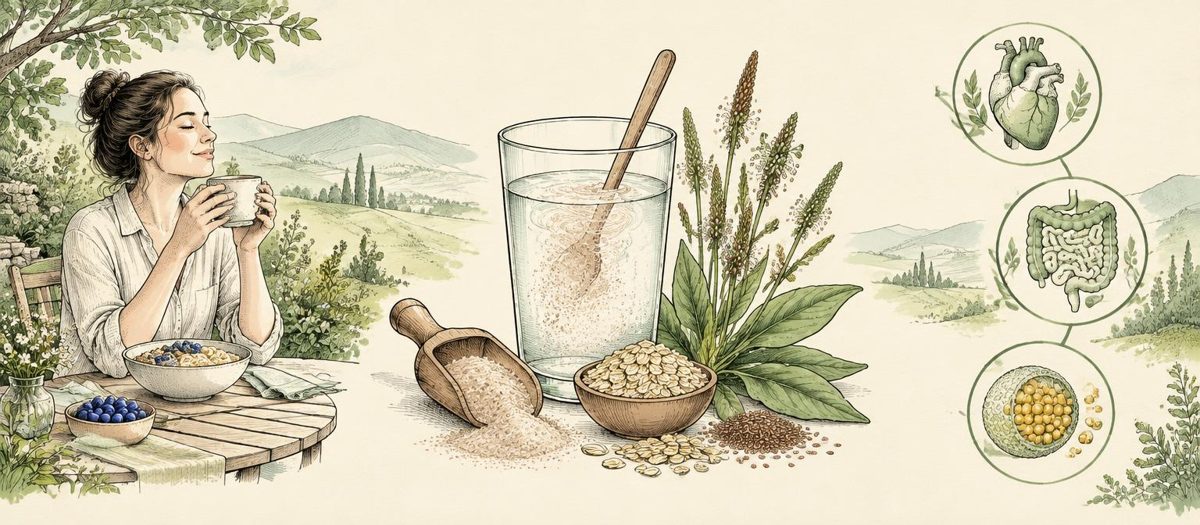
Psyllium Husk / Soluble Fiber
A plant fiber that thickens into a gel when mixed with water. Commonly taken for regularity and studied for its ability to lower LDL cholesterol and ApoB and smooth blood sugar after meals.
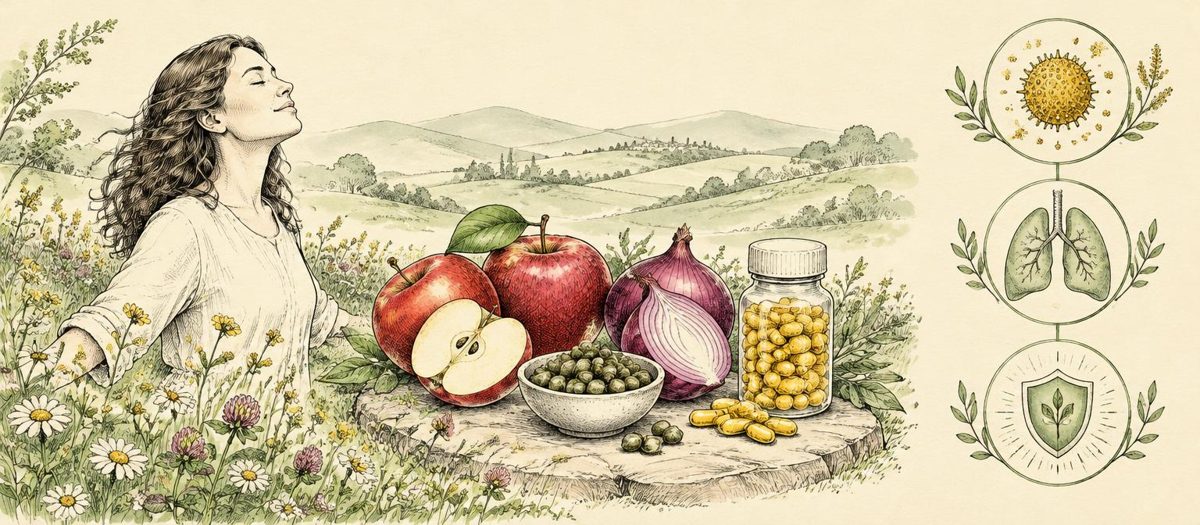
Quercetin
A plant pigment found in apples, onions, and capers. Commonly taken during allergy season and studied for its potential role in calming histamine and inflammation.
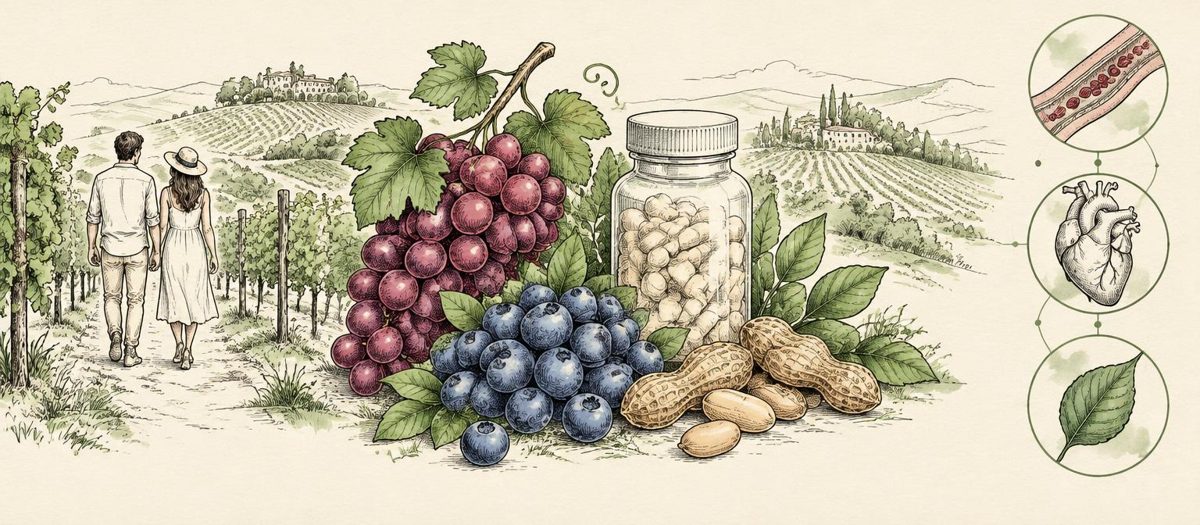
Resveratrol / Pterostilbene
Plant compounds found in grapes, berries, and peanuts. Pterostilbene is a close relative that the body absorbs more easily. Studied for their potential role in heart and blood vessel health.
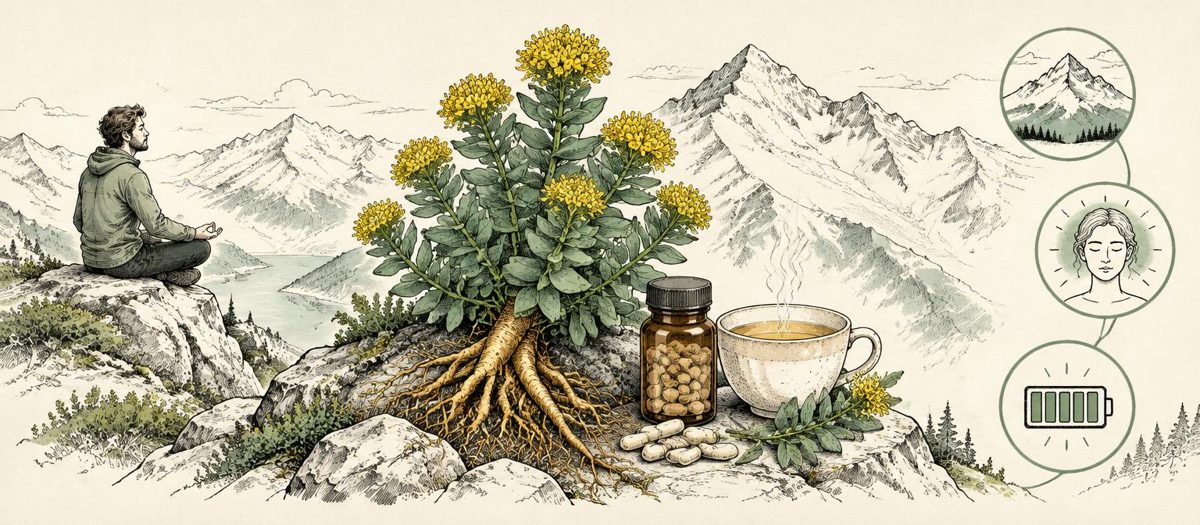
Rhodiola Rosea
An herb from cold mountain regions, used for generations to help the body handle stress. People take it for mental stamina and tiredness. Some find it too stimulating late in the day.
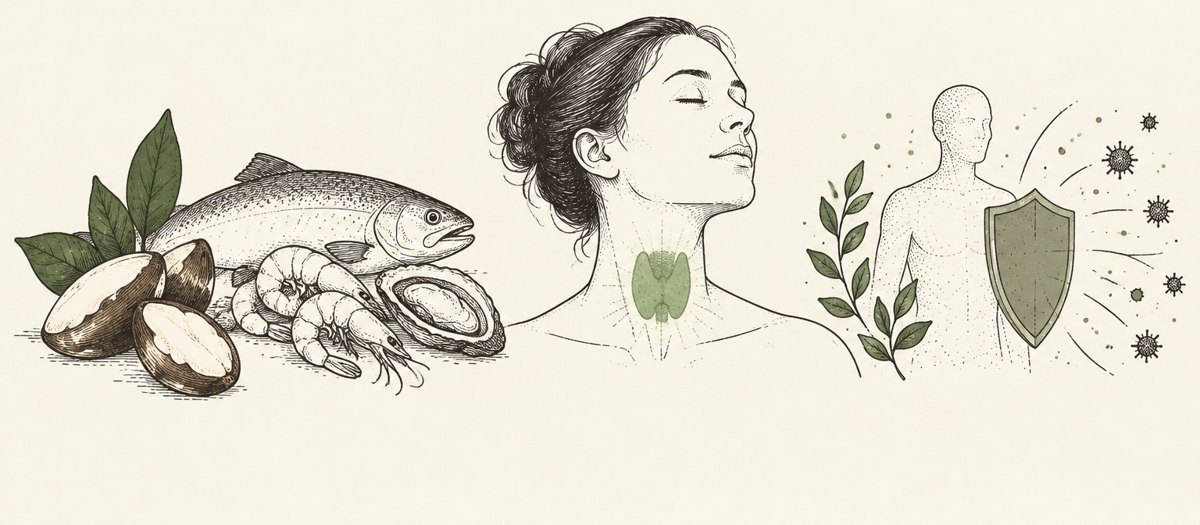
Selenium
A trace mineral found in Brazil nuts, seafood, and supplements. Studied for its potential role in thyroid health and the body's natural antioxidant defenses.
Spermidine
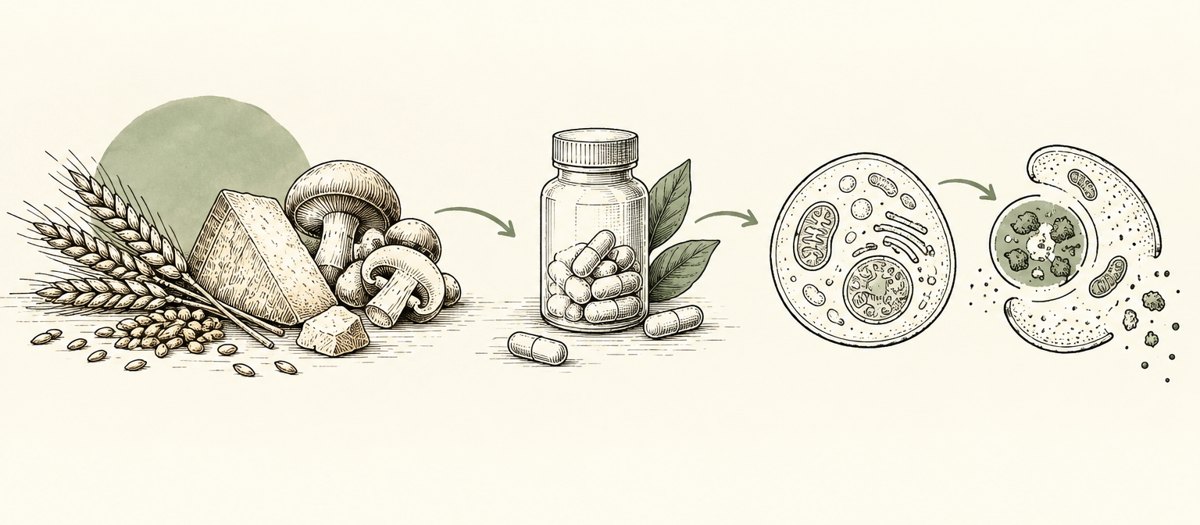
A natural compound found in wheat germ, aged cheese, and mushrooms and sold as a supplement. Studied for its potential role in cellular cleanup, called autophagy, and healthy aging.
Tart Cherry Extract
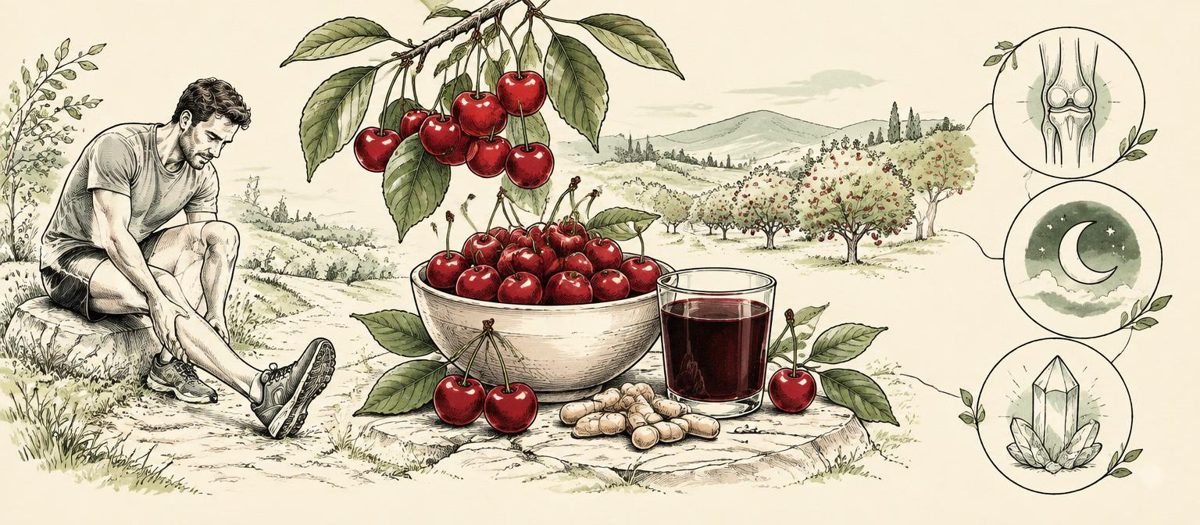
A concentrate made from sour Montmorency cherries. Commonly used for workout recovery and sleep, and studied for its potential role in lowering uric acid.
Taurine
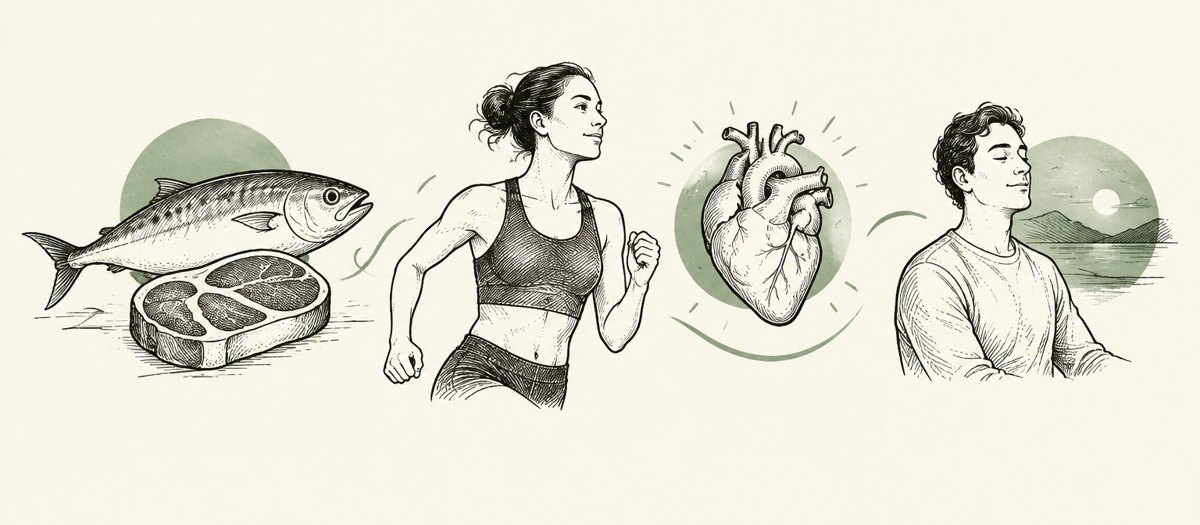
An amino acid found in meat and fish and added to many energy drinks and supplements. Studied for its potential role in heart health, exercise performance, and healthy aging.
Turmeric / Curcumin
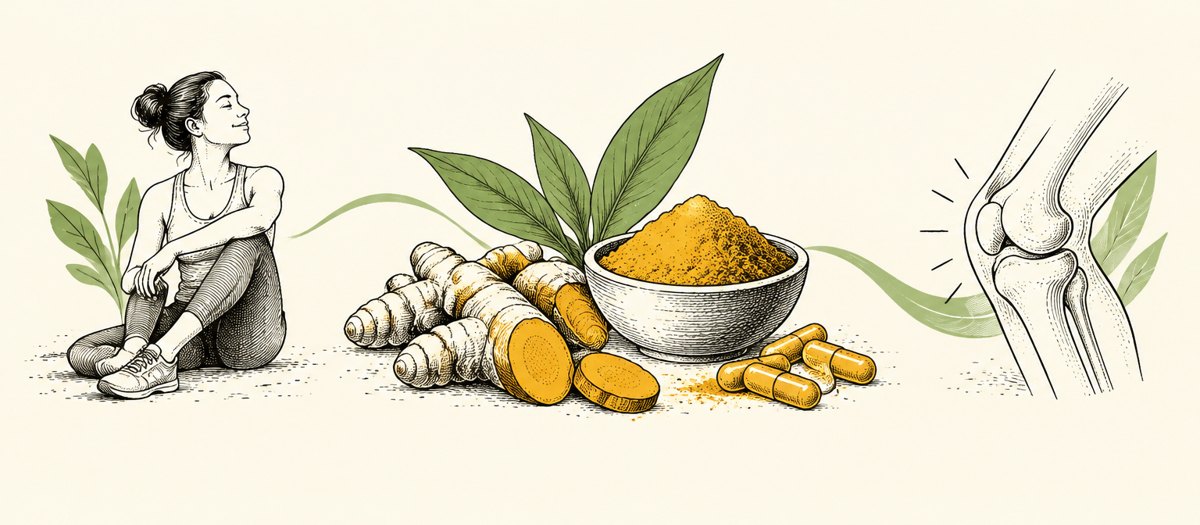
Turmeric is a golden spice, and curcumin is its main active compound, often taken as a supplement. Studied for its potential effects on inflammation and joint comfort.
Urolithin A
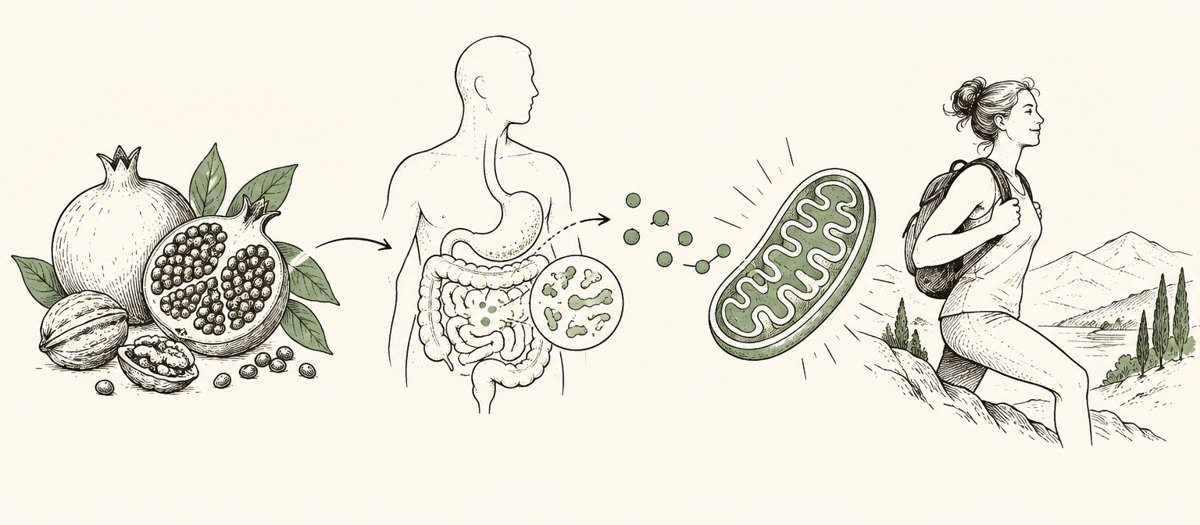
A compound your gut makes from foods like pomegranates and walnuts, now available as a supplement. Studied for its potential role in supporting mitochondria, muscle strength, and healthy aging.
Vitamin A / Beta-Carotene
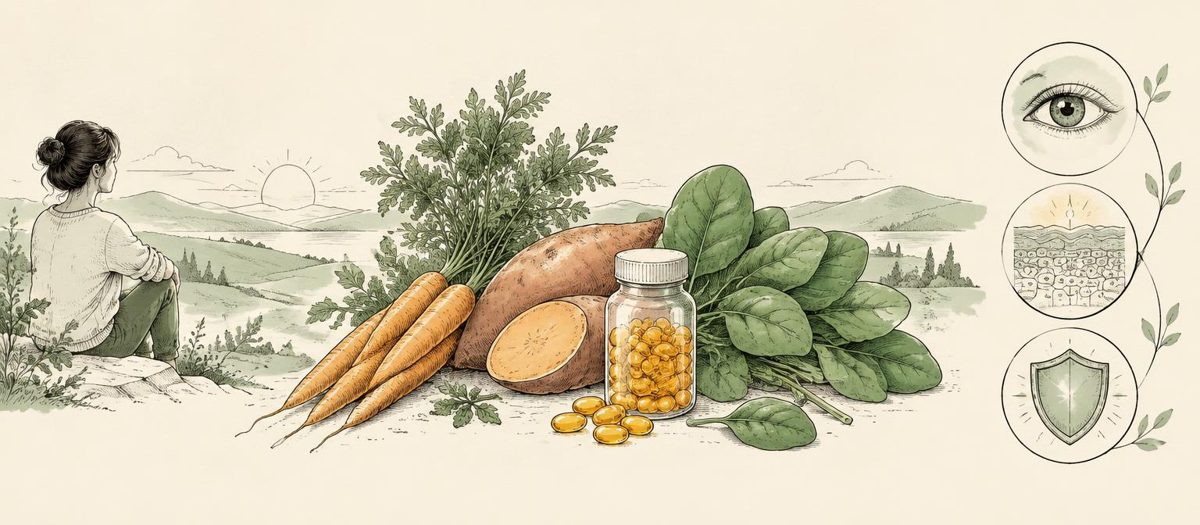
Vitamin A supports eyesight, skin, and the immune system. Beta-carotene is a plant form the body turns into vitamin A. Too much pre-formed vitamin A can build up in the body, so dose matters.
Vitamin B1 (Thiamine / Benfotiamine)
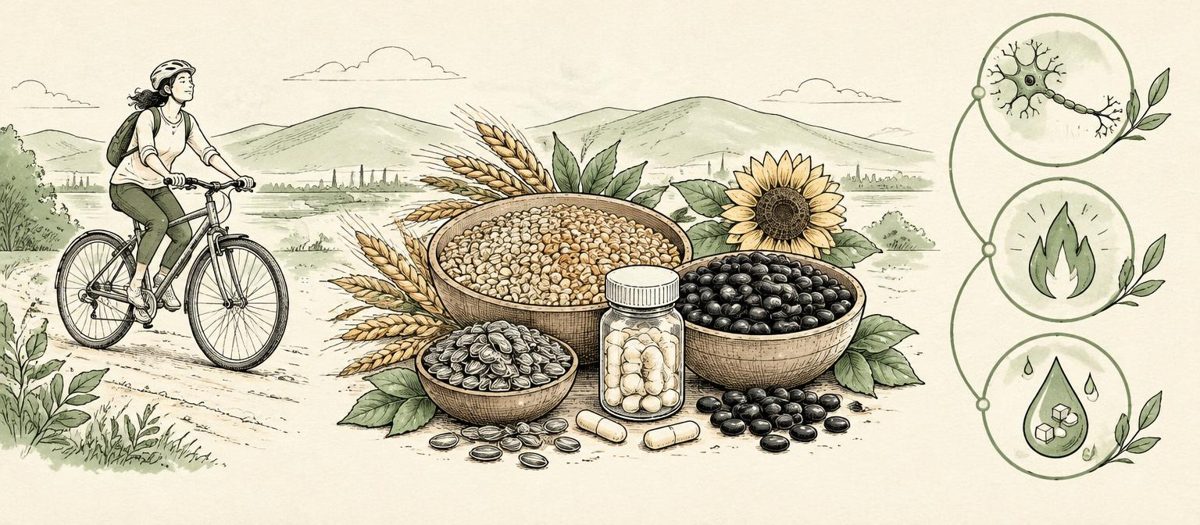
Vitamin B1 helps turn food into energy and keeps nerves working. Benfotiamine is a form the body absorbs more easily. People often take it to support nerve health and blood sugar balance.
Vitamin B12 Supplementation
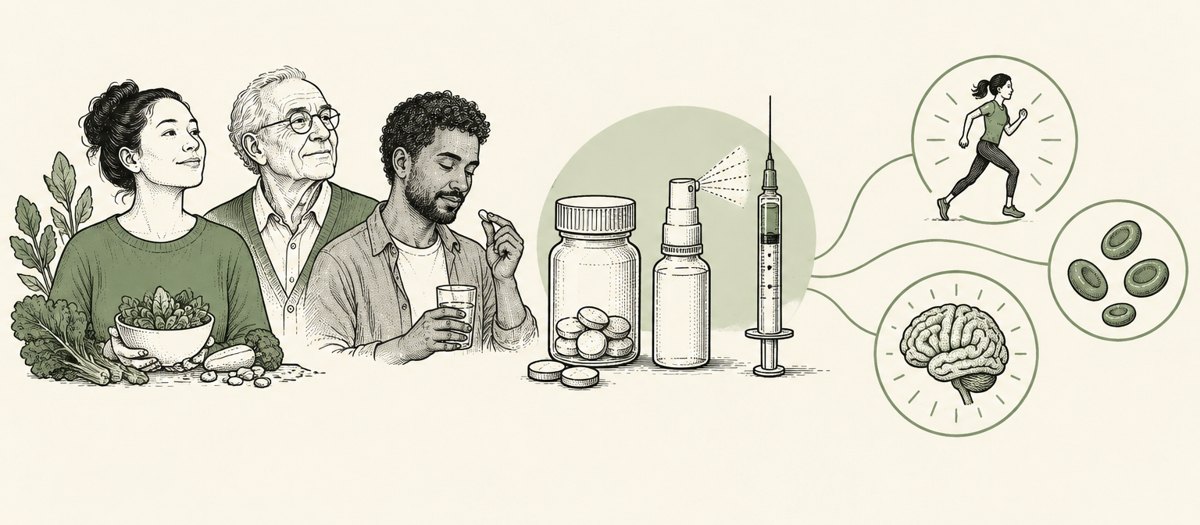
Taking vitamin B12 as a pill, spray, or shot. Commonly used by vegans, older adults, and people on metformin to help support energy, nerve health, and red blood cells.
Vitamin B2 (Riboflavin)
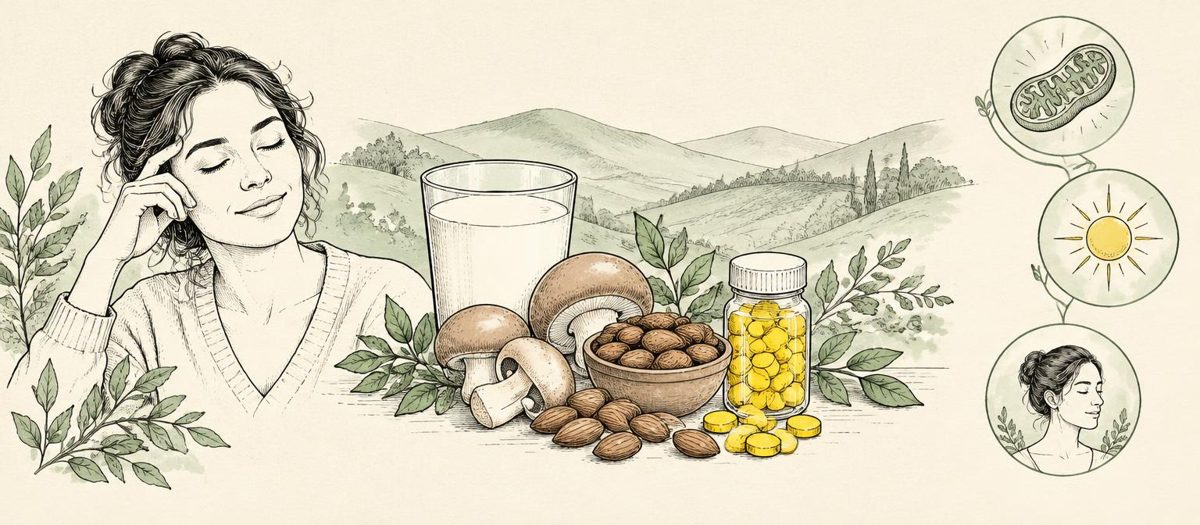
Vitamin B2 helps your cells make energy. It is often taken to help with migraines and is studied for its role in keeping homocysteine in a healthy range. It can turn urine bright yellow, which is harmless.
Vitamin B6
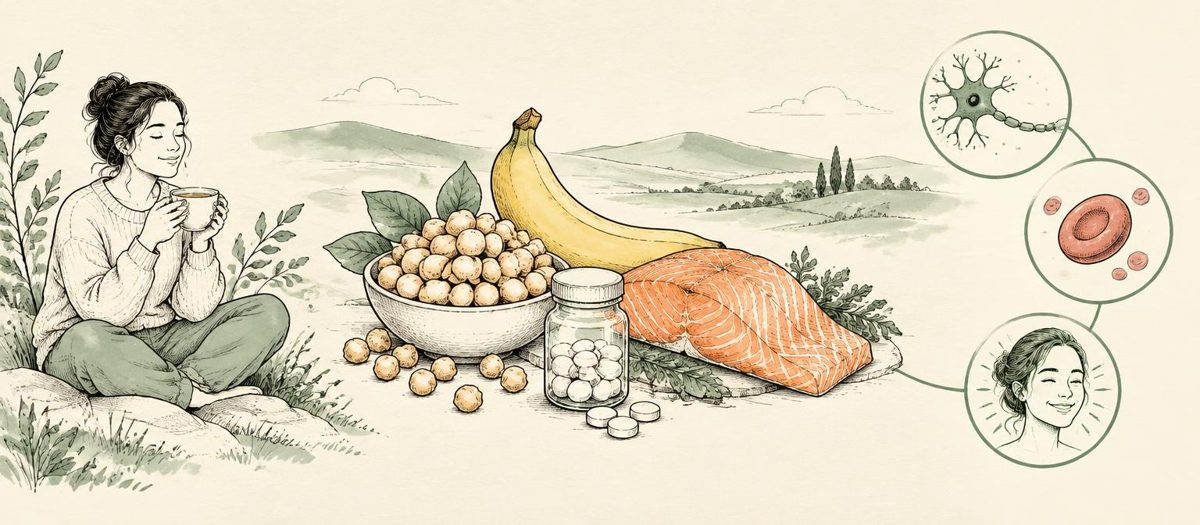
Vitamin B6, also called pyridoxine, helps the body make brain messengers and red blood cells. Some people take it for mood, PMS, or morning sickness. Very high doses over time can affect nerves.
Vitamin C
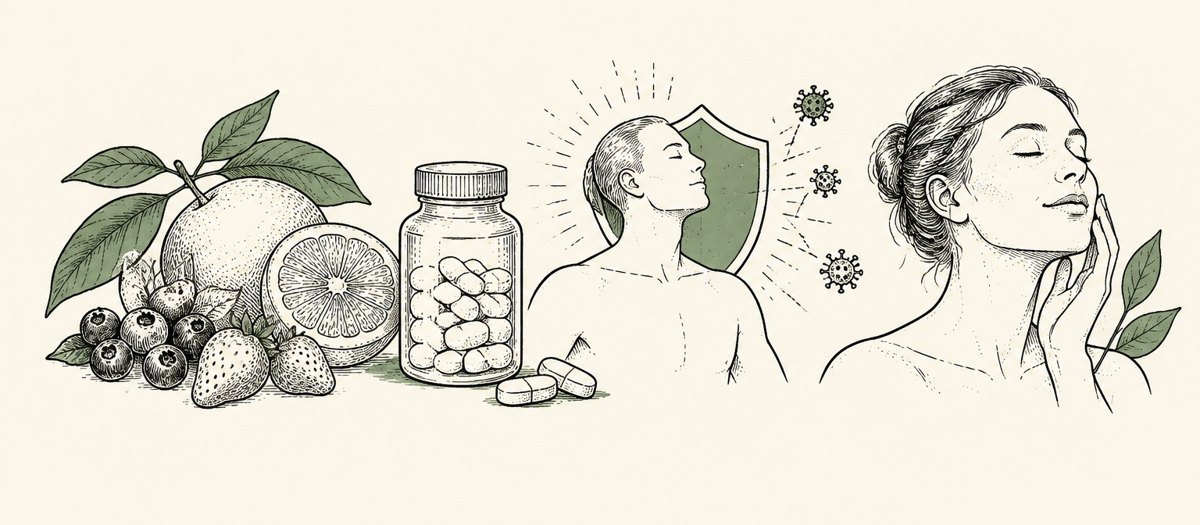
A common antioxidant vitamin found in citrus, berries, and supplements. Often taken to help support immune health and skin repair.
Vitamin D Supplementation
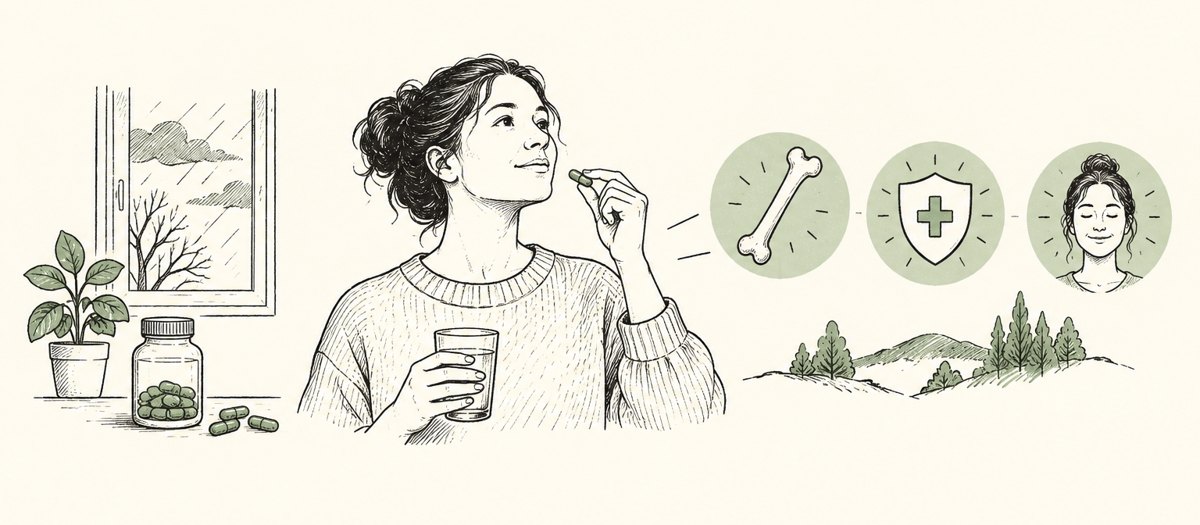
Taking vitamin D, over the counter or by prescription, especially when you get little sun. Commonly used to help support bone health, immune health, and mood.
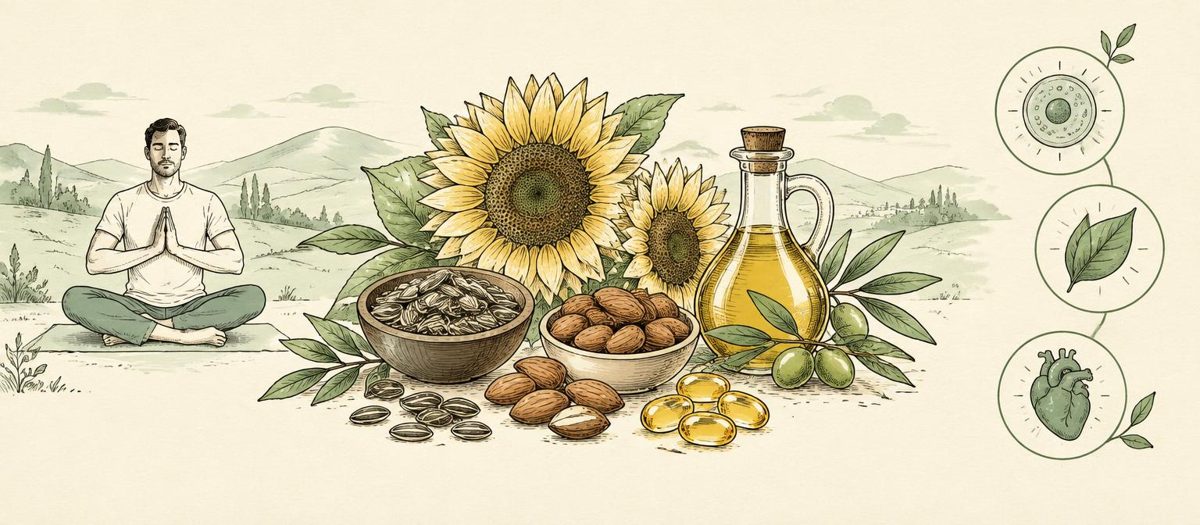
Vitamin E
Vitamin E is a fat-soluble antioxidant found in nuts, seeds, and oils. Mixed tocopherols include several natural forms. People take it to help protect cells and support skin. High doses may thin the blood.
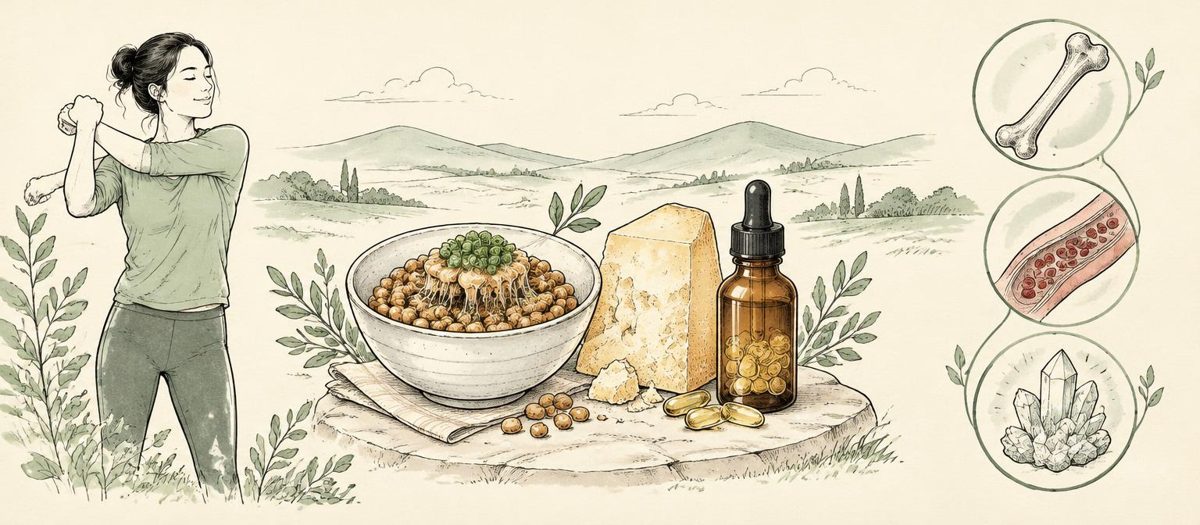
Vitamin K2
A form of vitamin K found in fermented foods like natto and in some cheeses. Often taken with vitamin D and studied for its role in moving calcium into bones instead of blood vessels.
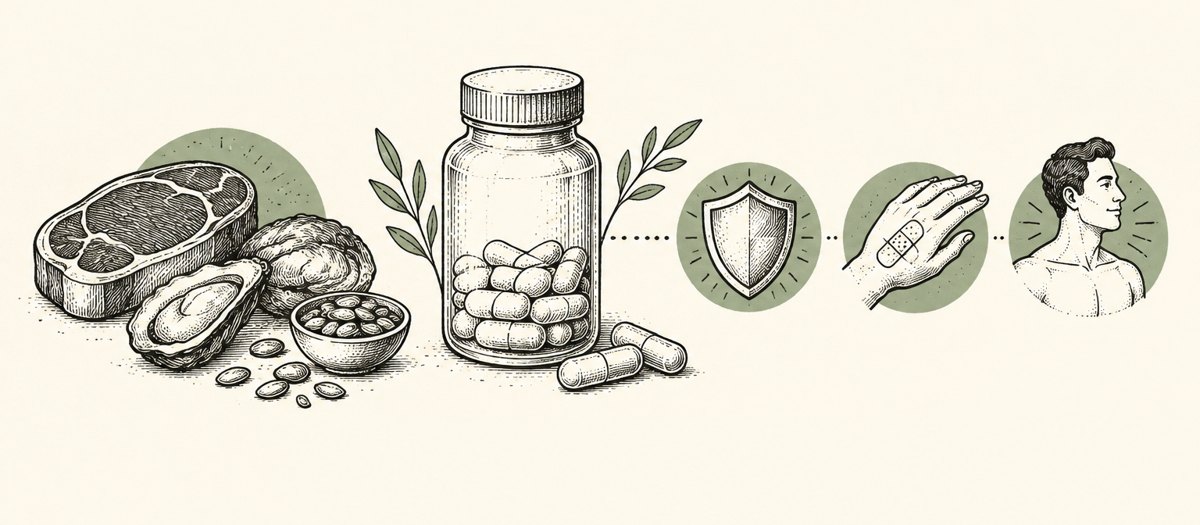
Zinc Supplementation
Taking zinc, a mineral found in meat, shellfish, and seeds, as a supplement. Commonly used to help support immune health, wound healing, and hormone health.