Nutrition & Fasting Health Practices
Nutrition and fasting practices center on dietary patterns, macronutrient intake, and eating windows to support metabolic health and cellular renewal. People frequently adopt approaches like time-restricted feeding or higher protein intake to help manage body composition, blood sugar stability, and steady daily energy. Members track their dietary protocols to see how nutritional adjustments reflect in routine bloodwork and body metrics.
Tracked Practices (27)
Explore nutritional protocols, member tracking, and metabolic biomarker shifts.

Adequate Protein
Making sure you eat enough protein each day from foods like meat, fish, eggs, dairy, beans, or protein shakes. Often practiced to help maintain muscle, support recovery, and keep you full longer.

AI Nutrition Coaching
Using AI-powered apps to plan meals, count macros, and adjust your eating based on your goals. Popular for helping make healthy eating more personal and easier to stick with.

Anti-Inflammatory Diet
An eating pattern built around vegetables, fruit, fish, olive oil, nuts, and whole grains while limiting processed foods and added sugar. Commonly followed by people hoping to help ease ongoing inflammation and support long-term health.

Autoimmune Protocol (AIP)
A strict elimination diet that removes grains, beans, dairy, eggs, nuts, seeds, nightshades like tomatoes and peppers, and processed foods, then adds them back one at a time. Some people with autoimmune conditions try it to find foods that bother them.

Calorie Awareness
Paying attention to how much energy you eat compared with how much your body uses each day. Commonly used to help support weight goals, steady energy, and enough fuel for training and recovery.
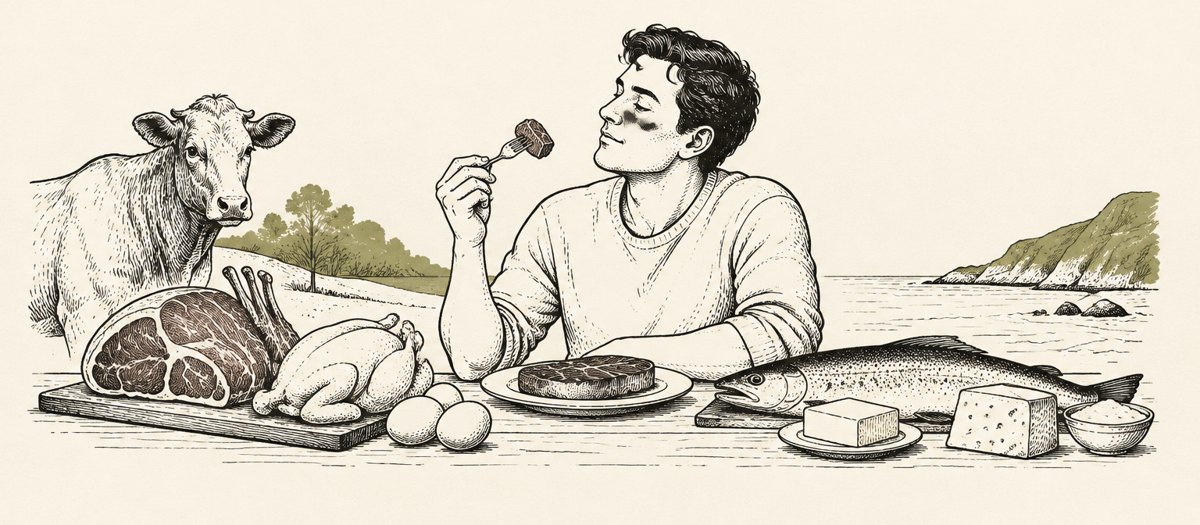
Carnivore Diet
An eating pattern made up almost entirely of meat, fish, eggs, and sometimes dairy, with no plant foods. Some people follow it as an elimination diet and report changes in digestion, energy, or inflammation.

DASH Diet
Dietary Approaches to Stop Hypertension, an eating plan rich in fruits, vegetables, whole grains, and low-fat dairy with limited salt. Commonly followed to help support healthy blood pressure and heart health.
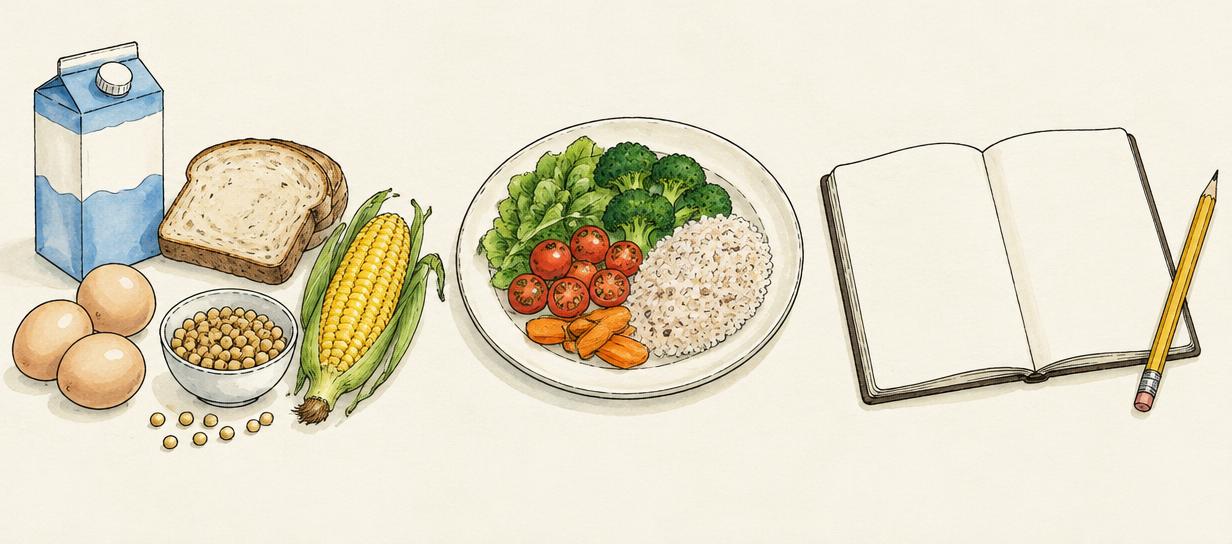
Elimination Diet
Removing common trigger foods like dairy, gluten, soy, eggs, or corn for a few weeks, then adding them back one at a time while noting how you feel. Used to find food sensitivities. Long-term strict avoidance is best planned with a professional.
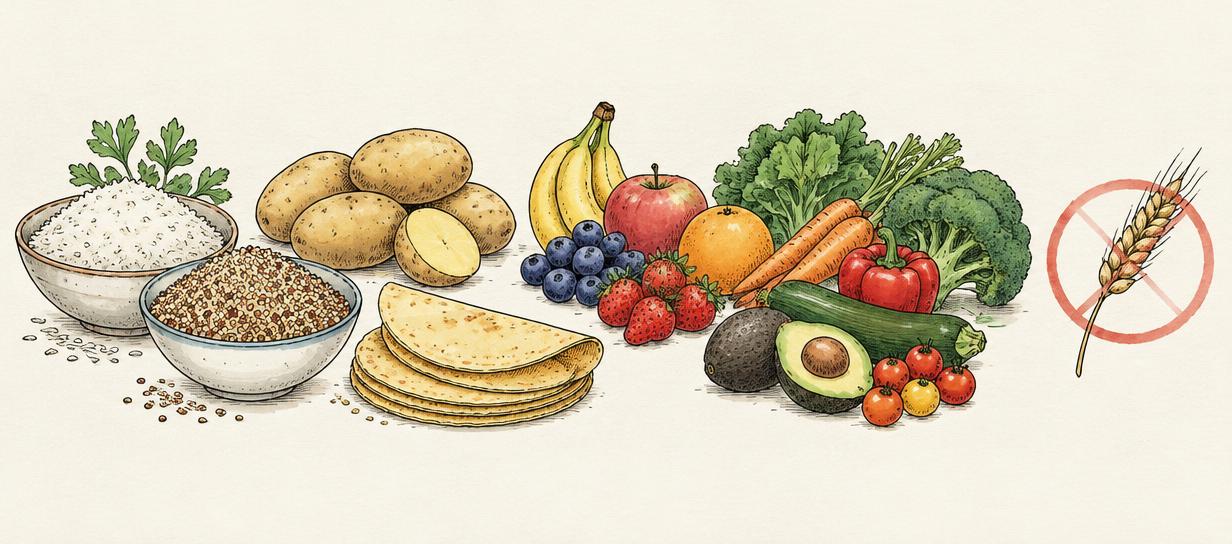
Gluten-Free Diet
Avoiding gluten, a protein found in wheat, barley, and rye. Required for people with celiac disease and often tried by people who feel unwell after eating gluten. Many gluten-free packaged foods are low in fiber.
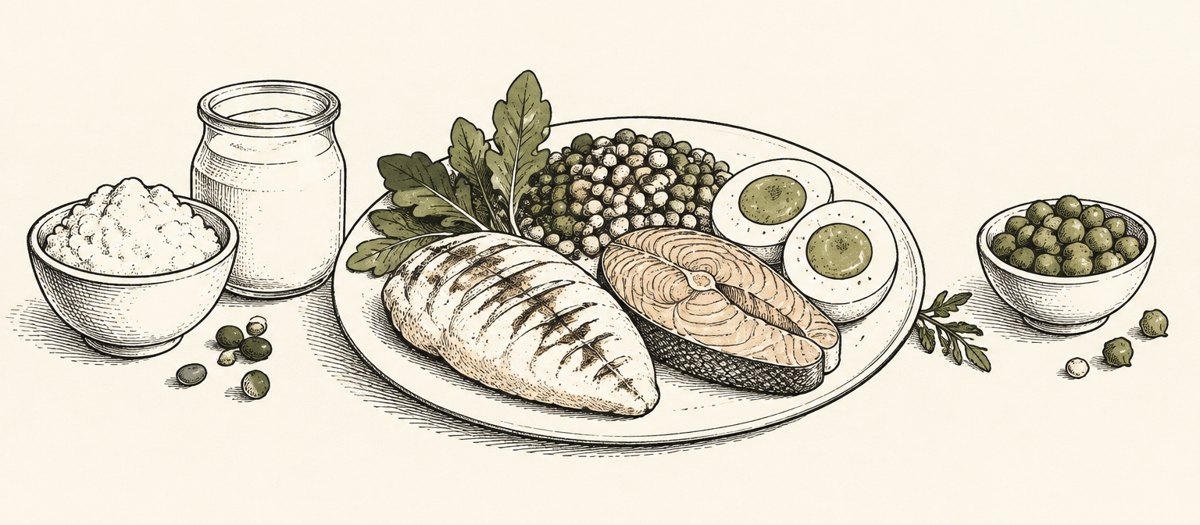
High Protein Diet
Building each meal around a solid portion of protein, such as meat, fish, eggs, dairy, or legumes. Often followed to help build and keep muscle, control hunger, and support weight goals.

Intermittent Fasting
An eating pattern that limits food to a set daily window, such as 16:8, or to certain days of the week. Commonly practiced to help simplify eating, support weight goals, and studied for its potential effects on blood sugar.

Keto Diet
A very low-carb, high-fat eating plan that shifts the body toward burning fat and making ketones for fuel. Often followed to help with weight goals and blood sugar control and studied for its potential effects on brain health.
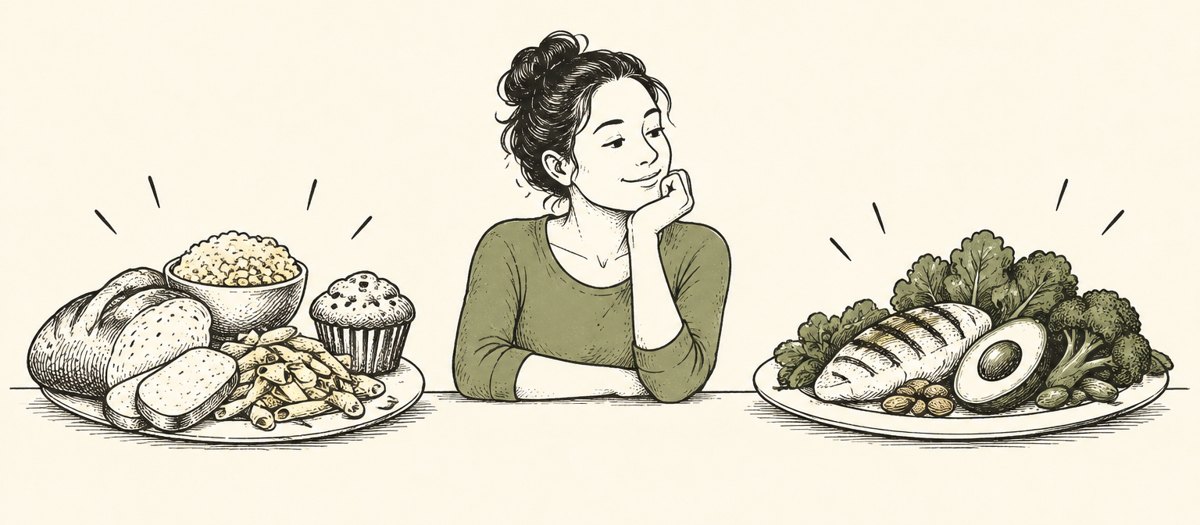
Low-Carb Diet
An eating pattern that limits sugar, bread, pasta, and other starchy foods in favor of protein, healthy fats, and vegetables. Often followed to help manage blood sugar, appetite, and weight.
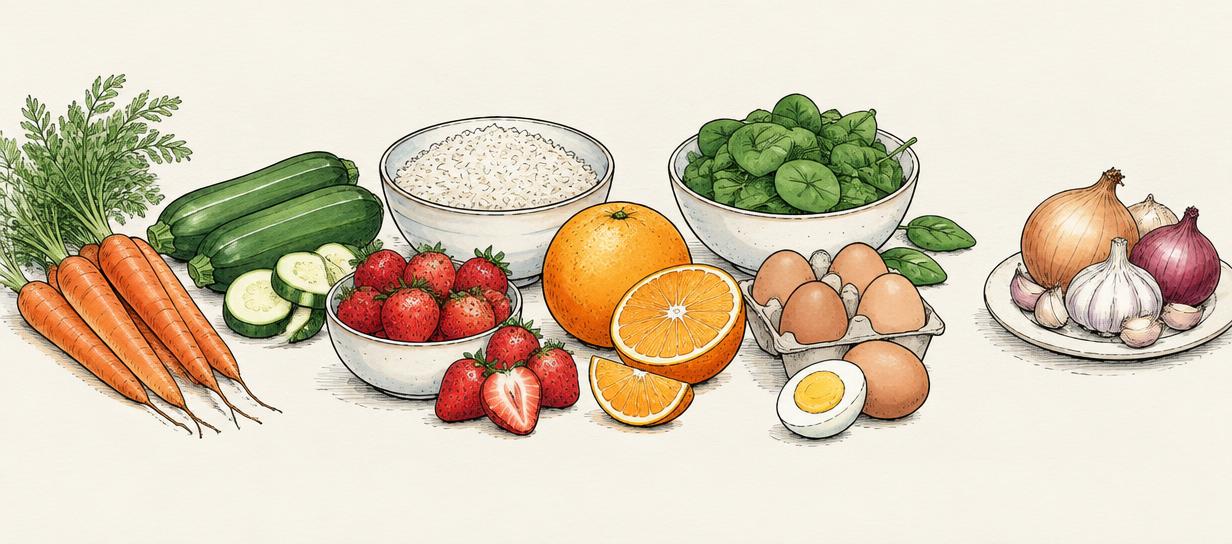
Low-FODMAP Diet
A short-term eating plan that cuts certain carbs that ferment in the gut, like those in onions, garlic, beans, wheat, and some fruits. Foods are then added back slowly to find personal triggers. Commonly used by people with IBS, ideally with a dietitian.
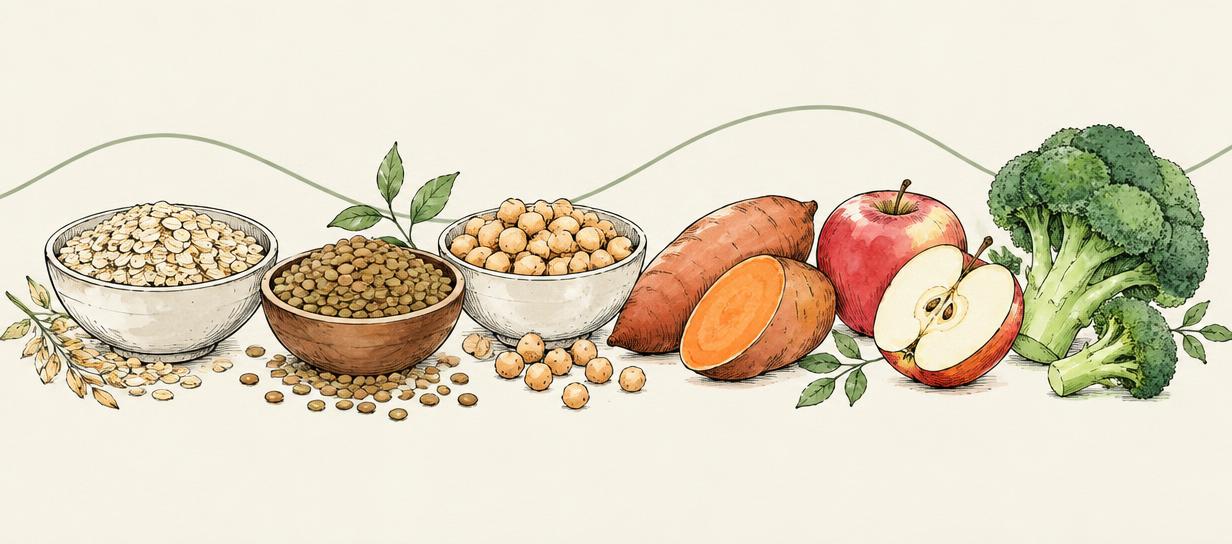
Low-Glycemic Diet
Choosing carbs that raise blood sugar slowly, like beans, oats, lentils, and most vegetables, over white bread, sugary drinks, and sweets. Often followed to help keep blood sugar and energy steady through the day.
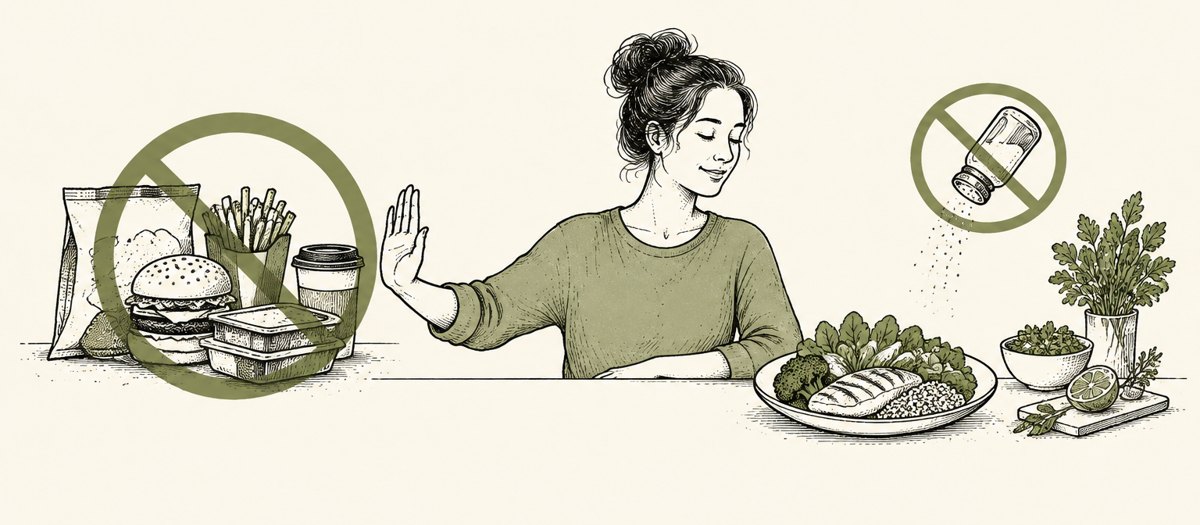
Low-Sodium Diet
Cutting back on salt by limiting processed foods, restaurant meals, and added salt. Commonly practiced to help support healthy blood pressure and heart health.

Macro Tracking
Logging how much protein, carbs, and fat you eat each day, usually with an app. Commonly used to help hit nutrition goals for muscle gain, fat loss, or performance.

Mediterranean Diet
An eating pattern inspired by countries along the Mediterranean Sea, rich in vegetables, olive oil, fish, beans, and whole grains. One of the most studied diets, commonly followed to help support heart health and healthy aging.
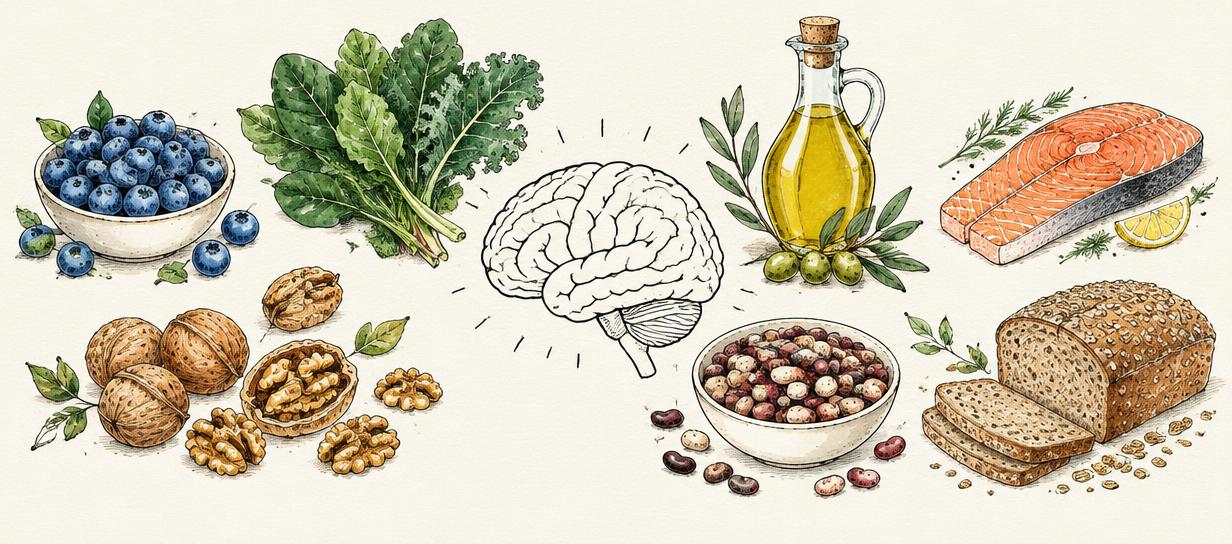
MIND Diet
A blend of the Mediterranean and DASH diets that focuses on foods studied for brain health: leafy greens, berries, nuts, beans, whole grains, fish, and olive oil. It limits butter, cheese, fried food, red meat, and sweets.

One Meal a Day (OMAD)
A form of fasting where you eat all your daily food in a single meal. Some people follow it to help simplify eating and manage calories, though it is not right for everyone.
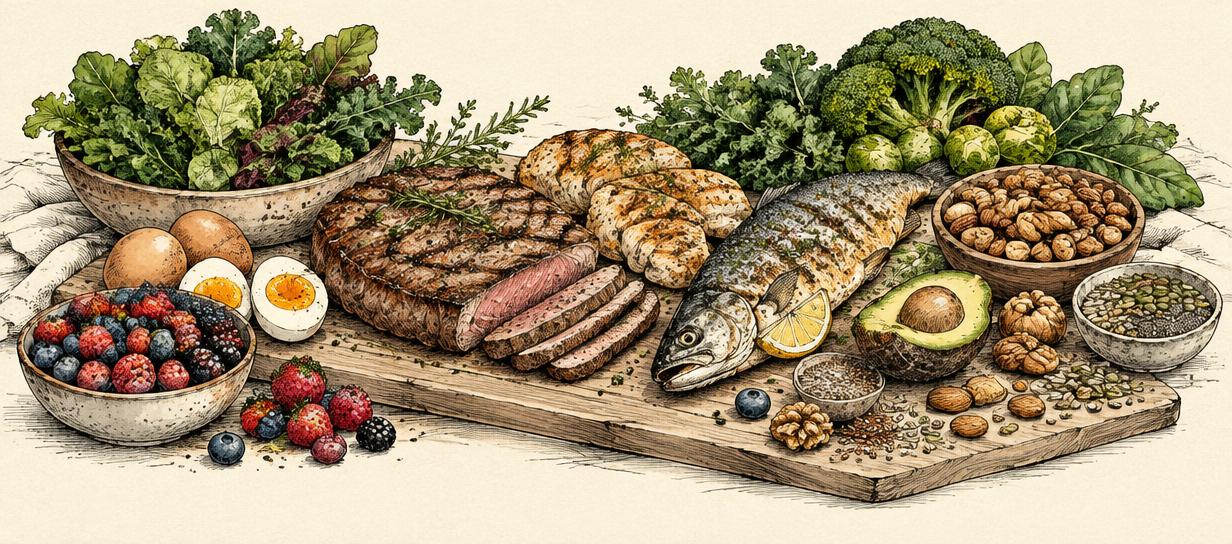
Paleo Diet
An eating pattern based on foods people could hunt or gather: meat, fish, eggs, vegetables, fruit, nuts, and seeds. It leaves out grains, beans, dairy, and processed foods. People often follow it to help with weight goals and steady energy.
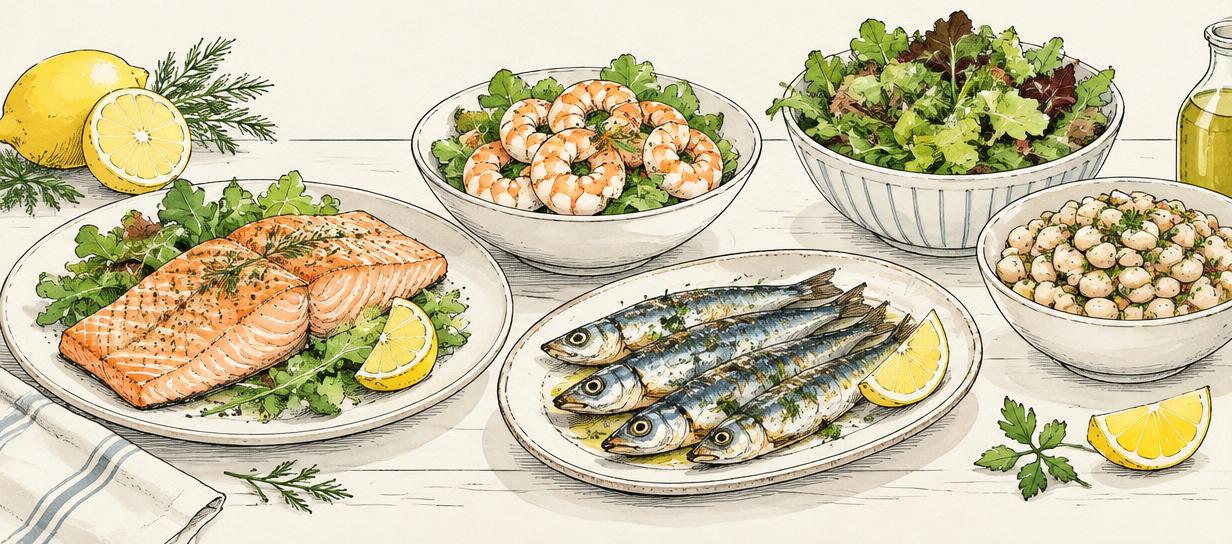
Pescatarian Diet
A mostly plant-based way of eating that adds fish and seafood but skips red meat and poultry. Fatty fish like salmon and sardines are a common source of omega-3s. Some people track mercury if they eat a lot of large fish.

Plant-Based Diet
An eating pattern centered on vegetables, fruits, beans, whole grains, nuts, and seeds, with little or no animal food. Often followed to help support heart health, digestion, and healthy weight.

Prolonged Fasting
Going without food for 24 to 72 hours or longer while drinking water and sometimes electrolytes. Studied for its effects on insulin and cell clean-up processes. It is not right for everyone, and people taking medicine often check with a doctor first.
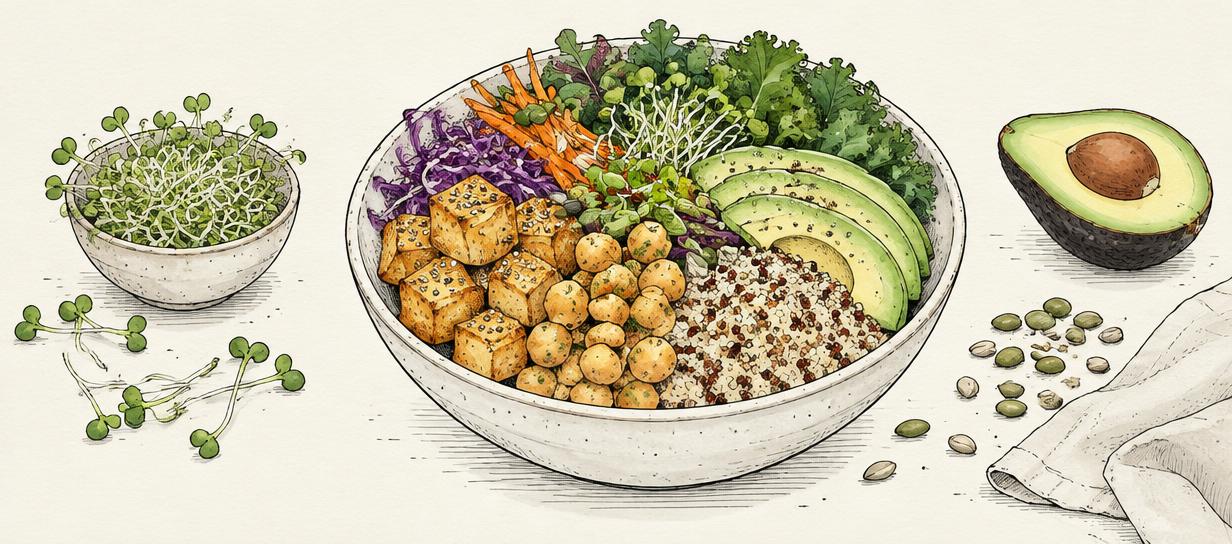
Vegan Diet
An eating pattern with only plant foods: no meat, fish, dairy, eggs, or honey. People choose it for health, animal, or planet reasons. Many track vitamin B12, iron, and omega-3 levels, since these can run low without animal foods.
Vegetarian Diet
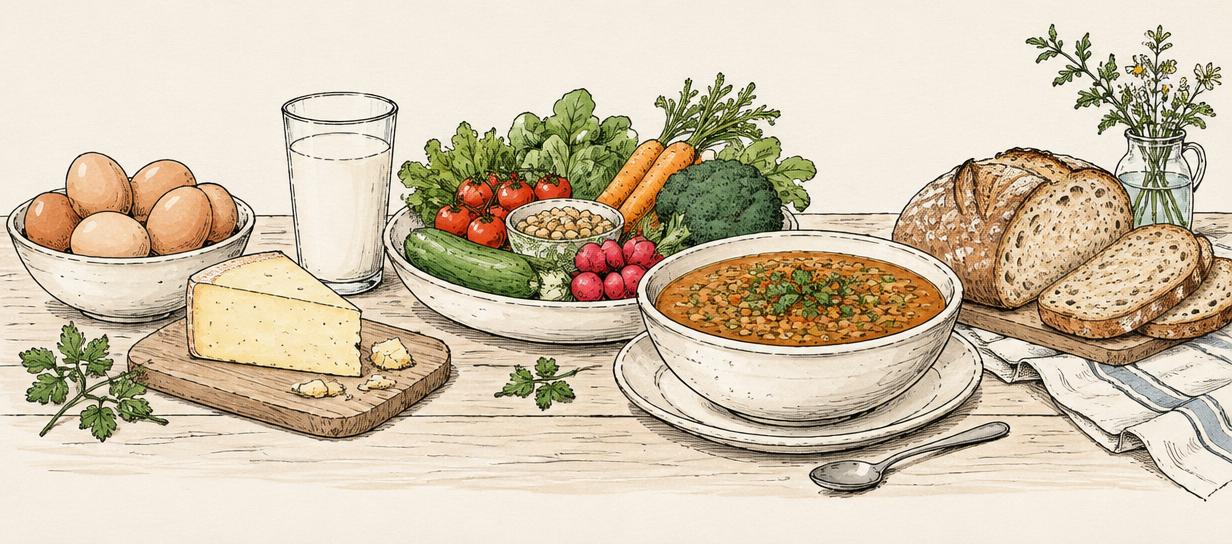
An eating pattern without meat, poultry, or fish that still includes dairy and eggs. Often followed for health or personal reasons. Many people keep an eye on iron and vitamin B12 levels over time.
Whole Foods Diet
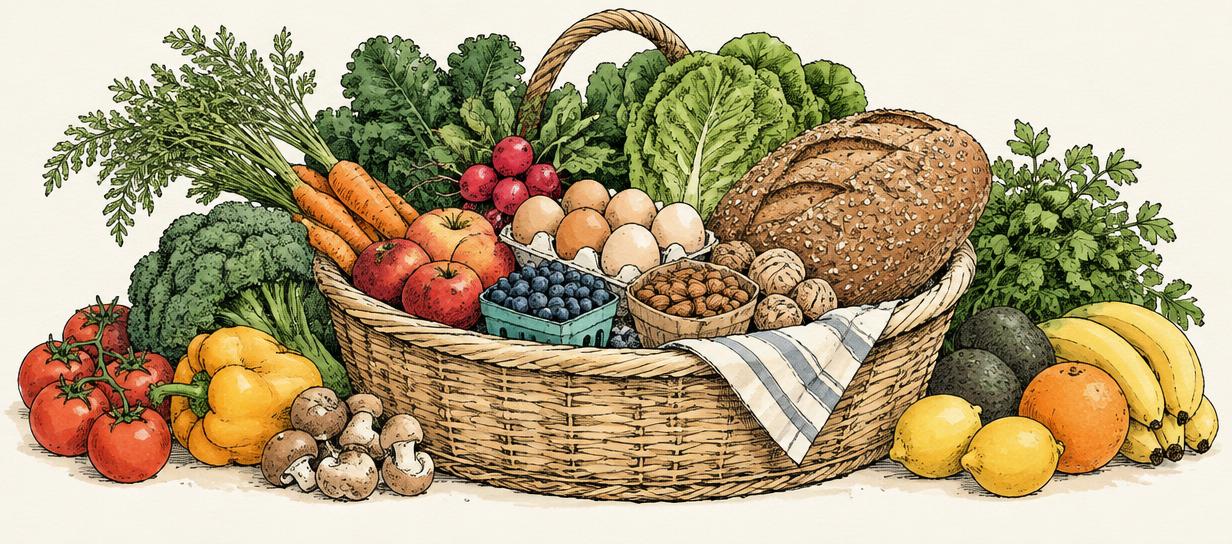
Eating mostly simple, unprocessed foods like vegetables, fruit, beans, whole grains, nuts, eggs, fish, and meat, while cutting back on ultra-processed snacks, sugary drinks, and refined flour. A flexible approach rather than a strict set of rules.