Can digital tools help me stick to pills that prevent HIV?
Digital tools improved regular pill-taking by 12% at 12 weeks and 14% at 24 weeks, compared with study comparison groups.
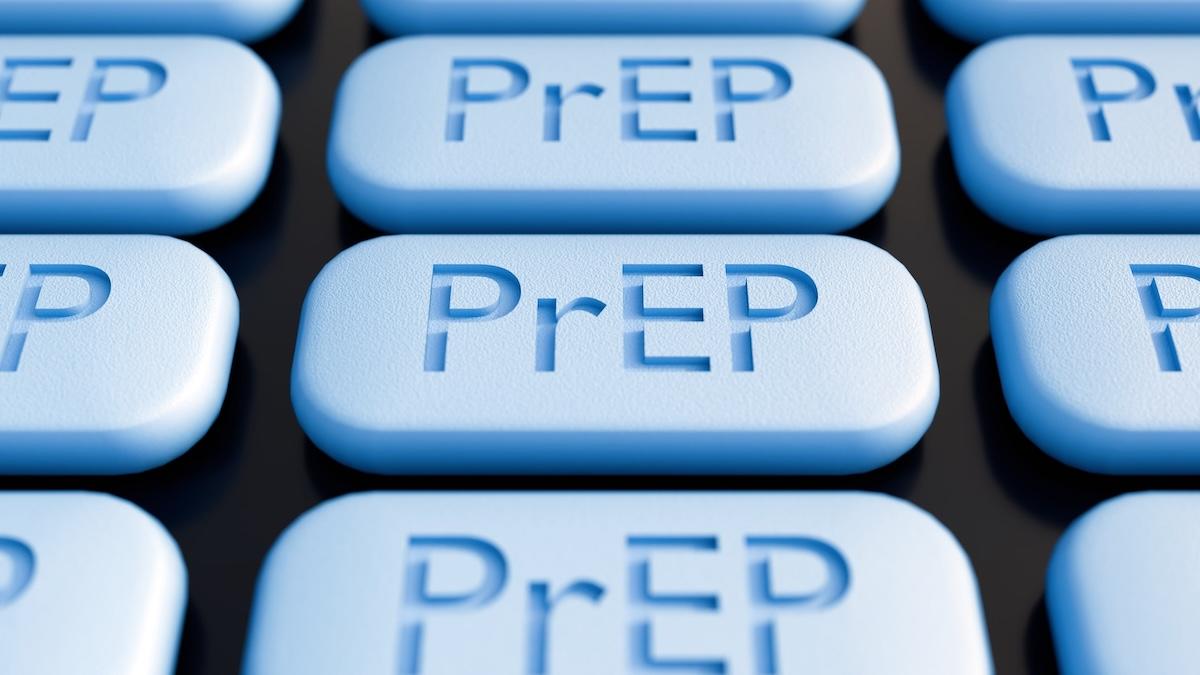
A review combined 18 studies involving 3,593 people. They tested digital support for oral PrEP, pills taken to help prevent HIV infection. People were assigned by chance to different study groups. The tools included text messages, mobile apps, smart pillboxes, and websites. These findings concern pills, not long-acting injections.
The gains describe how much more likely people were to meet pill-taking goals. They do not mean people took 12 or 14 extra pills. They also do not mean protection against HIV rose by those amounts. Benefits beyond 24 weeks remain uncertain. There was not enough clear evidence to show lasting improvement.
The review also looked at whether people used PrEP at all. At 12 weeks, digital tools did not clearly increase use. At 24 weeks, use was 69% more likely than in comparison groups. That is a separate finding from taking pills regularly.
Programs combining several kinds of support seemed more helpful than single-tool programs. But that pattern came from comparing different studies. It does not prove that adding more tools works better.
For BioSocial members, this makes routine tracking a useful point of comparison. A personal log could show doses taken, missed doses, and reminders used. Comparing early weeks with later months could reveal whether a tool stays helpful. Community notes can add context to those numbers without assuming everyone's routine works alike.
What have your own dose logs or experiences shown about digital reminders over time?