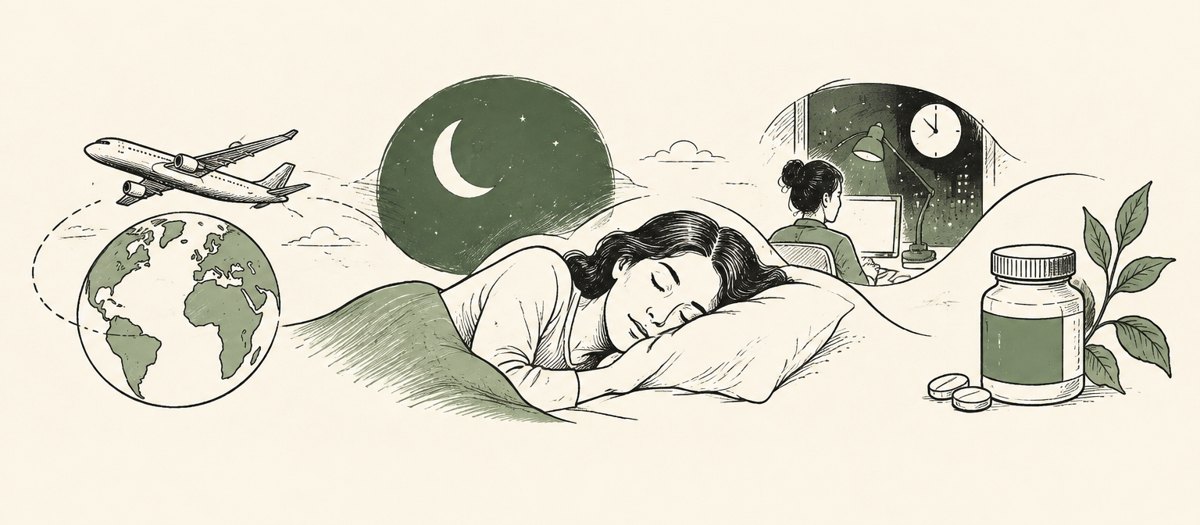
Can Melatonin help your body burn more energy?
Melatonin has not reliably increased energy burning in humans, despite stronger effects in mice and rats.
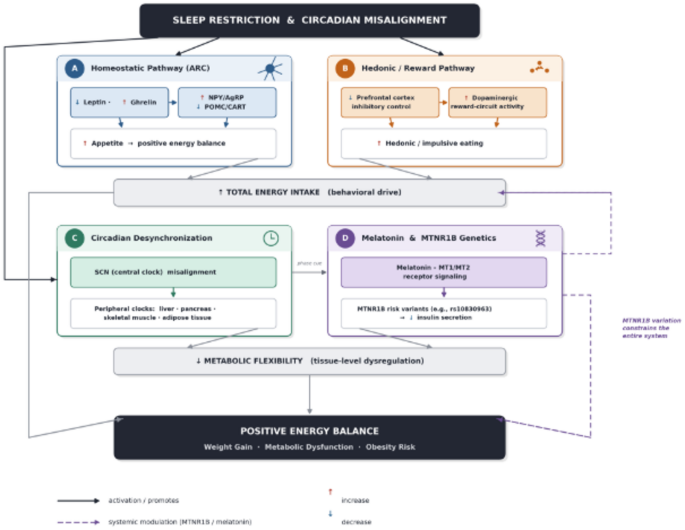
The review examines Melatonin, sleep loss, and how the body uses energy. It draws on animal and human studies, rather than one new experiment. A key focus is brown fat, which burns energy to make heat. The main takeaway: animal results do not reliably carry over to people.
One reason is the animals’ surroundings. Lab mice usually live at about 20–22°C. Their bodies need less effort to stay warm at about 28–30°C. That gap creates mild, ongoing cold stress. It can make their heat-producing fat more active. This may help explain why animal studies show stronger effects.
Daily rhythms differ, too. Mice and rats are mostly active at night. Their natural Melatonin rise overlaps with their active hours. In humans, that rise usually overlaps with rest and sleep instead.
Human findings remain mixed. The review points to differences in dose, product type, and study length. Starting health and genes may also matter. Timing appears important: taking it out of step with the body clock may disrupt daily rhythms. The excerpt gives no reliable estimate of extra energy burned in humans.
For BioSocial members, this makes context worth recording alongside results. A log could pair dose and timing with Sleep Duration and Weight trends. Those notes can help members compare experiences without treating a change as proof. Better sleep and greater energy burning are separate outcomes, not interchangeable signs of success.
What patterns have you noticed in your tracked numbers alongside your Melatonin dose and timing?
Comments
No comments yet.