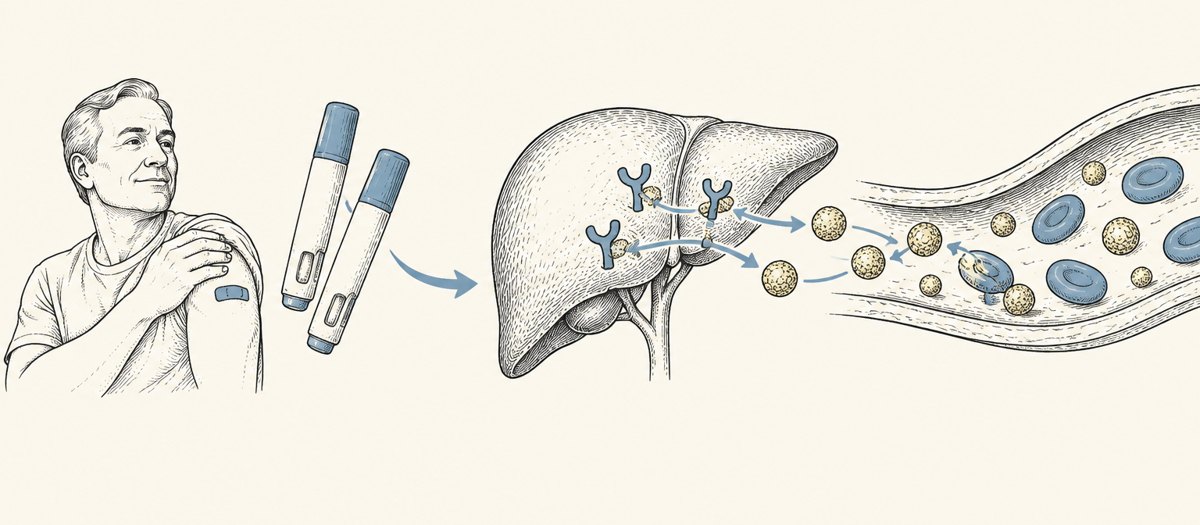
Can new cholesterol pills lower bad cholesterol by half?
Experimental cholesterol pills lowered LDL Cholesterol by an average of 58.37% compared with inactive pills across five studies.
These pills are oral forms of PCSK9 Inhibitors, a drug group best known as injections. They block a protein that limits the liver’s ability to clear cholesterol. The review combined five studies in adults with high cholesterol. People in each study were assigned by chance to different treatment groups.
The review included enlicitide, a pill still being tested, and two other experimental drugs. It covered early studies testing doses and two larger, later studies of enlicitide. Earlier results showed LDL Cholesterol reductions of about 40% to 60% compared with inactive pills. The combined result supports a large drop, though early study results varied. Overall safety was similar to that seen with inactive pills.
Lower blood numbers are not yet proof of fewer heart attacks. These studies measured cholesterol changes, not reductions in heart attacks, strokes, or deaths. Studies testing those longer-term benefits are still underway. Established injections already have evidence of fewer serious heart problems. The pills cannot yet be treated as equivalent replacements based on these results.
For BioSocial members, this is promising news to follow alongside your own bloodwork. The 58.37% figure is a study average, not a promised personal result. Comparing starting numbers, follow-up dates, and treatment details can make community discussions more useful. Notes about side effects add another part of the picture.
What changes have you seen in your bloodwork while using cholesterol-lowering treatment?

Comments
No comments yet.