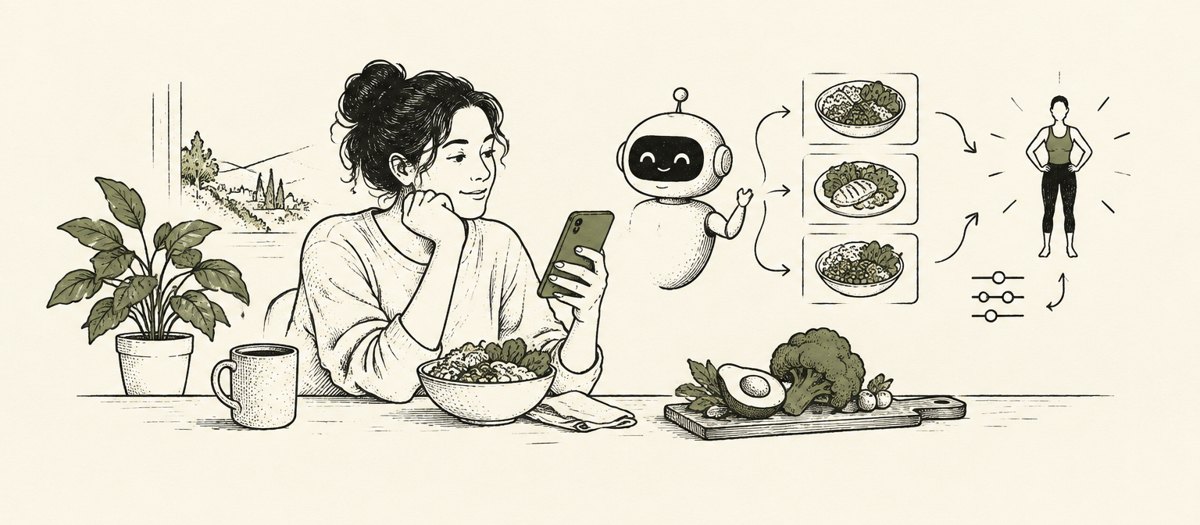
Can an AI nutrition coach predict how meals affect blood sugar?
Early computer models can estimate blood sugar responses to meals, but the report gives no accuracy results.
The article describes DiNa, an AI coach being developed for people with diabetes. It points toward a future for AI Nutrition Coaching built around each person’s own readings. Researchers Maso Talou and Finbar Argus co-lead a related project at Auckland Bioengineering Institute.
That project uses “digital twins,” or computer models of how someone’s body responds. Early versions can model blood sugar responses using a meal’s nutrient content. The longer-term goal is to compare meals before eating them. Users might also get recipes based on their readings and available ingredients. These are future goals, not proven benefits.
DiNa brings together meal records, medication logs, phone activity data, and readings from wearable blood sugar sensors. Users can photograph meals instead of typing every detail. The system identifies foods and estimates their nutrition content. Voice commands let users add or correct missing information. The aim is to make food records easier to keep.
The supplied report gives no study size, prediction accuracy, or measured blood sugar improvements. It describes what the tools can do and what researchers hope comes next. It also stresses that the same meal can affect people differently.
For BioSocial members, that makes personal records a useful starting point. Comparing meal photos with your own readings could help ground community discussions. Notes about missed foods or corrected estimates matter, too. An app’s forecast and your actual response are different things worth comparing.
What have you noticed when comparing an app’s meal estimates with your own blood sugar readings?

Comments
No comments yet.