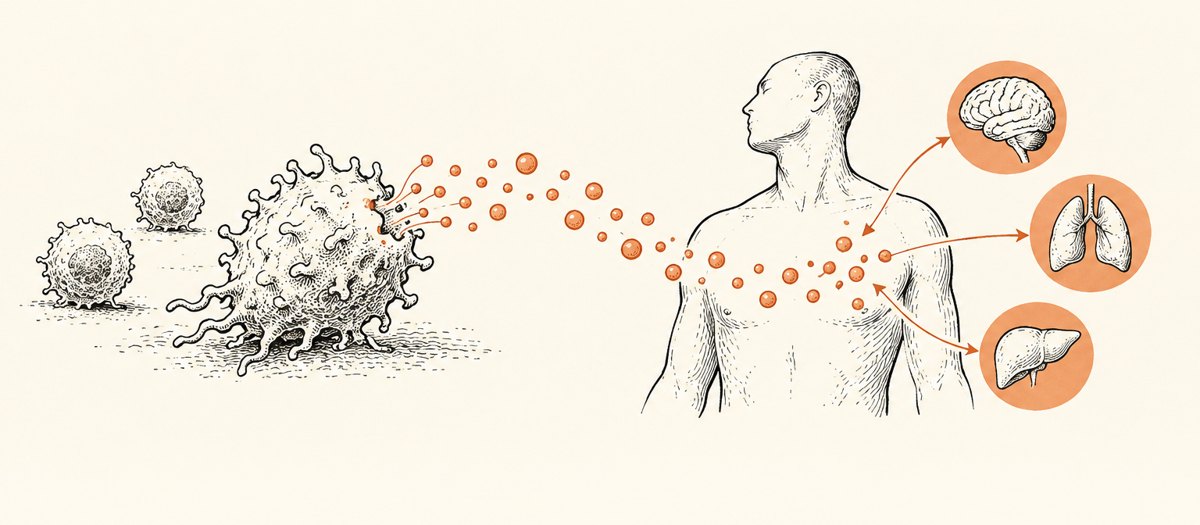
Is inflammation linked to heart nerve damage in type 2 diabetes?
Yes—in 249 people with type 2 diabetes, higher inflammation markers were linked to worse damage to nerves that control the heart.
One marker was IL-6 (Interleukin-6), a protein involved in immune responses and inflammation. Researchers measured 10 immune signaling proteins in blood samples. They selected these 249 people from a larger group of 899.
Heart response tests sorted people into three groups. There were 83 with no heart nerve damage, 69 with early damage, and 97 with more established damage. One abnormal test counted as early damage. Two or three abnormal tests counted as more established damage.
People with more established damage had slightly higher IL-6 (Interleukin-6) blood levels than those without damage. Two other inflammation-related proteins were also higher. Higher levels of several proteins were linked to poorer heart nerve function. This included results for Heart Rate Variability (HRV), which measures changes in timing between heartbeats. The source did not report exact blood levels or percentage differences.
This shows a link, not a cause. It does not show that lowering these proteins prevents nerve damage. It also does not establish a blood level that diagnoses this problem.
For BioSocial members, the finding adds context rather than a new target. This immune protein can change with illness and exercise. A single result cannot identify the cause, and there is no well-established general wellness target. When comparing your numbers over time, notes about recent illness and exercise can add useful context. Sharing that context helps the community compare experiences without treating matching numbers as matching causes.
What patterns have you noticed in your blood results, and what was happening around those tests?
Comments
No comments yet.