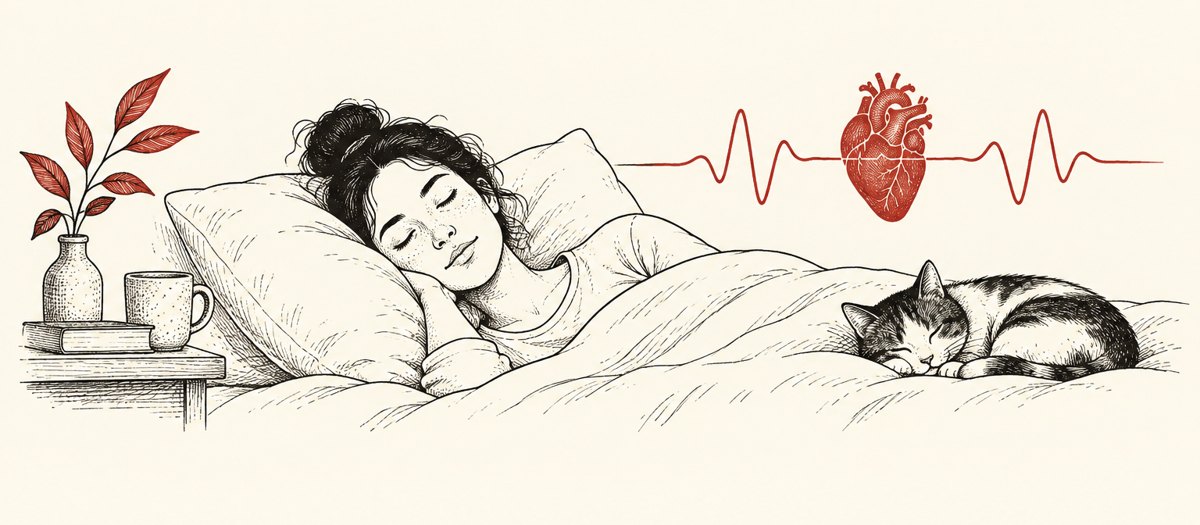
Resting heart rate is how often your heart beats when you are at rest. Fitness, sleep, medicines, illness, and stress can all influence it; an unusually low or high rate is not automatically a sign of better or worse fitness.
Yes—a faster pulse at rest was linked to more deaths from heart and blood vessel disease over 22 years.
The KORA study followed 1,390 adults in the Augsburg region of Germany. Researchers measured [Resting Heart Rate](/biomarkers/cardiovas
Yes—100 beats per minute or more at rest was linked to about 3.6 times the risk of death during follow-up.
The study looked at [Resting Heart Rate](/biomarkers/cardiovascular/resting-heart-rate) in 7,326 adults without heart or blood vesse