Can Ferritin help spot low iron affecting blood cell size?
Yes—in 907 blood donors, Ferritin and another iron-related blood test gave similar clues to low iron affecting blood cell production.
The study examined screening blood tests from apparently healthy adult donors. Researchers compared Ferritin, a measure of stored iron, with hepcidin. Hepcidin is a hormone that controls how the body handles iron. They checked both against five signs that blood cell production lacked iron.
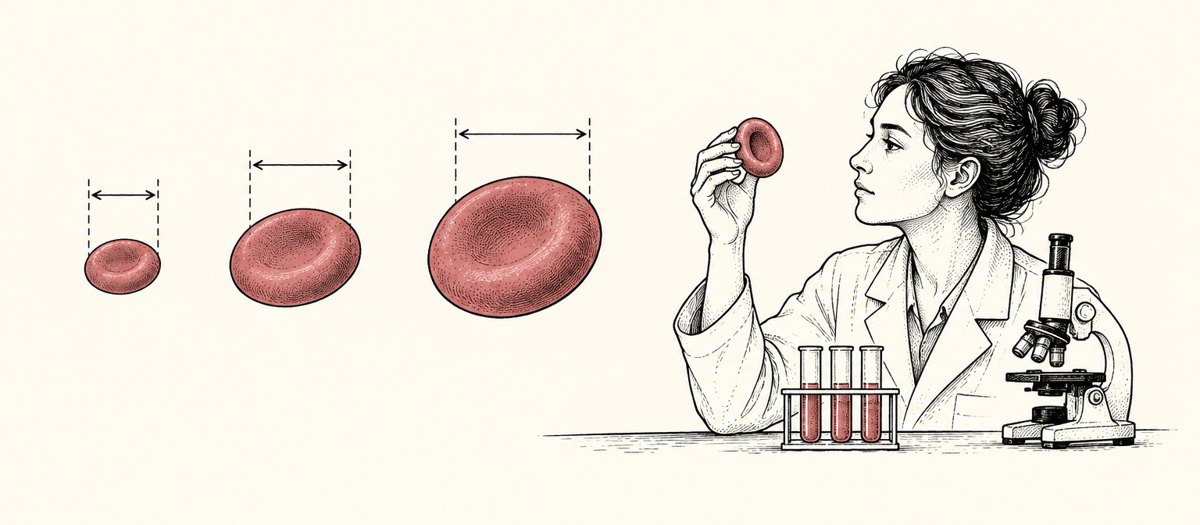
One sign was MCV (Mean Corpuscular Volume), which measures average red blood cell size. Lower Ferritin and hepcidin levels were linked to smaller cells. Hemoglobin, the protein that carries oxygen in blood, was also lower. Other blood tests pointed toward a shortage of iron for making cells.
The estimated Ferritin cutoffs were 25.4 micrograms per liter for women aged 18–49. They were 30.7 for women aged 50–75 and 32.5 for men aged 18–75. The matching hepcidin cutoffs were 13.9, 24.8, and 28.8 micrograms per liter. These were levels linked to the start of iron-limited blood cell production. Both tests gave similar clues, especially in women. The differences between women and men were smaller after age 50.
For this community, the takeaway is about reading numbers together. Average cell size alone cannot tell you why it is low. Pairing it with iron stores and other blood counts adds context. These estimates came from blood donors, not a test of treatment. They are not universal targets for everyone.
Members comparing bloodwork can share results from the same blood draw. Age and donation history can also give those conversations useful context.
What patterns have you noticed between your iron stores and average blood cell size?
Comments
No comments yet.